
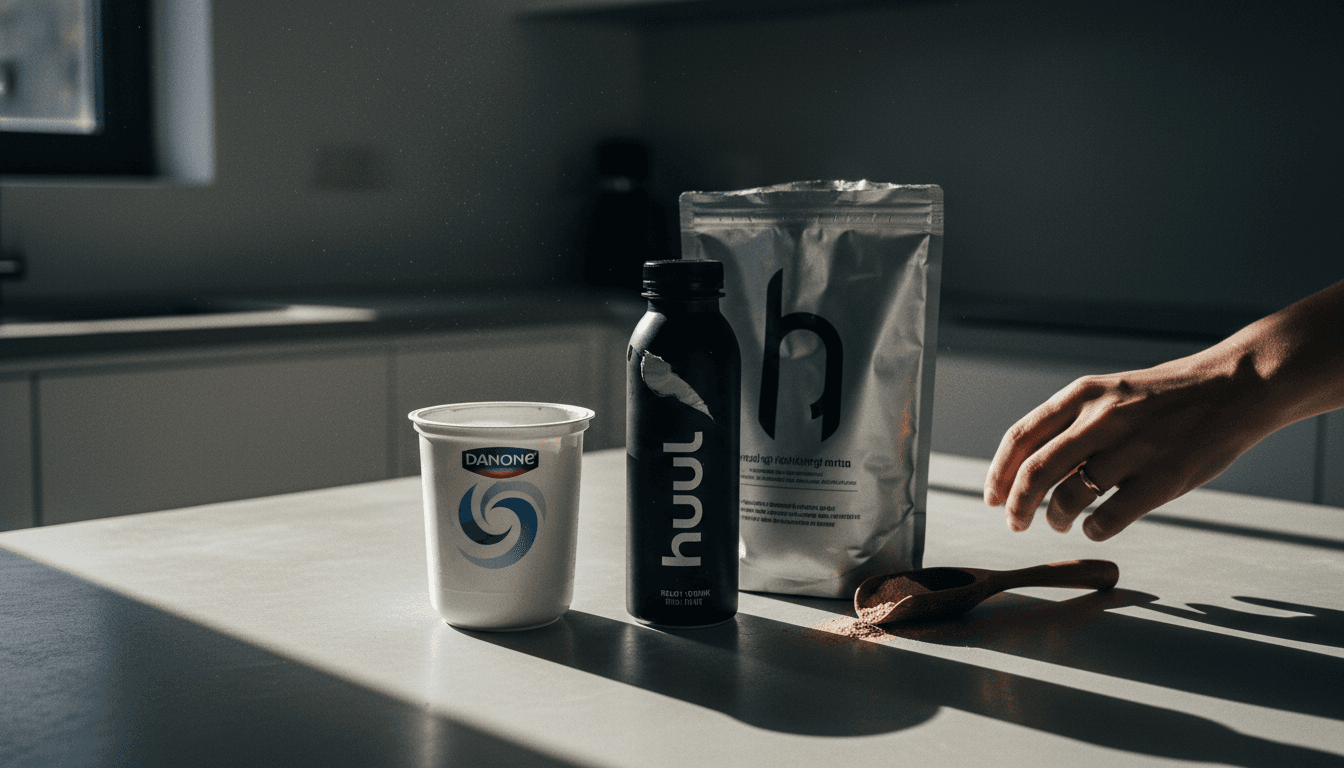
A transformative Huel acquisition by Danone, valued at a staggering €1 billion, marks a pivotal moment in the global health and wellness industry. Announced on Wednesday, March 25, 2026, this monumental deal sees the French multinational food giant absorb Huel, the innovative protein drinks maker, signaling a powerful convergence of established market leadership and disruptive, health-focused innovation.
This landmark transaction underscores the escalating appetite of major corporations for agile, direct-to-consumer brands that have successfully captured the modern consumer’s demand for convenient, nutritious, and sustainable food alternatives. For Huel, this acquisition is not merely a financial triumph but a validation of its vision and rapid ascent from a niche player to a significant force in the functional food space.
The Huel Acquisition Strategy
The Huel acquisition by Danone is a clear strategic move to bolster Danone’s portfolio in the rapidly expanding protein and plant-based nutrition segments. Danone, a global leader in dairy and plant-based products, waters, and specialized nutrition, gains immediate access to Huel’s loyal customer base, cutting-edge product development, and robust e-commerce platform. This integration is expected to accelerate Danone’s growth in a market increasingly dominated by health-conscious consumers seeking high-quality, convenient nutritional solutions.
Huel, known for its nutritionally complete powder and ready-to-drink meals, has carved out a unique position by appealing to a demographic that values efficiency, health, and ethical consumption. Their success has been built on a foundation of scientific formulation, transparent ingredient sourcing, and a strong community-driven brand identity. The synergy between Danone’s extensive distribution networks and Huel’s innovative product line promises to unlock new market opportunities globally.
“This acquisition by Danone is a testament to Huel’s disruptive innovation and its ability to resonate with the evolving consumer landscape. It’s a blueprint for how agile, digitally native brands can achieve significant enterprise value in a competitive market.”- The Financial Standard Analyst
Company Backgrounds and Growth Trajectories
Danone, with its rich history spanning over a century, has consistently adapted to changing consumer trends, from its early days in fresh dairy products to its current emphasis on health-focused nutrition. Its strategic acquisitions, such as WhiteWave Foods in 2017, have demonstrated a clear commitment to plant-based and sustainable nutrition, making the Huel acquisition a natural progression.
Huel, on the other hand, represents the dynamism of the modern startup ecosystem. While the exact founding date isn’t detailed, its rapid growth to a €1 billion valuation suggests a swift and effective market penetration strategy. From its inception, Huel differentiated itself by offering a complete nutritional solution, challenging traditional meal concepts with its convenient, high-protein, and plant-based products. This approach resonated strongly with busy professionals, fitness enthusiasts, and individuals seeking healthier dietary options.
Market Impact and Future Outlook
The implications of this Huel acquisition ripple across the entire food and beverage industry. Competitors in the protein and functional food sectors will undoubtedly be watching closely, as Danone’s move signals a heightened focus on this lucrative niche. It could trigger further consolidation, with larger players seeking to acquire or develop similar innovative brands to stay competitive. For investors, this deal reinforces the value of direct-to-consumer models and brands that prioritize health, sustainability, and digital engagement.
The integration of Huel into Danone’s global operations is expected to significantly expand Huel’s reach beyond its current markets. Danone’s formidable supply chain, R&D capabilities, and marketing prowess will likely propel Huel products into new geographies and distribution channels, from supermarkets to convenience stores, making complete nutrition more accessible than ever before. This could also lead to an acceleration of Huel’s product innovation pipeline, leveraging Danone’s scientific expertise.
Looking ahead, the post-acquisition strategy will likely focus on scaling Huel’s production, optimizing its supply chain, and integrating its digital-first approach with Danone’s broader e-commerce initiatives. Analysts predict a substantial increase in Huel’s market share, driven by Danone’s investment and strategic guidance. This successful Huel acquisition is poised to set new benchmarks for brand integration and market expansion in the functional food sector. For more insights into thriving enterprises, explore our more success stories.
The €1 billion Huel acquisition by Danone is more than just a transaction; it’s a powerful statement about the future of food. It underscores the increasing importance of health, convenience, and sustainability in consumer choices, and demonstrates how established giants are adapting by embracing agile, innovative brands. This strategic alignment is set to redefine categories and drive substantial growth in the years to come.


