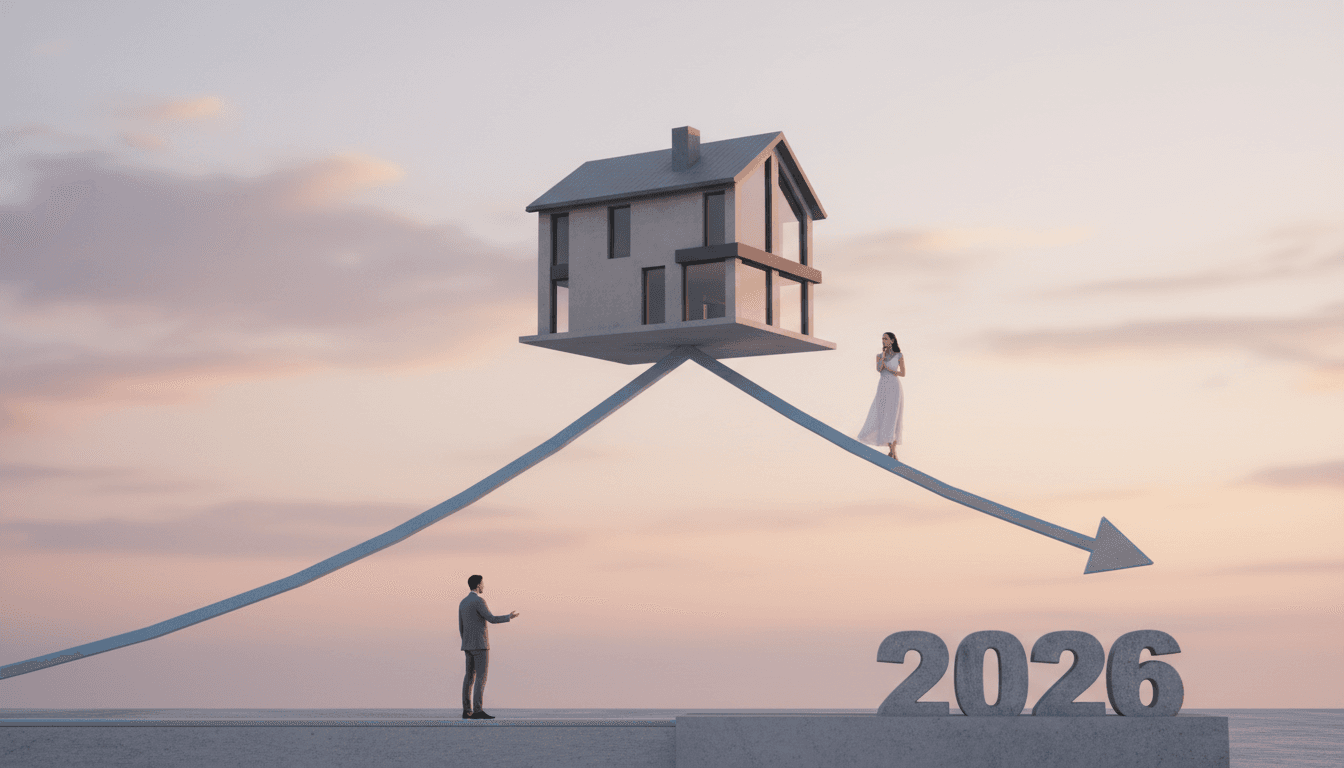
Housing market predictions 2026, as outlined by Forbes on Friday, May 8, 2026, indicate a period of potential stabilization rather than a widespread drop in home prices. While the anticipation of a significant market correction has been a recurring theme among prospective buyers and investors, the latest analysis suggests a more nuanced outlook for the coming year.
The Story: A Nuanced Outlook for 2026
The report from Forbes, published on May 8, 2026, delves into the anticipated trajectory of the housing market, specifically addressing the persistent question of when, or if, home prices will experience a notable decline. The central theme emerging from the analysis is a shift away from expectations of a dramatic price drop towards a scenario of market recalibration. This perspective suggests that while the rapid appreciation seen in recent years may cool, a widespread collapse in values is not the primary forecast.
Key details within the Forbes piece imply that various factors are contributing to this outlook. These likely include a rebalancing of supply and demand dynamics, potentially influenced by evolving interest rates, inflation trends, and overall economic stability. The report appears to be a critical update for anyone tracking the real estate sector, offering a tempered view that contrasts with more alarmist predictions that have circulated previously.
Impact Analysis
This assessment from Forbes carries significant weight for the broader real estate landscape. For homeowners, it may alleviate concerns about a sudden erosion of equity, instead pointing towards a more gradual adjustment. Prospective buyers, who have been waiting on the sidelines for prices to significantly drop, might need to reassess their strategies. The absence of a projected sharp decline could mean that the window for ‘bargain’ purchases, as many have envisioned, may not materialize in 2026.
Developers and builders will also be keenly observing these housing market predictions 2026. A stable market, even without significant price drops, provides a more predictable environment for planning new projects, albeit with potentially tighter margins if demand growth moderates. Lenders and financial institutions will also factor this outlook into their risk assessments and mortgage product offerings. The implications extend to the rental market as well; if homeownership remains challenging due to sustained prices, rental demand could continue to be robust, maintaining upward pressure on rents.
“The prevailing sentiment for 2026 appears to be one of market recalibration, where rapid appreciation gives way to stability, rather than a precipitous fall. This shift in outlook is crucial for all stakeholders in the housing ecosystem.”
Context & Background
The discussion around housing market predictions 2026 is set against a backdrop of several years of unprecedented growth in home values, fueled by low interest rates, limited inventory, and robust demand. The post-pandemic housing boom saw bidding wars become common and prices soar in many regions. However, as central banks began to raise interest rates to combat inflation, the market started to show signs of cooling. This led to widespread speculation about an impending crash, echoing the sentiment prior to the 2008 financial crisis.
Industry trends over the past year have shown a mixed bag, with some areas experiencing minor dips while others continued to see modest gains. The Forbes report likely synthesizes these varied regional performances and broader macroeconomic indicators to arrive at its 2026 forecast. Previous analyses from various firms often presented a spectrum of outcomes, from significant corrections to continued, albeit slower, appreciation. This latest report provides a specific timestamp and a clear, albeit measured, direction for the coming year. For more detailed insights into market dynamics, readers can explore our related real estate articles.
What’s Next
Looking ahead, the Forbes housing market predictions 2026 suggest that market participants should prepare for a period of normalization. This could involve a more balanced market where sellers may need to adjust their expectations slightly, and buyers might find more inventory, albeit not necessarily at significantly lower prices. Future implications will hinge on several factors, including the trajectory of inflation, further actions by central banks regarding interest rates, and the overall health of the global economy. Any significant geopolitical events or shifts in consumer confidence could also sway the market from this projected path.
Upcoming decisions from monetary policy makers will be particularly critical. Should interest rates stabilize or even see a modest decrease, it could provide some renewed impetus to buyer demand without necessarily triggering another boom. Conversely, sustained high rates could further moderate market activity. The report’s emphasis on stabilization rather than a drop implies that the market is finding a new equilibrium, a process that will continue to unfold throughout 2026.
Key Takeaway
The Forbes report on May 8, 2026, underscores a pivotal shift in the narrative surrounding the housing market. Rather than bracing for a sharp decline, the industry and consumers are now advised to anticipate a period of greater stability. This means that while the rapid, unsustainable growth of previous years is likely behind us, a significant and widespread collapse in home values is not the expected outcome for 2026. Understanding this nuanced forecast is crucial for making informed decisions, whether buying, selling, investing, or simply monitoring the health of the real estate sector. The market is not crashing, but it is certainly evolving.