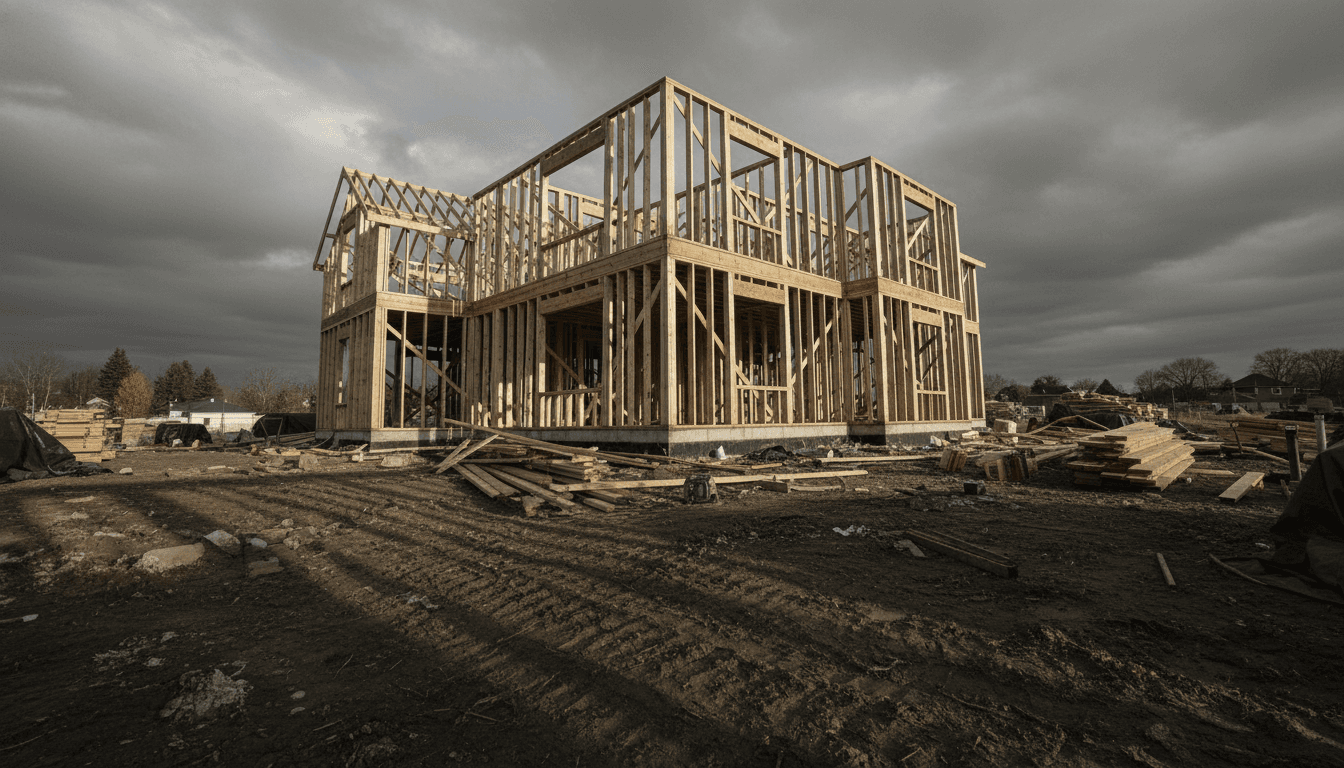
Homebuilder stocks are currently under increased scrutiny, as the broader housing market navigates a complex landscape of evolving economic indicators and shifting consumer demand. The latest insights from Investor’s Business Daily, published Wednesday, April 22, 2026, highlight the ongoing need for investors and market watchers to closely monitor the performance of key homebuilders, signaling a period of significant re-evaluation within the real estate sector.
The report from Investor’s Business Daily emphasizes that the current environment necessitates a nuanced understanding of the factors influencing homebuilder stocks. While specific company names or detailed financial figures were not provided in the source, the overarching theme points to a dynamic market where the success of homebuilders is increasingly tied to their adaptability and strategic positioning. This comes at a time when affordability challenges, interest rate fluctuations, and supply chain dynamics continue to shape the residential construction industry. Analysts are keenly observing how these companies are responding to these pressures, particularly concerning their inventory management, pricing strategies, and ability to meet demand for various housing types.
Impact Analysis
The heightened focus on homebuilder stocks underscores a pivotal moment for the broader real estate landscape. The performance of these companies serves as a bellwether for the health of the housing market, reflecting consumer confidence, lending conditions, and the overall economic outlook. A robust homebuilding sector typically indicates strong demand, accessible financing, and a growing economy. Conversely, any sustained downturn in homebuilder performance could signal underlying weaknesses that could ripple through related industries, from building materials to mortgage lending. The ongoing analysis of homebuilder stocks is therefore crucial for assessing potential shifts in housing supply, price trends, and the pace of new construction.
“The resilience of homebuilder stocks in the face of economic headwinds will be a defining characteristic of the housing market’s trajectory over the next year.”
The implications extend beyond just equity markets. Local economies heavily reliant on new residential construction could experience significant impacts, affecting employment, property tax revenues, and the growth of supporting businesses. For prospective homebuyers, the trends in homebuilder activity directly influence the availability of new homes and, consequently, the competitive landscape for existing properties. Related real estate articles often explore the interplay between builder confidence and consumer sentiment, revealing a tight correlation that dictates market momentum.
Context & Background: A Shifting Foundation for Homebuilder Stocks
Historically, the housing market has experienced cycles of boom and bust, often influenced by interest rates, demographic shifts, and economic recessions. The period leading up to 2026 has seen its own set of unique challenges and opportunities. Post-pandemic demand surges, coupled with supply chain disruptions, initially fueled rapid price appreciation and high builder confidence. However, subsequent interest rate hikes designed to combat inflation began to cool demand, introducing uncertainty for homebuilder stocks. This has led to a more cautious approach from many builders, focusing on managing existing inventory and adjusting production schedules to align with current market conditions. The current scrutiny reflects a maturation of these post-pandemic trends, where easy gains are harder to come by, and strategic execution becomes paramount.
What’s Next for the Housing Market?
Looking ahead, the trajectory of homebuilder stocks will largely depend on several key factors. Interest rate policies from central banks will continue to be a dominant influence, determining the affordability of mortgages and, by extension, buyer demand. Furthermore, the pace of inflation and broader economic growth will dictate consumer confidence and willingness to invest in large assets like homes. Legislative and regulatory changes, particularly those impacting zoning, permitting, and environmental standards, could also significantly affect construction costs and timelines for homebuilders. Investors will be closely watching quarterly earnings reports from major homebuilders for insights into their order backlogs, cancellation rates, and profit margins, which will provide a clearer picture of the industry’s health and future outlook. The continued evolution of remote work trends and demographic shifts towards certain regions will also play a role in shaping demand for new housing.
Key Takeaway: The Imperative of Vigilance in Housing Investment
The Investor’s Business Daily report on Wednesday, April 22, 2026, serves as a critical reminder of the dynamic nature of the real estate market, particularly concerning homebuilder stocks. It underscores the imperative for investors, policymakers, and consumers alike to remain vigilant and adaptable to changing market conditions. The performance of homebuilders is not merely an indicator of corporate health but a fundamental barometer for the broader economic environment and the accessibility of housing for millions. As the industry navigates a complex blend of macroeconomic pressures and evolving consumer preferences, strategic insight and careful analysis will be key to understanding the future direction of the housing market and its impact on the wider economy.