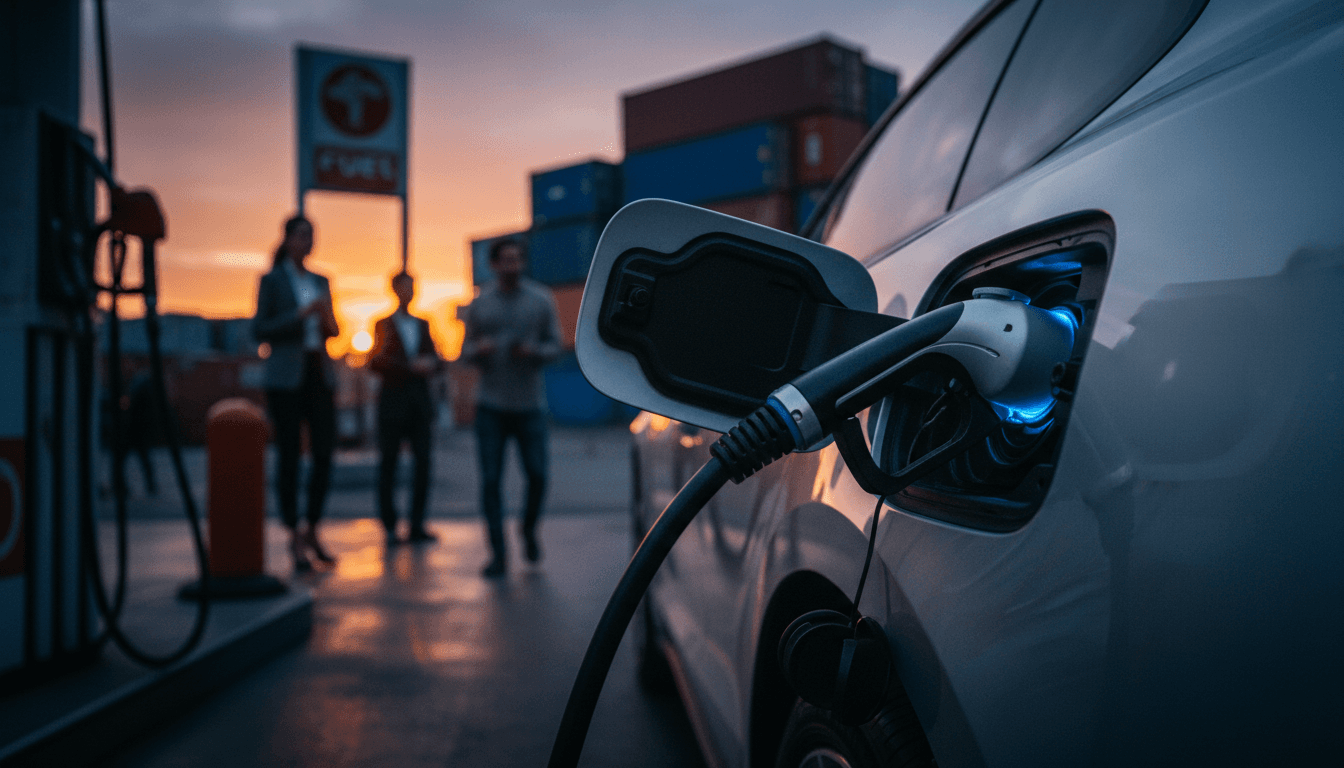
High gas prices and EVs – it’s a dynamic relationship currently experiencing unprecedented volatility. Living in a dense urban environment with excellent public transportation and scarce parking, I typically pay little attention to the fluctuations at the pump. However, as the conflict in Iran has intensified, sending fossil-fuel prices on a wild roller-coaster ride, even I’ve started to take notice. In the US, average gas prices have been surging, prompting many consumers to reconsider their transportation choices.
The Shifting Calculus of EV Adoption
The immediate impact of soaring fuel costs often translates into a surge of interest in electric vehicles (EVs). When filling up a conventional gasoline car becomes a significant financial burden, the appeal of a vehicle that can be charged at home, often at a lower per-mile cost, grows considerably. This direct economic pressure is a powerful accelerant for EV adoption, pushing hesitant buyers to make the switch sooner rather than later. However, the connection between high gas prices and EVs is not always a simple cause-and-effect.
Supply chain issues, particularly for critical battery components, can temper this enthusiasm. Even with heightened demand, if manufacturers cannot produce enough vehicles, or if the cost of raw materials for batteries drives up EV sticker prices, the economic advantage can be eroded. This complex interplay of market forces means that while the intent to purchase an EV may rise, the actual transaction might be delayed or complicated.
“While high gas prices undoubtedly boost consumer interest in EVs, the broader economic landscape, including inflation and supply chain stability, plays a critical role in translating that interest into sales.”
High Gas Prices and EVs: A Complicated Equation
The relationship between high gas prices and EVs is far from straightforward. While the immediate financial incentive for consumers to consider an EV is clear when gasoline costs rise, other factors frequently complicate this decision. For instance, the upfront cost of an EV, while decreasing, can still be a barrier for many. Government incentives and tax credits often help bridge this gap, but these can vary widely and are subject to political shifts. Furthermore, the availability of charging infrastructure remains a concern for potential buyers, particularly those in rural areas or apartment dwellers without dedicated charging access.
The escalating conflict in Iran, which directly impacts global oil supplies, serves as a stark reminder of the vulnerability of fossil fuel-dependent economies. This geopolitical instability, while unwelcome, undeniably strengthens the long-term strategic case for transitioning to electric transportation. Consumers are not just looking at immediate savings but also at future energy security and environmental impact. For more insights into market shifts, explore our related Industries news.
Beyond the Pump: Long-Term Market Dynamics
Beyond the immediate reaction to pump prices, the long-term market dynamics are equally important. Automakers have invested billions into EV research and development, committing to an electric future regardless of short-term fuel price fluctuations. This institutional momentum, coupled with evolving regulatory landscapes pushing for lower emissions, ensures that the EV transition will continue. High gas prices and EVs are intertwined, but the EV revolution is driven by more than just temporary market shocks; it’s a fundamental shift in automotive technology and consumer preference. The current volatility merely accelerates a trend already firmly in motion, forcing a more rapid re-evaluation of personal transportation strategies.
In conclusion, while the immediate surge in gasoline prices due to geopolitical tensions undoubtedly makes electric vehicles more attractive, the full picture is multifaceted. Supply chain constraints, upfront costs, and infrastructure development all play significant roles. However, the overarching trend towards electrification is undeniable, with high fuel costs acting as a powerful, albeit complicated, catalyst for change. The current market volatility underscores the critical need for a diversified, sustainable energy future.