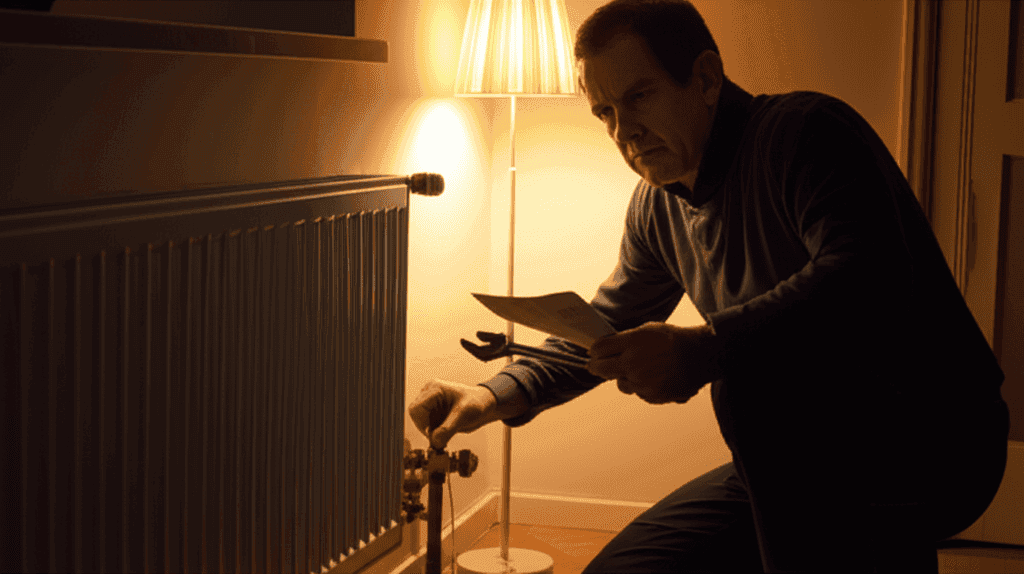
Heating repair costs can be a significant burden for homeowners, especially when the initial repair doesn’t solve the problem. A recent MarketWatch column, “The Moneyist,” addressed this very issue, posing the question: If a heating engineer fails to fix radiators on the first visit, should the homeowner pay for a second?
The query came from a “Disgruntled Customer” who pre-emptively diagnosed a water-pressure issue and conveyed this to the engineer. Despite an initial $140 charge, the problem resurfaced. A second visit incurred an additional $180, including $40 for a part. The customer felt it unfair to pay twice for labor.
Quentin Fottrell, the Moneyist, weighed the arguments. The customer’s perspective is that they paid for a service that wasn’t delivered. The engineer’s view is that each visit constitutes separate labor, especially with the introduction of a new part (the chemical sealant).
“Ethics and etiquette often exist in that grey area, and you will have to decide whether calls and letters from the company and, possibly, a collection notice is worth $180.”
Fottrell’s verdict leans towards the customer, suggesting the second visit should be considered part of completing the original job. He highlights the engineer’s admission of not having the necessary sealant initially.
Understanding Heating Repair Costs
Several factors influence heating repair expenses. These include the complexity of the issue, the type of heating system (e.g., radiator, forced air), and the local market rates for skilled tradespeople. Emergency repairs or weekend call-outs often command higher prices.
Negotiating Fair Heating Repair Fees
Transparency is key. Before any work begins, homeowners should request a detailed estimate outlining labor costs, parts expenses, and any potential additional fees. It’s also wise to inquire about warranties or guarantees on the repairs.
If a repair proves ineffective, as in the initial query, open communication with the service provider is crucial. Discuss the possibility of a discounted rate for the follow-up visit, particularly if the problem stems from the original diagnosis or incomplete repair. Documenting all communications and agreements can provide valuable protection in case of disputes.
Furthermore, it’s important to remember your rights as a consumer. related Finance news on consumer protection laws may offer avenues for recourse if you feel you’ve been unfairly charged.
Resolving Payment Disputes
If a resolution cannot be reached amicably, consider these steps:
- Document everything: Keep records of all communication, invoices, and repair details.
- Contact the company directly: Escalate the issue to a manager or supervisor.
- Seek mediation: A neutral third party can help facilitate a compromise.
- File a complaint: Consider lodging a formal complaint with a consumer protection agency or the Better Business Bureau.
Ultimately, the decision of whether to pay for a second visit hinges on the specifics of the situation and the willingness of both parties to negotiate in good faith. However, knowing your rights and advocating for fair treatment is essential when dealing with heating repair costs.
Source: MarketWatch