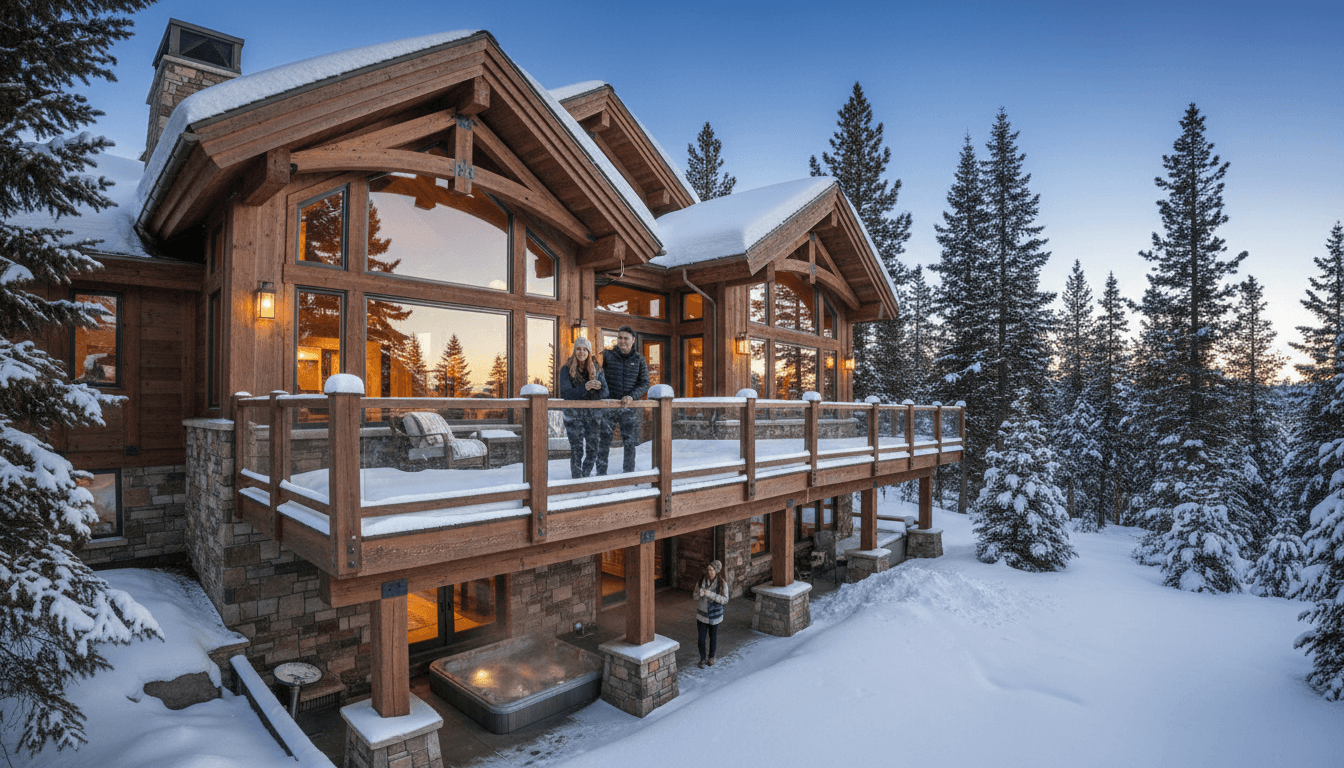
Fractional ownership is quietly but significantly reshaping the real estate market in Truckee, California, offering an intriguing solution to the region’s notoriously high property values. In this Lake Tahoe-adjacent town, where the median home listing hovers around $627,450, a unique opportunity has surfaced: a three-bedroom, 3.5-bathroom, 2,470-square-foot house listed for a mere $1,000. This seemingly unbelievable price point, reported by Realtor.com on May 18, 2026, is not a typographical error, but rather the entry cost into a fractional ownership model.
The property in question is situated within the popular Old Greenwood community, offering prospective buyers a 1/17 shared, deeded ownership of an actual home. This structure grants owners approximately four weeks of annual usage. Specifically, it includes a guaranteed, fixed week during a premium winter period each year, complemented by additional time booked on an as-needed or space-available basis. This approach directly addresses the challenge of affordability in a highly desirable, recreation-rich area like Truckee, allowing more individuals to access luxury amenities and prime locations without the prohibitive full purchase price.
The Mechanics of Fractional Ownership
Jason Waters, a listing agent with Tahoe Mountain Realty, elaborated on the specifics of this fractional ownership offering. He confirmed that the $1,000 price tag secures a legitimate stake in a high-value asset. Beyond the deeded ownership and usage rights, Old Greenwood owners gain preferred access to an array of exclusive amenities through the Tahoe Mountain Club. These benefits include access to two golf courses, a swimming pool, complimentary shuttle service to the renowned Northstar ski resort, and entry to a private members’ lounge. Such perks elevate the appeal of fractional ownership beyond just a vacation home, positioning it as a lifestyle investment.
The model contrasts sharply with traditional timeshares, as it involves actual deeded property ownership, providing a tangible asset that can appreciate over time. For many, this distinction is crucial, offering a sense of true investment rather than just pre-purchased vacation time. The low entry barrier makes it particularly attractive to those who desire a presence in the Lake Tahoe area but are deterred by the multi-million dollar price tags of full home purchases.
Impact on the Broader Real Estate Landscape
The rise of fractional ownership in Truckee signals a broader shift in how high-demand recreational markets are adapting to economic realities and evolving consumer preferences. As housing affordability continues to be a critical concern across many U.S. markets, innovative models like this are gaining traction. This trend is not confined to Truckee; Realtor.com has noted an increase in fractional real estate investing in other Sunbelt regions, indicating a wider adoption of this strategy to democratize access to prime properties. It represents a creative response to the persistent demand for vacation homes and investment properties in desirable locations, without the full financial commitment.
“Fractional ownership provides a viable pathway for individuals to gain a foothold in exclusive markets like Lake Tahoe, offering a tangible asset and luxury amenities at a fraction of the cost of traditional homeownership.”
For the broader real estate market, the success of fractional ownership in Truckee could serve as a blueprint for other expensive resort towns. It offers a structured way for developers to maximize property utility and for buyers to enjoy premium locations without overextending financially. This could lead to a diversification of ownership structures, potentially easing some of the pressure on traditional housing stock and making leisure properties more accessible to a wider demographic.
What’s Next for Truckee and Beyond
The continued success of fractional ownership in Truckee will likely depend on several factors, including the long-term appreciation of these fractional shares, the management quality of shared amenities, and buyer satisfaction with the usage allocation system. Should these programs consistently deliver on their promises, we could see an acceleration of similar offerings in other high-value recreational markets across the nation. This model could particularly appeal to second-home buyers who might only use a property for a few weeks a year, making a full purchase economically inefficient.
As the real estate industry continually seeks solutions to affordability and accessibility challenges, fractional ownership could evolve from a niche offering to a more mainstream investment option. Its growth in Truckee is a testament to its potential to bridge the gap between aspirational living and financial feasibility in some of the country’s most coveted locales. Investors and potential homeowners alike will be watching closely to see how this trend develops, potentially influencing future property acquisition strategies. For more insights into evolving property trends, explore our related real estate articles.
The emergence of fractional ownership in Truckee is more than just a local phenomenon; it signifies a pivotal moment in the evolution of real estate investment, offering a pragmatic and appealing alternative in an increasingly competitive market. It demonstrates how innovative property models can unlock access to previously unattainable luxury, fundamentally altering the landscape of high-end recreational real estate.