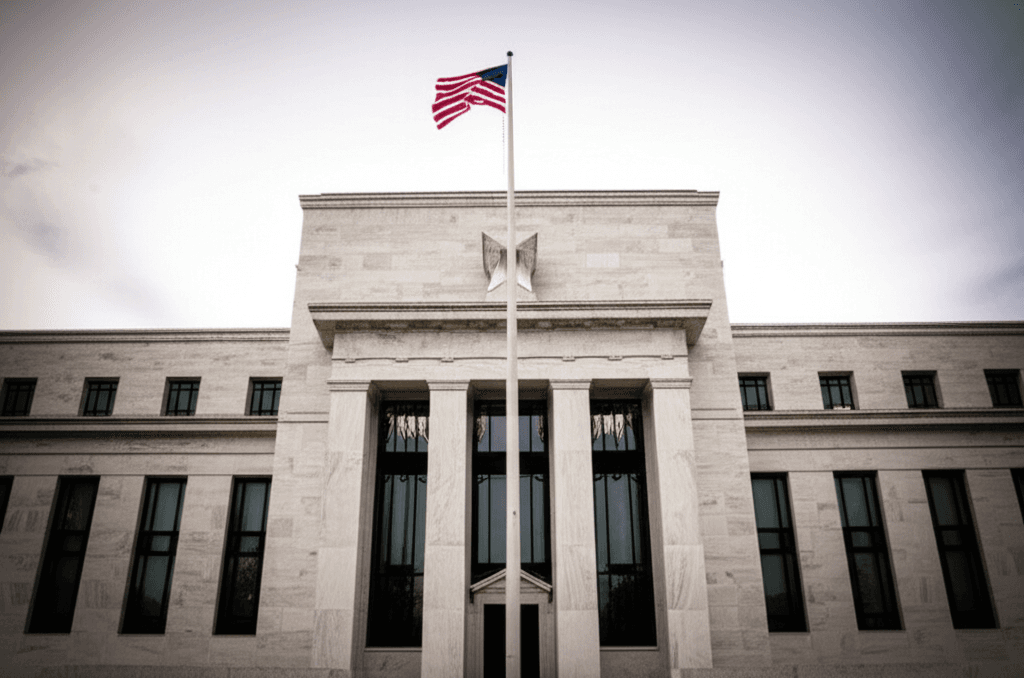
A Fed rate hike was discussed at the Federal Reserve’s January meeting, according to recently released minutes, if inflation doesn’t cool down. Several officials expressed a willingness to consider raising interest rates should inflation remain stubbornly above the target level. During their January 27-28 discussion, these officials indicated support for a “two-sided” statement, acknowledging the possibility of upward adjustments to the federal-funds rate target range.
Inflation Concerns at the Forefront
The minutes reveal a nuanced debate within the Fed regarding the balance between controlling inflation and supporting economic growth. Some officials emphasized the need for clear evidence that disinflation was firmly on track before considering further rate cuts. This suggests a growing concern that prematurely easing monetary policy could reignite inflationary pressures. The prevailing sentiment acknowledged improvements in the labour market, but a “risk of more persistent inflation remained,” influencing their cautious stance. related Finance news
Fed Rate Hike Contingency Plans
While the Fed ultimately decided to maintain the current interest rate range of 3.5%-3.75%, the discussion of a potential rate hike highlights the central bank’s commitment to price stability. This commitment is further underscored by the fact that some officials would have supported a more hawkish statement reflecting the possibility of raising rates if inflation remained high. This divergence in views suggests that the Fed is prepared to act decisively to combat inflation, even if it means deviating from the current path of gradual easing. The decision to hold rates steady followed three cuts in late 2025.
Market Expectations and Political Considerations
Financial markets currently anticipate two rate cuts by the Fed in 2026, with the first expected in June and another in September. However, the hawkish signals from some Fed officials could lead to a reassessment of these expectations. A rate hike would likely draw criticism from President Trump, who has consistently advocated for lower interest rates. The potential appointment of Kevin Warsh, nominated by Trump to replace Jerome Powell as Fed Chair, could further complicate the situation, as Warsh would face the challenge of navigating conflicting pressures from the White House and the central bank’s commitment to controlling inflation.
Analyzing the Fed Rate Hike Debate
The debate within the Fed reflects the inherent uncertainty surrounding the economic outlook. While inflation has shown signs of cooling, its persistence above the target level remains a concern. The strength of the labour market provides some reassurance, but the risk of a resurgence in inflation cannot be dismissed. The Fed’s response will depend on incoming data and a careful assessment of the evolving economic landscape. The possibility of a Fed rate hike, while not the base case, remains a viable option should inflation prove more stubborn than anticipated.
“Some Fed officials said they wouldn’t support additional cuts “until there was a clear indication that the progress of disinflation was firmly back on track.”
Ultimately, the Fed’s primary objective is to achieve its dual mandate of price stability and full employment. The decision to consider a Fed rate hike underscores the central bank’s unwavering commitment to controlling inflation, even in the face of political pressure and market expectations. Whether or not such a hike materializes will depend on the trajectory of inflation and the overall health of the economy. The key takeaway is that the Fed remains vigilant and prepared to adjust its policy stance as needed to achieve its goals. The discussion of a Fed rate hike is a signal that the central bank is not complacent and is willing to take necessary steps to ensure price stability.
Source: MarketWatch