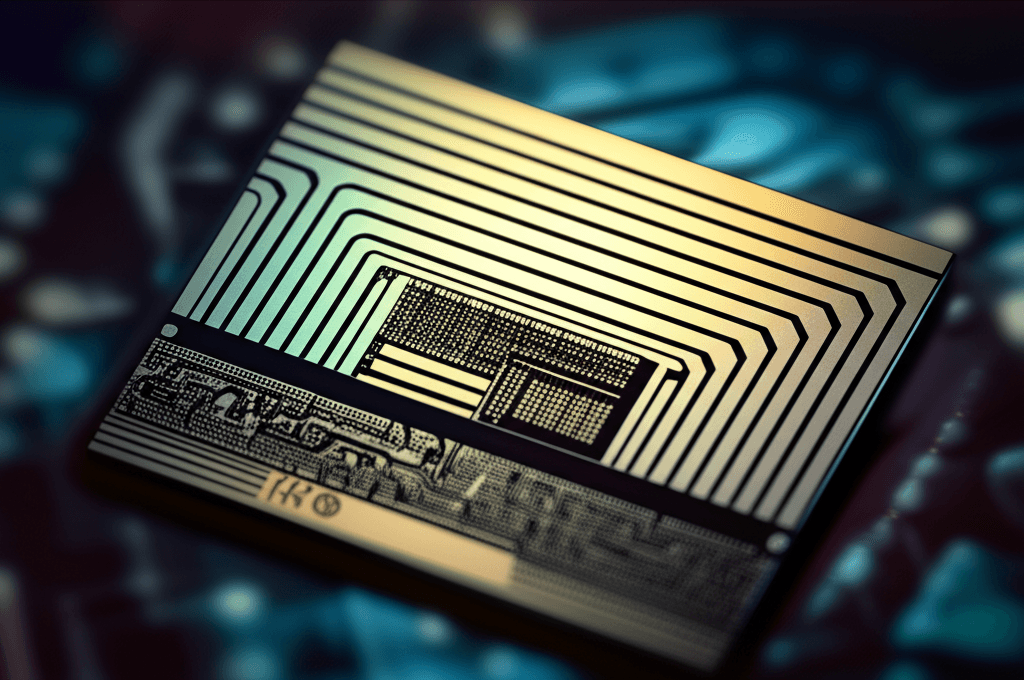
Die analysis reveals the intricate architecture of the ESP32-P4 and -C6 chips found within the Guition ESP32-P4-M3 module. The module, combining the ESP32-P4 SoC with the ESP32-C6 for wireless capabilities, has been meticulously examined by electronupdate, offering a rare glimpse into the silicon heart of these devices.
Electronupdate’s teardown provides valuable insights into the design and integration of these chips. The ESP32-P4, lacking native wireless functionality, relies on the ESP32-C6 for WiFi and Bluetooth connectivity. This modular approach showcases a practical implementation strategy for the P4, and the teardown offers an excellent opportunity to understand the chip’s manufacturing.
After removing the metal shield, the module’s contents are revealed. The P4 variant includes 32 MB of integrated PSRAM. This allows for a die shot of both the PSRAM and the P4 die, with enough of the top metal remaining to discern the latter.
The inclusion of a Boya brand Flash chip is standard. The teardown also provides a look inside one of the crystal oscillators and the C6 MCU. The C6, simpler in design than the P4, features a clearly defined RF section. The die sizes are 2.7 x 2.7 mm for the C6 and 4.29 x 3.66 mm for the P4.
Critical ESP32 Die Analysis Details
The die analysis reveals key differences in complexity between the ESP32-P4 and ESP32-C6. The P4, designed as a small SoC, focuses on processing power, while the C6 handles wireless communication. This division of labor highlights a strategic design choice by Espressif.
“The integration of PSRAM directly onto the P4 die demonstrates a commitment to performance and efficiency.”
Exploring the ESP32-C6 Architecture
The ESP32-C6’s RF section is clearly visible in the die shots, showcasing the components responsible for WiFi and Bluetooth connectivity. This allows for a better understanding of the wireless communication technology built into the module. For related Industries news, explore our other reports.
Implications for IoT Development
This die analysis reveals insights that are important for developers working with IoT devices. Understanding the architecture and capabilities of these chips allows for optimization of code and hardware design. The detailed examination of the ESP32-P4-M3 module offers a valuable resource for engineers and researchers in the field.
The ESP32-P4 and C6 chips are powerful and versatile, and the die analysis reveals the complex engineering that goes into them. The compact module underscores the increasing sophistication of embedded systems, and further die analysis reveals the potential for future innovations in the field. This die analysis reveals crucial information for stakeholders.
Source: Hackaday