
How to detect hidden cameras is a growing concern for travellers and renters alike. A recent BBC exposé revealed the disturbing trend of hidden cameras in hotel rooms, often linked to subscription services offering access to live feeds. While illegal in many places, including China, where the report originated, the ease of concealing increasingly small cameras poses a challenge to both hotel management and guests. Standard detection methods aren’t always effective, prompting the question: what are the best ways to uncover these hidden devices?
Understanding Current Detection Methods
Commercial hidden camera detectors primarily rely on two approaches. One method scans for radio frequency (RF) signals, targeting Wi-Fi or other frequencies commonly used by cameras. However, this approach is easily circumvented. Cameras can be hardwired, store data locally on SD cards, or transmit on uncommon frequencies. Furthermore, hiding a camera near a strong RF source, such as a Wi-Fi router, can mask its signal.
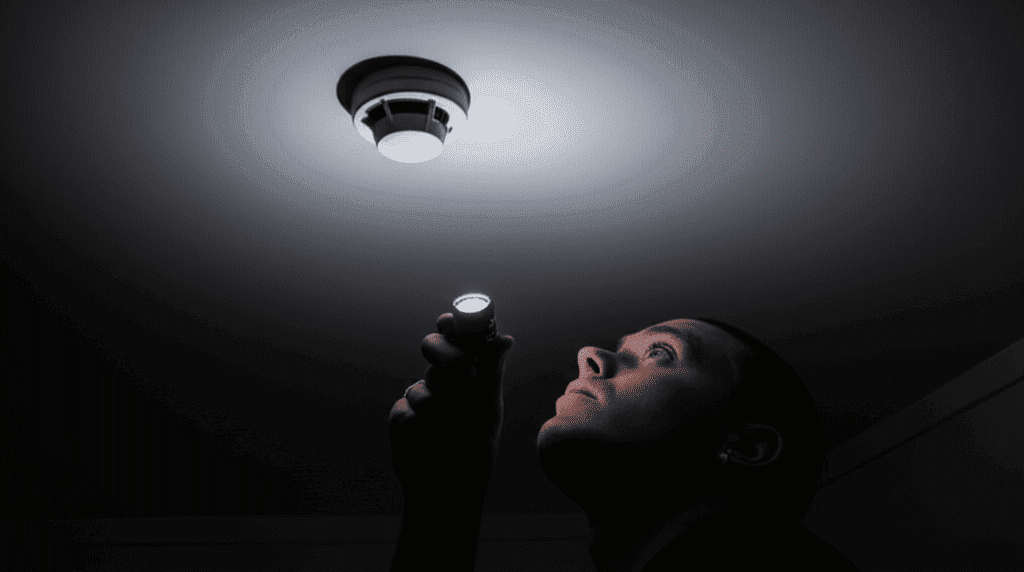
The second common technique involves using a light beam or laser to detect reflections from camera lenses. These lenses tend to be retroreflective, meaning they bounce light directly back to its source. Users typically view the room through a viewfinder, looking for bright reflections. While prone to false positives, this method can identify cameras even if they are not powered on or transmitting. Even a simple flashlight, such as the one on your cell phone, can be used to search for camera lenses in a darkened room.
Other detection methods include scanning for infrared (IR) lighting, often used by spy cameras for night vision. Cell phone cameras can often detect IR light, providing a free and accessible method for identifying potential hidden cameras. Thermal imaging can also reveal hidden electronic equipment, although distinguishing a camera from other devices may be difficult.
The challenge lies in the camera’s size and concealment. As the BBC report highlighted, some cameras are as small as a pencil eraser. Moreover, readily available cameras are disguised as everyday objects, such as smoke detectors, stuffed toys, USB chargers, and even buttons or screw heads.
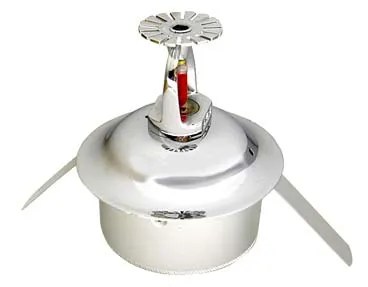
ImageAlt: A combination fire sprinkler and hidden camera.
Are You Being Spied On? Detector Testing
Project Farm has conducted a video review of several hidden camera detectors, providing valuable insights into their effectiveness. It’s important to remember that detector performance can vary depending on the type of camera being used. While a detector may identify one type of camera, it may not detect all cameras. However, the video offers a comparative assessment of different detectors.
Effective Ways to Detect Hidden Cameras
Given the limitations of existing detection methods, a multi-faceted approach is often the most effective strategy to how to detect hidden cameras. This includes a thorough physical inspection of the room, paying close attention to common hiding places like electrical outlets, smoke detectors, and decorative items. Utilizing a flashlight to search for lens reflections, as well as using your cell phone camera to scan for IR lights, can also be beneficial. Furthermore, consider investing in a reliable RF detector to scan for wireless signals.
“The most effective countermeasure against hidden cameras is to prosecute those selling the video footage commercially. You can always hide a camera, but you can’t hide a service you’re advertising.”
Ultimately, protecting your privacy requires vigilance and a proactive approach. By understanding the methods used to conceal cameras and the available detection techniques, you can significantly reduce your risk of being spied on. Stay informed about related Industries news and technological advancements in surveillance and counter-surveillance.
Source: Hackaday


