
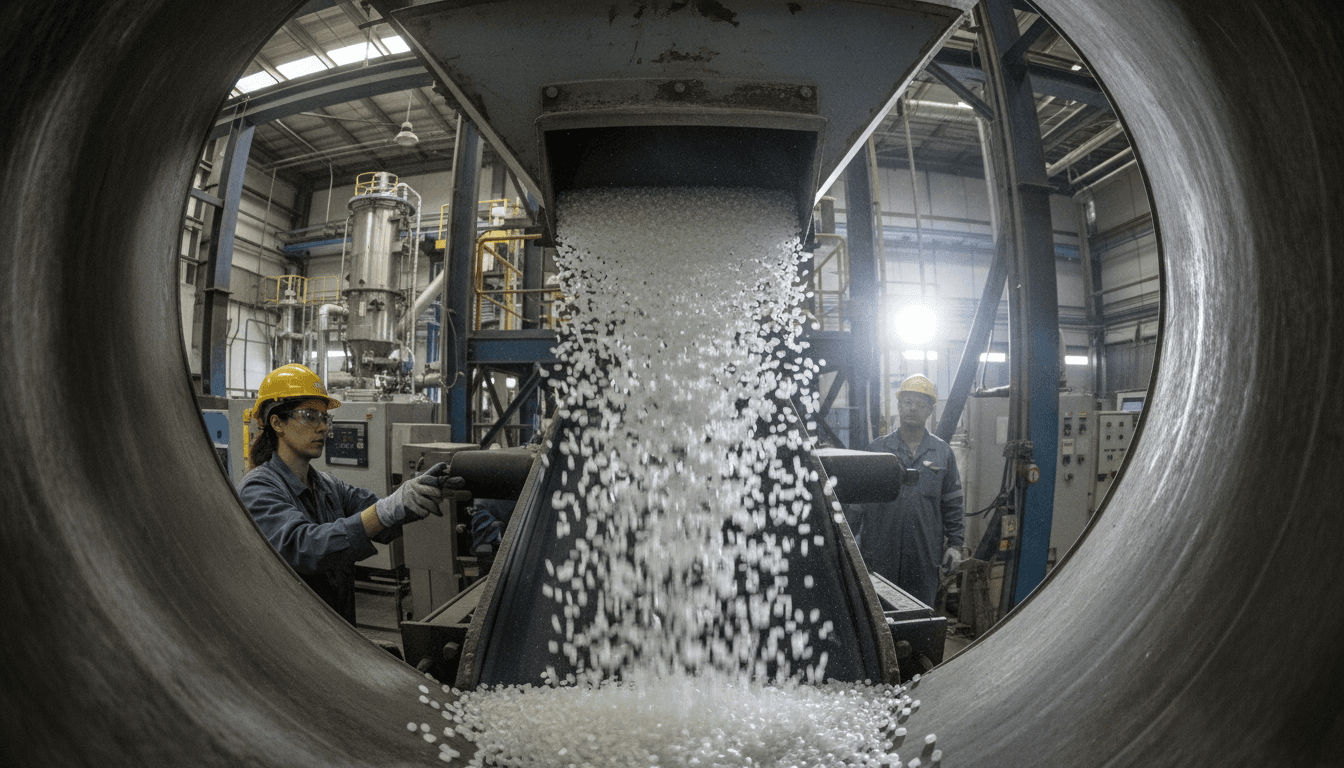
A critical plastic price surge is looming, threatening to unleash a new wave of economic instability across global markets. As the ongoing conflict in Iran keeps the vital Strait of Hormuz closed, the world has already witnessed a dramatic escalation in fossil fuel prices, with gasoline in the US topping an average of $4 a gallon – its highest since 2022. However, the ripple effects extend far beyond the fuel pump, casting a long shadow over the plastics industry, a sector deeply intertwined with petrochemicals and the oil supply chain.
Plastics, ubiquitous in modern life, account for approximately 5% of global carbon dioxide emissions. From the clothes we wear to the devices we use, oil and gas products are embedded in almost every aspect of our existence. Disentangling our economy from fossil-derived plastics could prove even more complex than decarbonizing our energy systems, presenting an unprecedented challenge for industries worldwide.
The Oil Bottleneck and its Petrochemical Pathways
Recent weeks have seen crude oil prices on a volatile trajectory, recently exceeding $100 a barrel. Crude oil, a complex mixture of hydrocarbons, is refined into various fractions, each with distinct boiling points. These fractions are then processed into an array of products, from jet fuel to asphalt. While gasoline and jet fuel price spikes have dominated headlines, the impact on other crude oil components, particularly naphtha, is now becoming acutely apparent.
Naphtha, a crucial component that enhances the performance of gasoline and jet fuel, is also a primary raw material for plastics. The Middle East contributes approximately 20% of global naphtha production, supplying nearly 40% of the Asian market, where prices have already surged by 50% in the last month alone. This significant increase in feedstock costs is directly translating into higher manufacturing expenses for plastic products.
Critical Plastic Price Surge: Industry Impacts
The effects of this upstream disruption are already trickling down the supply chain. Polypropylene, a plastic derived from naphtha and used extensively in food containers, bottle caps, and automotive parts, is experiencing significant price hikes, particularly in Asia. While manufacturers typically maintain some stock, these reserves are expected to be depleted in the coming weeks, exacerbating the pressure.
“The largest supplier of water bottles in India recently announced an 11% price increase after its packaging costs soared by over 70%.”
Reuters reported that the largest supplier of water bottles in India recently announced an 11% price increase after its packaging costs soared by over 70%. Similarly, consumers can anticipate higher prices for toys this holiday season as manufacturers grapple with escalating related Industries news and supply chain concerns. Americans, with an average annual consumption of over 250 kilograms of new plastics in 2019 (compared to a global average of 60 kilograms), are particularly vulnerable to these compounding price increases.
Limited Alternatives and Future Challenges
The confluence of higher fuel and feedstock prices creates a challenging environment with few readily available alternatives. Bio-based plastics, derived from materials like plant sugars, currently constitute a minuscule portion of the market – approximately 0.5% of the over 431 million metric tons of global plastics production in 2025, with projections of only reaching 1% by 2030. These alternatives are significantly more expensive and their large-scale production could pose environmental concerns and compete with agricultural food production.
Recycling, while a vital component of sustainability efforts, also presents limitations. Mechanical recycling degrades materials over time, preventing infinite reuse. Chemical recycling, while promising, faces its own set of challenges, including potential environmental pollution and the current reality that plastics entering advanced recycling facilities often do not result in new plastic products.
While the current energy crisis might accelerate the transition towards renewable energy sources like solar panels and electric vehicles, the path for plastics is far more intricate. Despite facing similar disruptions, the plastics industry lacks readily apparent, scalable alternatives for a swift transition. Our reliance on fossil-derived plastics, from essential medical equipment to everyday items, is profound, and the economic repercussions of this dependency are poised to become a defining challenge in the coming months.


