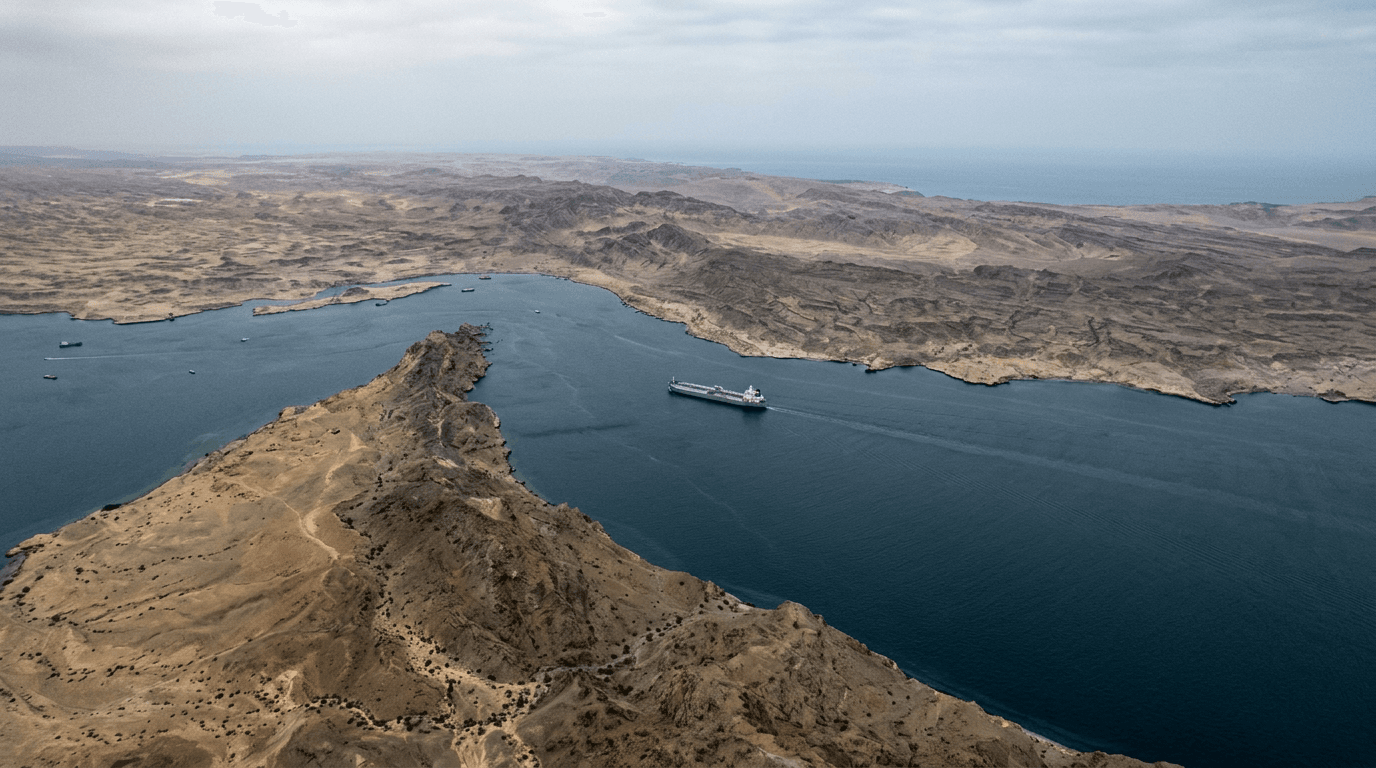
Critical Hormuz shutdown could lead to catastrophic consequences for the global oil market if an effective closure of the Straits of Hormuz were to persist for an extended period, warns Saudi Aramco’s chief. This dire assessment, delivered on Tuesday, March 10, 2026, highlights the immense vulnerability of global energy supply chains to geopolitical instability in the Middle East.
The CEO’s remarks underscore the strategic importance of the Strait of Hormuz, a narrow waterway through which approximately one-fifth of the world’s total oil consumption passes daily. Any prolonged disruption would not only send crude oil prices soaring but also trigger a ripple effect across various industries, from manufacturing to transportation, significantly impacting global economic stability.
Understanding the Impact of a Hormuz Shutdown
A potential Hormuz shutdown is a scenario that energy markets have long dreaded. The Strait connects the Persian Gulf with the open ocean, making it an indispensable conduit for oil exports from major producers like Saudi Arabia, Iran, Iraq, Kuwait, and the UAE. While Aramco is actively exploring alternative export routes and strategies, the scale and efficiency of the existing infrastructure through Hormuz are currently irreplaceable.
The prospect of the U.S. Navy escorting tankers through the Strait, often considered a deterrent in times of heightened tension, received an unenthusiastic response from Aramco’s chief. This suggests a deep-seated concern that even military protection might not fully mitigate the risks or prevent severe market disruption in the event of a sustained closure. The complexity of navigating such a volatile environment, coupled with the sheer volume of maritime traffic, presents significant operational challenges.
The Economic Fallout of Prolonged Disruption
The economic fallout from a prolonged Hormuz shutdown would be immediate and severe. Oil prices would likely experience an unprecedented surge, impacting everything from consumer fuel costs to the operational expenses of businesses worldwide. This inflationary pressure could push many economies into recession, stifling growth and exacerbating existing financial vulnerabilities. Furthermore, the reliance on oil as a primary energy source means that few sectors would remain untouched by such a disruption. Investors and policymakers alike are keenly watching developments in the region, recognizing the profound implications for related Finance news and global markets.
“The sheer volume of oil transiting the Strait of Hormuz means its extended closure would unleash an economic shockwave unlike anything seen in decades, far beyond just energy markets.”
Aramco’s ongoing efforts to develop alternative export capabilities, while crucial, are long-term solutions that cannot immediately address the short-term crisis a Hormuz shutdown would create. These strategic investments highlight the oil giant’s commitment to ensuring supply security, but they also underscore the current fragility of the global energy architecture.
Mitigating Future Energy Supply Risks
The warning from Saudi Aramco’s CEO serves as a stark reminder of the urgent need for diversification in energy sources and supply routes. While the world continues to rely heavily on fossil fuels, investments in renewable energy and the development of robust, secure global supply chains are paramount. The international community must prioritize diplomatic solutions and collaborative efforts to ensure stability in critical transit points like the Strait of Hormuz, safeguarding the global economy from potential catastrophic disruptions.