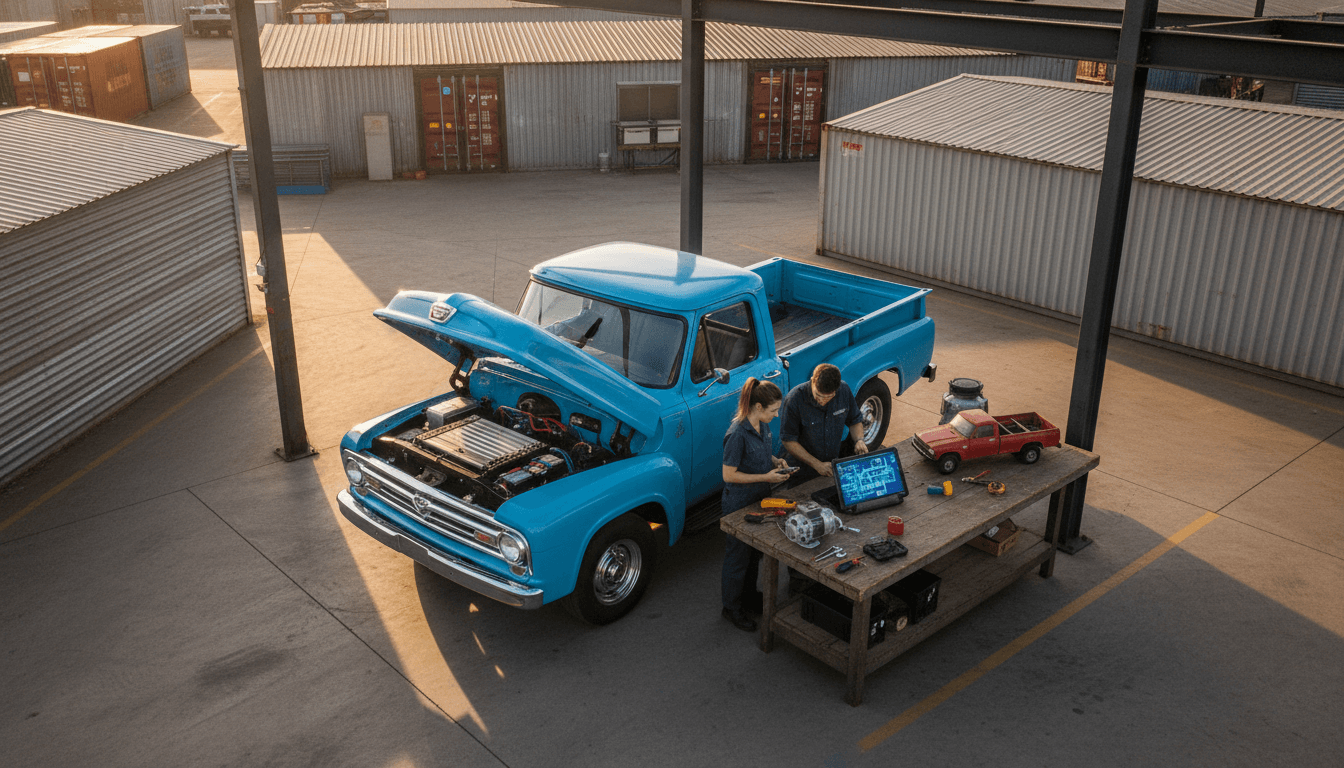
Classic EV conversions are rapidly emerging as a highly desirable alternative to some modern electric vehicle offerings, particularly among enthusiasts seeking both vintage aesthetics and modern performance. A recent Hackaday article, published on March 13, 2026, brilliantly illuminates this burgeoning trend, suggesting that while manufacturers like Ford produce electric pickups, they often miss the mark on the ‘classic cool’ that a significant segment of the market craves.
The core of this movement lies in transforming beloved classic vehicles, especially pickup trucks, into electric powerhouses. This isn’t just about reducing emissions; it’s about marrying the timeless design and character of older models with the undeniable benefits of electric powertrains. Imagine a bare-bones electric pickup, the size of an old Toyota Hilux, seating two, with a bed capable of fitting a full sheet of plywood. Such a vehicle, designed for DIY repairability and modification, and potentially available for around $20,000 USD after federal tax incentives, represents an ideal for many.
The Allure of Vintage Electrics
The appeal of classic EV conversions is multifaceted. Firstly, there’s an undeniable preference for classic aesthetics. Many enthusiasts simply prefer the enduring lines and character of older vehicles over the often-futuristic designs of modern EVs. This desire for authenticity is a powerful driver. Secondly, the performance benefits of EVs are a significant draw. Instant torque, a hallmark of electric motors, is particularly advantageous for utility vehicles and off-roaders like classic 4×4 Ford Broncos, enhancing their capabilities in ways internal combustion engines often struggle to match.
Environmental regulations also play a crucial role. As cities worldwide implement measures to ban fossil fuel vehicles, the shift towards electric drivetrains becomes not just a preference, but a necessity for continued vehicle use in urban environments. Furthermore, converting classic cars, especially those historically known for unreliability (think vintage British sports cars), to electric can dramatically improve maintenance issues and boost overall performance, transforming temperamental beauties into dependable daily drivers.
DIY Culture Fuels the Electric Revolution
The burgeoning DIY culture and the increasing availability of affordable OEM electric vehicle parts are making classic EV conversions more accessible than ever. Used Smart Car motors, for example, can be found for as little as $250, making the barrier to entry significantly lower for hobbyists and smaller conversion companies. This cost-effectiveness, combined with the inherent simplicity of electric powertrains compared to complex internal combustion engines, fosters a vibrant community of innovators.
“The market is clearly signaling a demand for electric vehicles that prioritize simplicity, repairability, and classic aesthetics over excessive electronics and complex systems.”
The vision of a vehicle designed for DIY repairability and modification, perhaps even with a ‘Slate University’ app providing guidance, resonates deeply with a demographic that values independence and hands-on engagement. This stands in stark contrast to the trend of manufacturers often “taking electric cars in the opposite direction” by adding excessive electronics and complex systems, which many enthusiasts find undesirable and costly to maintain. This desire for simpler, more robust electric vehicles further strengthens the case for classic EV conversions.
The Market for Classic EV Conversions
The potential market for these vehicles is substantial, particularly in places like “21st century America” where a “Volkswagen for 21st century America” could emerge – a practical, affordable, and easily maintainable electric vehicle. The discussions surrounding EV conversions and the broader shift to electric drivetrains have been ongoing on platforms like Hackaday since January 2019, with continued engagement through May 2020, November 2025, and October 2024, indicating a sustained and growing interest. This sustained interest, coupled with the practical advantages and aesthetic appeal, positions classic EV conversions not just as a niche hobby, but as a significant emerging segment within the automotive industry. This trend suggests a future where the past and present coalesce to create vehicles that are both nostalgic and forward-thinking.