
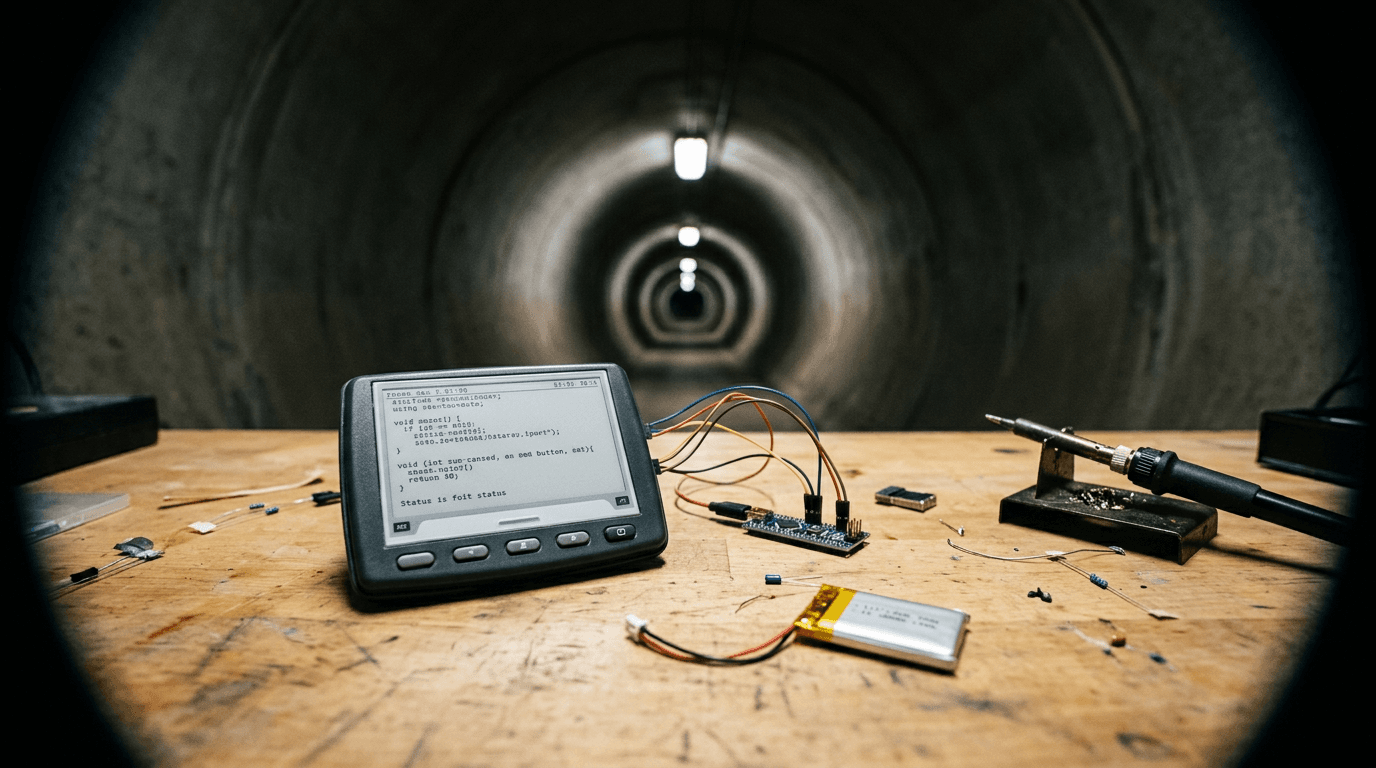
A calculator case e-reader project is making waves in the DIY tech community, transforming humble beginnings into a sophisticated, pocket-sized digital library. E-readers are an awesome creation, allowing you to display digital information in a way that requires little battery life, a crucial advantage in portable electronics. While there’s plenty of very impressive commercial models to choose from on the market, the allure of building your own, especially one housed in an unexpected enclosure, holds a unique appeal for hobbyists and innovators alike.
The DIY E-Reader Revolution
The journey from a simple calculator case to a fully functional e-reader epitomizes the spirit of innovation and resourcefulness. This trend isn’t just about cost savings; it’s about pushing the boundaries of what’s possible with readily available components and a healthy dose of creativity. Enthusiasts are leveraging open-source hardware and software to craft devices tailored precisely to their needs, often surpassing the capabilities or specific design aesthetics of mass-produced alternatives. This bottom-up approach to tech development fosters a vibrant ecosystem of knowledge sharing and collaborative problem-solving, driving forward new concepts in personal electronics.
“The true innovation lies not just in the final product, but in the elegant repurposing of everyday objects into powerful new tools.”
The appeal of such projects extends beyond mere functionality. There’s a profound satisfaction in constructing a device from the ground up, understanding every component and its role. This intimate knowledge empowers users to repair, modify, and upgrade their creations, fostering a deeper connection with their technology. For more insights into how individual ingenuity impacts broader market trends, explore our related Industries news.
Building a Calculator Case E-Reader: The Technical Deep Dive
The technical aspects of transforming a calculator case into an e-reader involve careful selection and integration of components. Key elements typically include a low-power microcontroller (like an ESP32), an e-ink display for its remarkable battery efficiency and readability, and custom firmware to manage the display and content. Power management is critical, often involving small lithium-ion batteries and efficient charging circuits to maximize uptime. The physical integration requires precise measurements, sometimes 3D-printed brackets, and meticulous soldering to fit everything within the confined space of the original calculator housing. This detailed engineering ensures the device is not only functional but also robust enough for daily use, making the calculator case e-reader a testament to compact design.
Future Implications for Personal Electronics
The rise of scratch-built devices, particularly projects like the calculator case e-reader, signals a broader shift in consumer expectations and technological empowerment. As manufacturing processes become more accessible and components more affordable, the line between consumer and creator blurs. This could lead to a future where personalization and modularity are paramount, challenging the dominance of monolithic tech companies. Such projects also highlight the potential for sustainable electronics, by repurposing existing materials and encouraging repairability over constant replacement. The ingenuity demonstrated in these DIY endeavors offers a compelling glimpse into the future of personal technology, where innovation is driven by individual needs and creative problem-solving.
Ultimately, the calculator case e-reader project is more than just a clever hack; it’s a powerful demonstration of how accessible technology and creative thinking can lead to truly unique and functional devices. It underscores the value of DIY electronics in pushing innovation and offering personalized solutions in an increasingly standardized world.


