Breaking Iran War escalation events unfolded in mid-March 2026, marking a critical juncture in the ongoing conflict involving Iran, Israel, and the United States. These developments include a high-profile resignation from the US administration, the deployment of powerful US weaponry near a critical global choke point, retaliatory strikes by Iran following a high-profile assassination, and a notable divergence in global oil prices.
Joe Kent’s Resignation and US Policy Scrutiny
On Tuesday, March 17, 2026, Joe Kent, the Director of the US National Counterterrorism Center, publicly resigned from his position. In a stark resignation letter addressed to President Donald Trump, Kent stated his inability to “in good conscience support the ongoing war in Iran.” He further asserted that “Iran posed no imminent threat to our nation, and it is clear that we started this war due to pressure from Israel and its powerful American lobby.” This made Kent the most senior official in the Trump administration to openly criticize the US-Israeli war on Iran. President Trump, in a swift response, dismissed Kent’s concerns, stating he “always thought he was weak on security.” This unprecedented resignation highlights growing internal dissent regarding the rationale and execution of the conflict, adding a layer of political complexity to the breaking Iran War escalation.
“Iran posed no imminent threat to our nation, and it is clear that we started this war due to pressure from Israel and its powerful American lobby.”
US Deploys Bunker-Busters Near Strait of Hormuz
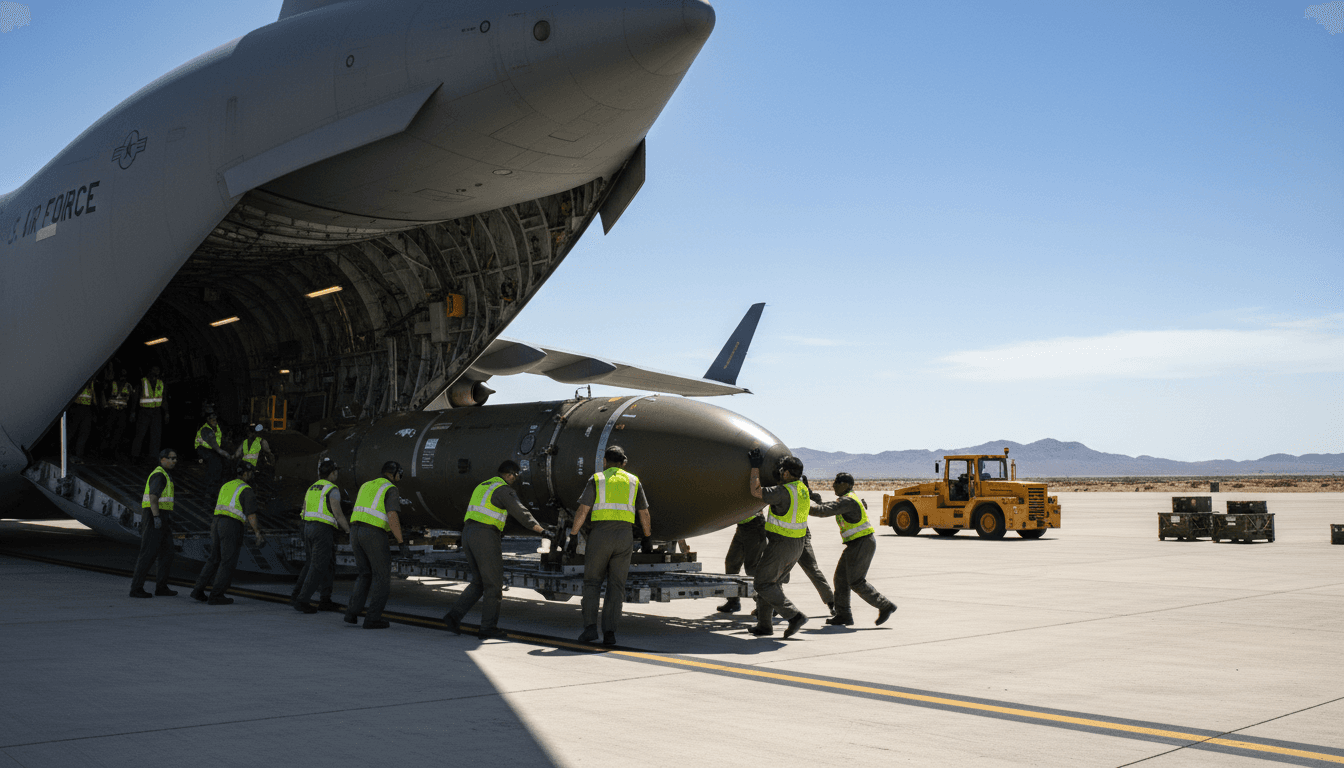
The United States military significantly escalated its presence by deploying “bunker buster” bombs, specifically multiple 5,000-pound deep penetrator munitions, to target hardened Iranian missile sites along Iran’s coastline near the Strait of Hormuz on Tuesday, March 17, 2026. US Central Command (CENTCOM) justified the deployment, stating that these Iranian anti-ship cruise missile sites posed a direct risk to international shipping in the strait. The Strait of Hormuz is a critical waterway through which approximately 20% of the world’s oil supply transits, and its effective closure by Iran has already led to soaring oil prices globally. The UK is also reportedly considering deploying autonomous mine-hunting drones to assist in clearing the vital waterway, underscoring the international concern over the strait’s security amidst the breaking Iran War escalation.
Assassination of Ali Larijani and Iranian Retaliatory Strikes
The conflict took a sharper turn with the assassination of Ali Larijani, Iran’s security chief and secretary of the Supreme National Security Council, in an Israeli airstrike on the night between March 16 and 17, 2026. Reports also indicated the deaths of his son, Morteza Larijani, and the head of his office, Alireza Bayat, in the same strike. Israel further claimed to have killed Gholamreza Soleimani, the head of the Basij paramilitary force, in a separate operation. In direct retaliation for Larijani’s assassination, Iran launched a wave of retaliatory missile strikes on Wednesday, March 18, 2026. Iran’s Islamic Revolutionary Guard Corps (IRGC) announced the use of Khorramshahr-4 and Qadr multiple-warhead missiles to target central Israel, killing two people near Tel Aviv. Gulf nations also intercepted rockets and drones aimed at targets including US bases in the region. An attack also reportedly hit a judiciary site in Larestan County in Iran’s Fars province, tragically killing and wounding civilians and judicial staff.
Oil Prices Diverge Amid Geopolitical Energy Shock
As of mid-March 2026, crude oil prices have surged dramatically, with Brent crude peaking at $119.50 per barrel. This sharp increase is primarily driven by the “geopolitical energy shock” and the effective closure of the Strait of Hormuz by Iran, leading to a significant “war premium” being priced into the energy market. However, a notable divergence is observed in the oil market. While global crude prices are elevated, US oil production is expected to plateau in 2026, with minimal growth despite the high prices. This trend is attributed to a strategic shift in industry priorities towards capital discipline and investor returns, rather than aggressive drilling, indicating a complex interplay of geopolitics and market fundamentals impacting energy supply amidst the breaking Iran War escalation. For more insights on the global energy market, explore our related Finance news.
The mid-March 2026 events mark a significant intensification of the Iran conflict, characterized by high-level political dissent, military escalation in a critical global shipping lane, and direct retaliatory actions. The resulting divergence in oil prices underscores the profound economic implications of this ongoing geopolitical instability, creating a challenging environment for global markets and energy security.