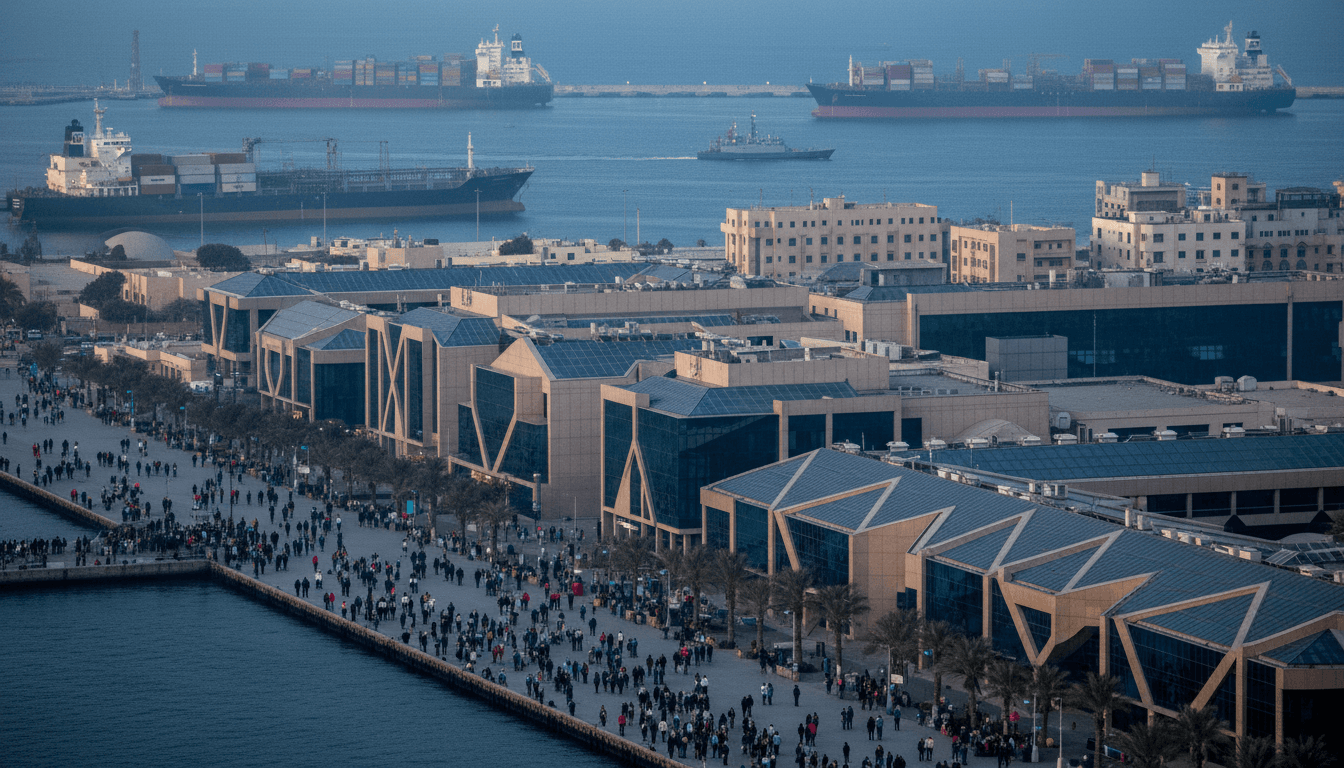
Breaking Iran Strait Conflict: Hormuz Tensions Flare as a complex and rapidly evolving situation unfolded in mid-April 2026 concerning Iran, the Strait of Hormuz, and ongoing negotiations with the United States, marked by conflicting statements and actions from both sides. This period saw critical developments impacting global energy markets and international relations, particularly regarding the vital shipping lane.
The Strait of Hormuz Standoff
The core of the news revolves around the status of the Strait of Hormuz, Iran’s enriched uranium, and the broader context of a ceasefire and potential peace deal between the U.S. and Iran. On April 17, 2026, Iranian Foreign Minister Abbas Araghchi initially announced that the Strait of Hormuz was “completely open” for all commercial vessels, linking this declaration to a ceasefire in Lebanon. President Trump echoed this sentiment, proclaiming it “A GREAT AND BRILLIANT DAY FOR THE WORLD!”
However, the celebratory mood was short-lived. Trump simultaneously stated that the U.S. naval blockade on Iranian ports and vessels would remain “in full force” until a complete deal with Iran was reached. This immediate contradiction led to Iran swiftly reversing its decision on April 18, reimposing restrictions on the strait and stating that its control had returned to its “previous state” under the strict management of its armed forces. Iran cited the ongoing U.S. blockade as an act of “piracy,” with its Islamic Revolutionary Guards Corps (IRGC) declaring that passage through the waterway would now require authorization from Iranian forces. This rapid escalation underscored the fragility of the diplomatic efforts.
Conflicting Narratives on Uranium
Amidst the escalating tensions over the Strait, President Trump repeatedly claimed that Iran had “agreed to everything,” including working with the U.S. to remove its enriched uranium, which he controversially referred to as “nuclear ‘dust’.” He suggested this would not involve U.S. ground troops and that the uranium would be brought to the United States. These assertions, however, were met with immediate and categorical denials from Iran.
“Enriched uranium is as sacred to us as Iranian soil and will not be transferred anywhere under any circumstances.”
Iran’s Foreign Ministry spokesman explicitly refuted Trump’s claims, highlighting a significant divergence in public statements that fueled accusations of “gaslighting”—a term used by observers to describe the deliberate manipulation of information to sow confusion and distrust. This fundamental disagreement over Iran’s nuclear materials remains a primary sticking point in any potential peace agreement, directly impacting the broader related Finance news landscape as global markets react to geopolitical instability.
Ceasefire and Negotiation Hurdles
A two-week ceasefire between the U.S. and Iran, mediated by Pakistan, commenced on April 8, 2026. This truce also included a halt to fighting between Israel and Hezbollah in Lebanon, providing a glimmer of hope for de-escalation. Peace talks were subsequently held in Islamabad, Pakistan, with U.S. Vice President JD Vance leading the American delegation and Iranian Foreign Minister Abbas Araghchi heading the Iranian team.
Despite Trump’s expressed optimism about a deal being “very close” with “no sticking points,” Iranian officials indicated that major issues remained unresolved. The primary obstacles in negotiations reportedly included Iran’s nuclear program and its enriched uranium stockpile, which directly connects to the conflicting claims surrounding its removal. The ongoing Breaking Iran Strait Conflict further complicates these delicate discussions, demonstrating how quickly geopolitical situations can shift and undermine diplomatic progress.
The events of mid-April 2026 illustrate a volatile period marked by significant diplomatic friction and military posturing. The rapid reversal on the Strait of Hormuz, coupled with conflicting statements regarding Iran’s nuclear program, underscores the deep distrust and strategic maneuvering between the U.S. and Iran. As negotiations continue, the world watches closely for any signs of resolution or further escalation, understanding that the stability of global energy supplies and regional peace hinges on these critical discussions.