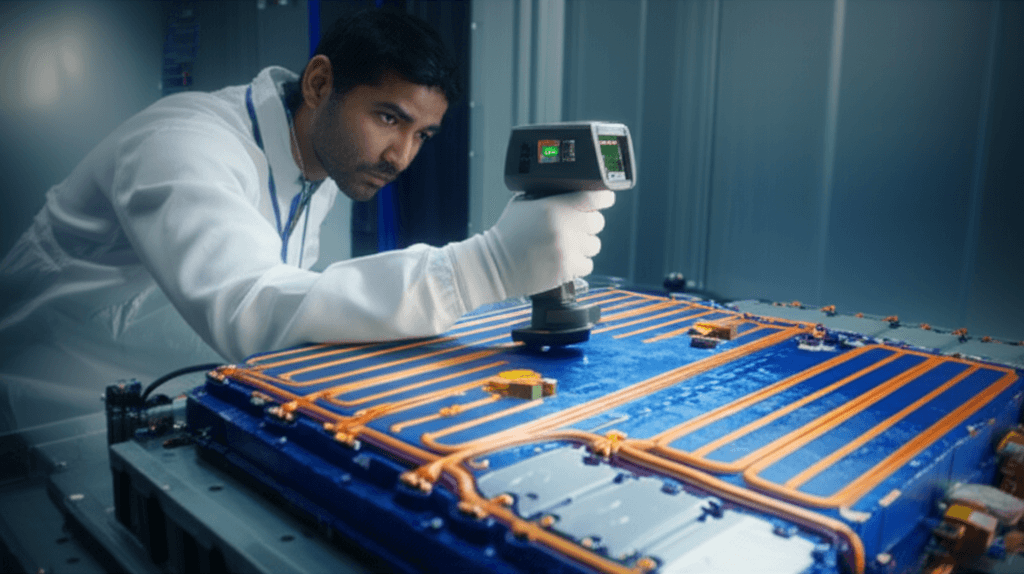
Battery thermal optimization is absolutely essential for the performance and longevity of battery electric vehicles (BEVs). Effective thermal management ensures optimal battery temperature, extending range, improving charging speed, and enhancing overall safety. As demand for EVs continues its upward trajectory, innovative solutions in thermal management systems are becoming increasingly important.
The Importance of Effective Thermal Management
The temperature of a battery pack significantly impacts its efficiency and lifespan. Extreme temperatures, whether hot or cold, can degrade the battery’s materials and reduce its ability to store energy. Overheating can lead to thermal runaway, a dangerous condition that can cause fires. Conversely, low temperatures reduce the battery’s power output and charging efficiency. Therefore, maintaining a stable and optimal temperature range is crucial.
Advancements in Battery Thermal Optimization
Significant advancements are being made in battery thermal management systems. These include:
- Liquid Cooling: Using coolants to dissipate heat more efficiently than air cooling.
- Phase Change Materials (PCMs): Utilizing materials that absorb or release heat during phase transitions.
- Heat Pipes: Efficiently transferring heat from one location to another.
- Advanced Control Algorithms: Optimizing cooling and heating strategies based on real-time data.
These technologies are aimed at improving the uniformity of temperature distribution within the battery pack, reducing hotspots, and ensuring consistent performance across all cells. This directly translates to improved range, faster charging times, and increased safety for electric vehicles.
Impact on EV Performance and Adoption
Optimized thermal management systems have a direct and measurable impact on EV performance. Better temperature control leads to:
- Increased Range: Batteries operate more efficiently at optimal temperatures, extending the distance an EV can travel on a single charge.
- Faster Charging: Improved cooling allows for higher charging rates without overheating the battery.
- Extended Lifespan: Consistent temperature management reduces battery degradation, prolonging its useful life.
- Enhanced Safety: Preventing thermal runaway reduces the risk of fires and other safety hazards.
These benefits are crucial for driving consumer adoption of EVs. As potential buyers become more aware of the performance and safety advantages offered by advanced thermal management systems, the appeal of electric vehicles will continue to grow. related Industries news
Challenges and Future Directions
Despite the progress, challenges remain in optimizing battery thermal management systems. These include the cost and complexity of advanced cooling technologies, the need for more efficient and sustainable coolants, and the integration of thermal management systems with other vehicle systems. Further research and development are needed to overcome these challenges and unlock the full potential of battery thermal management.
“Effective thermal management is not just about cooling; it’s about optimizing the entire battery system for peak performance and longevity.”
In conclusion, battery thermal optimization is a critical factor in the success of battery electric vehicles. By investing in advanced thermal management technologies, manufacturers can improve the performance, safety, and longevity of their EVs, driving greater consumer adoption and accelerating the transition to a sustainable transportation future.