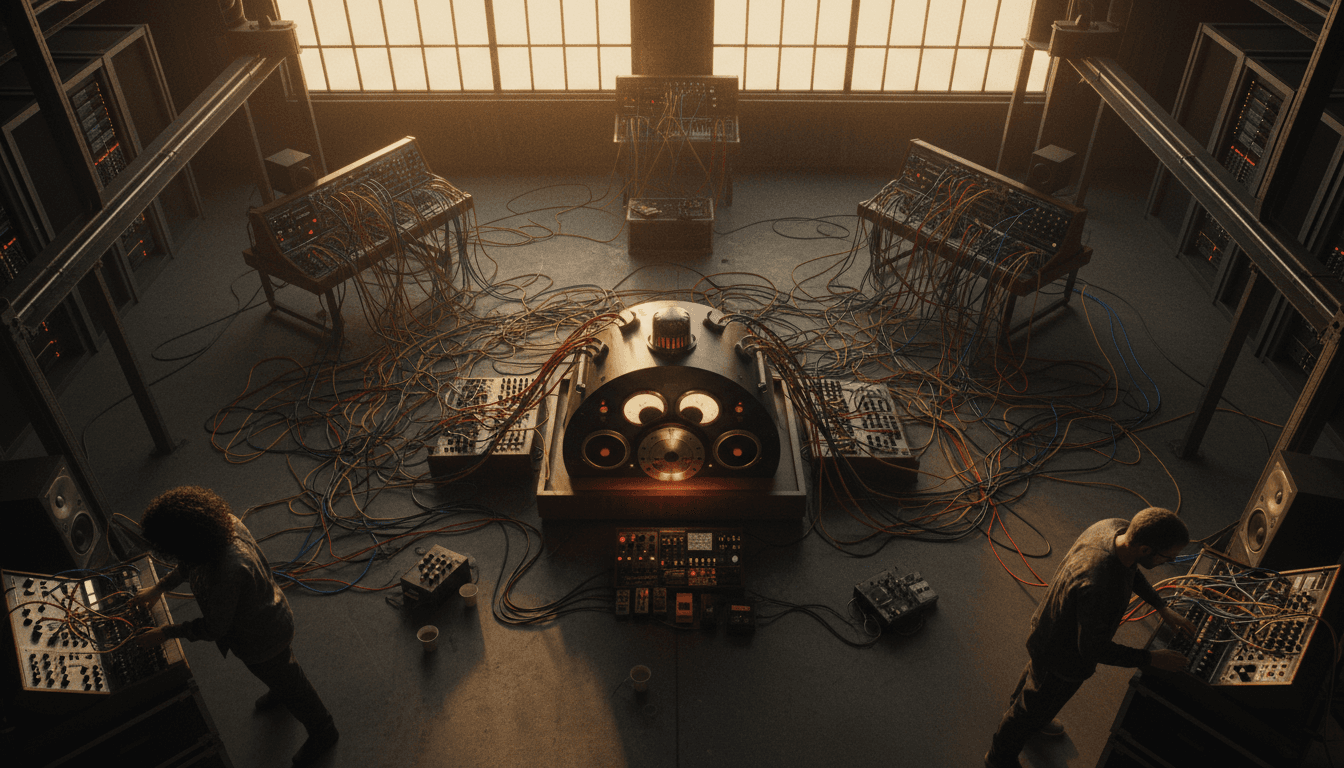
An analog siren for psychedelic soundscapes is challenging traditional genre boundaries, as instruments often get pigeonholed into specific musical styles. For better or worse, there are a few instruments that have been pigeonholed into specific genres of popular music. For example, banjos are often heard in bluegrass or folk, harmonicas in blues or country, and even the iconic 808 drum machine is synonymous with hip-hop and trap. However, a new wave of instrument design is actively seeking to break these molds, with creators exploring innovative ways to repurpose classic sounds and create entirely new sonic palettes.
The push to redefine instrument utility isn’t just about novelty; it’s about expanding creative possibilities for musicians and producers. By decontextualizing an instrument like a siren, traditionally used for warnings or alerts, and integrating it into a musical framework, artists can achieve unique textures and emotional impacts. This approach aligns with a broader trend in music production where experimentation and sound design are paramount, moving beyond conventional instrumentation to explore synthesis, sampling, and effects in unprecedented ways.
The Evolution of Sonic Exploration
The historical trajectory of music technology shows a continuous cycle of innovation and adaptation. From the early days of electronic music with instruments like the Theremin and Ondes Martenot, which offered entirely new timbres, to the proliferation of synthesizers in the 20th century, artists have always sought tools that push the envelope. This latest development, an analog siren for psychedelic soundscapes, represents a modern iteration of this enduring quest. It’s not merely about creating a new sound, but about inspiring new compositional approaches and challenging listeners’ expectations.
“Breaking an instrument free from its genre confines unlocks a universe of untapped creative potential, allowing artists to paint with a much broader sonic brush.”
This movement is particularly relevant in genres like psychedelic music, where unconventional sounds and experimental textures are highly valued. The very nature of psychedelic soundscapes encourages artists to transcend traditional musical structures and embrace abstract, immersive auditory experiences. An analog siren, with its inherent ability to generate sustained, fluctuating tones and dramatic sweeps, becomes an ideal component for crafting such environments, adding a raw, almost primal edge to otherwise ethereal compositions.
Crafting Unique Audio Experiences
The design philosophy behind instruments like this siren often involves deep dives into analog circuitry, leveraging the unique imperfections and warmth that digital emulations struggle to replicate. True analog sounds possess a certain organic quality, a subtle unpredictability that adds character and depth. For a sound designer aiming to create truly immersive and transportive psychedelic soundscapes, the tactile and sonic feedback of an analog instrument is invaluable. It allows for a more intuitive interaction with the sound, enabling nuanced manipulations that contribute significantly to the overall aesthetic.
Furthermore, the integration of an analog siren for psychedelic soundscapes highlights a broader trend in the related Industries news of music technology: the increasing demand for unique, niche instruments that cater to specific artistic visions. While software synthesizers offer incredible versatility, there’s a growing appreciation for hardware that provides a distinct sonic signature and a more hands-on creative process. This siren, therefore, isn’t just a gimmick; it’s a testament to the ongoing innovation within the music tech sector, driven by artists’ relentless pursuit of novel sounds.
Analog Siren for Psychedelic Soundscapes: A Bold New Tool
The impact of such instruments extends beyond individual artists, influencing the broader sound of contemporary music. As more producers experiment with these unconventional tools, their sounds seep into mainstream productions, subtly shifting listener expectations and expanding the sonic vocabulary of popular music. This iterative process of innovation, adoption, and influence is how genres evolve and new musical movements are born. The introduction of an analog siren for psychedelic soundscapes serves as a powerful reminder that the boundaries of music are constantly being redrawn, offering endless possibilities for sonic exploration and creative expression.