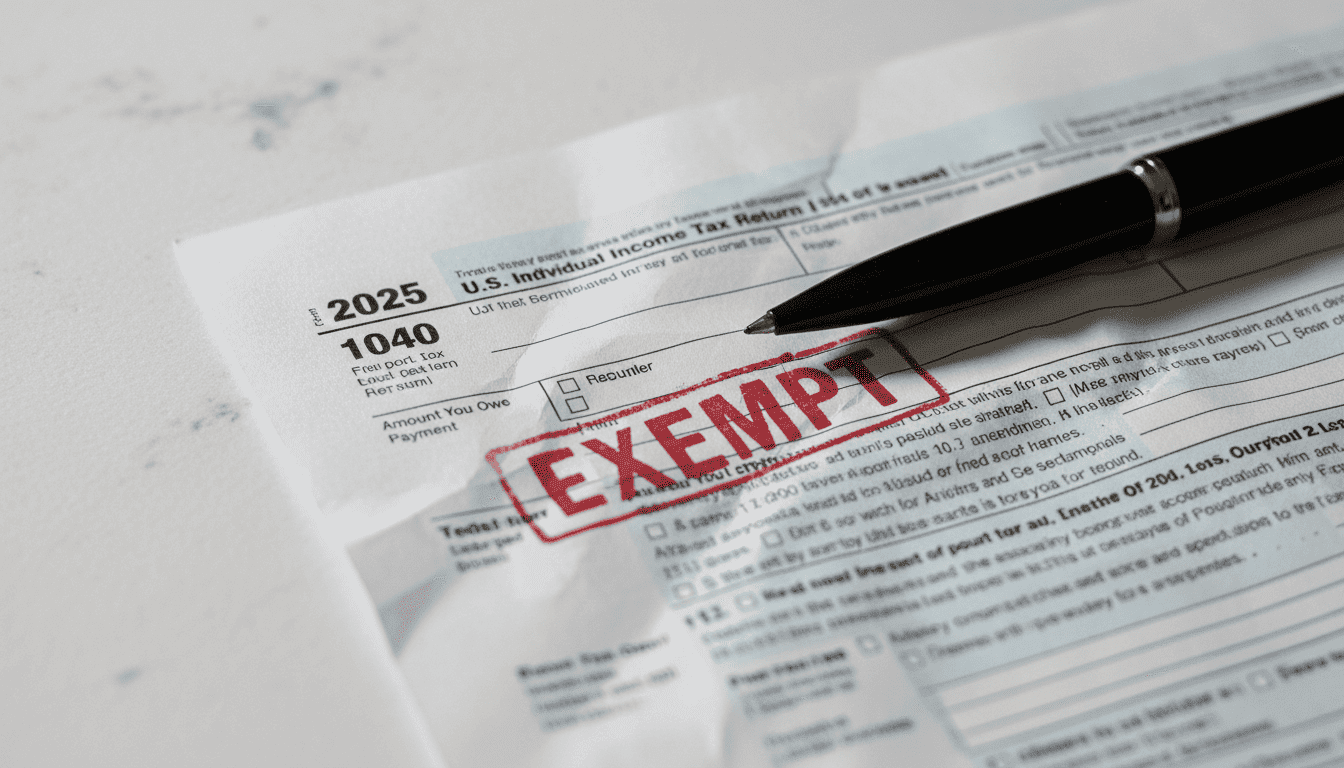
Americans opting out of paying taxes as a political protest is a growing phenomenon, with increasing interest noted across social media and search trends. This surge in tax protest sentiment stems from a wide array of grievances, bridging the political spectrum from concerns over foreign wars and immigration policies to government spending and perceived corruption. While individuals like Jovan Granado-Gomez and Craig Kasamis are publicly advocating for tax strikes by checking ‘exempt’ on W-4 forms or intentionally underpaying, tax experts warn of severe legal and financial repercussions for those who choose not to file or pay their federal income taxes.
The Rising Tide of Tax Protest
Analysis of internet searches by Semrush reveals a ‘rapidly growing interest in tax protests,’ with social media platforms like X seeing millions of impressions on terms like ‘tax strike’ and #2026taxstrike. This sentiment is echoed by anecdotal evidence from tax professionals who are fielding more inquiries from clients about the implications of not paying taxes. Reasons cited for this discontent are diverse, ranging from specific government actions like the war in Iran and ICE operations to broader issues of waste and fraud in public programs. Many protesters believe that withholding funds is the only way to compel politicians to address their concerns.
“When politicians are not working for the people any longer, the best way to get their attention is to stop paying them.”
The strategy often involves wage earners marking ‘exempt’ on their W-4s and self-employed individuals ceasing quarterly estimated tax payments. The money saved is then sometimes placed into high-yield savings accounts, with the intention of either filing an extension and setting up an installment plan, or simply not paying at all. However, this approach is fraught with significant risks.
Understanding the Grave Consequences of Non-Payment
While the idea of a tax strike gains traction, tax experts universally caution against it, emphasizing the substantial legal and financial risks involved. The IRS imposes a failure-to-pay penalty of 0.5% of unpaid tax per month, accumulating up to 25%. A failure-to-file penalty is even steeper at 5% per month, also capped at 25%. Additionally, the IRS charges 7% interest on these penalties, compounding daily. For those who believe the tax code is voluntary, Erin Collins, the IRS National Taxpayer Advocate, clarifies that ‘voluntary compliance’ means taxpayers are expected to calculate and report what they owe, not that taxes are optional.
Beyond penalties and interest, the IRS possesses various enforcement mechanisms. They can compel employers to increase withholding, file a return on the taxpayer’s behalf (often less favorably), and even pursue criminal charges for willful noncompliance. The willful failure to file a tax return is classified as a misdemeanor, with more severe cases potentially leading to felony charges and imprisonment. Despite some protesters banking on an understaffed IRS, experts like attorney Alyssa Whatley warn that increased technological capabilities, including big data and AI, make detection more likely than ever. Stay informed on related Finance news to understand evolving tax regulations.
Dispelling the ‘Voluntary Compliance’ Myth
A significant driver behind the tax protest movement, particularly on platforms like TikTok, is a misunderstanding of the term ‘voluntary compliance.’ Social media videos often misinterpret this as meaning Americans only have to participate in the tax system if they choose to. However, as IRS National Taxpayer Advocate Erin Collins explicitly states, this concept simply means taxpayers are responsible for calculating and reporting their own tax obligations, rather than the government doing it for them. Federal law unequivocally requires taxpayers to file returns and pay any taxes owed on time. Choosing not to do so, regardless of the motivation, carries substantial legal and financial ramifications, including penalties, interest, and potential criminal liability. While expressing dissent is a fundamental right, doing so by violating tax laws is, according to experts, a ‘poor bet’ that can lead to being ‘crushed by government automation.’
The growing sentiment among Americans opting out of paying taxes as a political protest presents a dangerous path for individuals. While frustrations with government actions are understandable, the legal and financial consequences of non-compliance are severe and well-established. Tax experts strongly advise against withholding taxes, emphasizing that lawful avenues exist for expressing concerns without incurring crippling penalties and legal jeopardy. Understanding the true meaning of ‘voluntary compliance’ and the IRS’s enforcement capabilities is crucial for anyone considering such a protest.