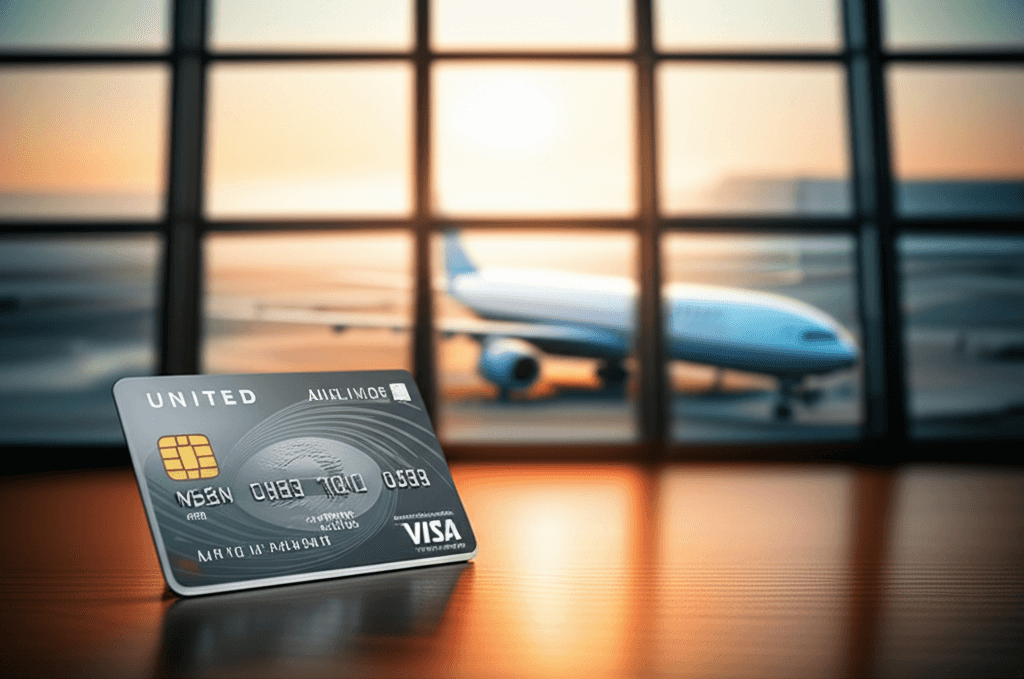
Airline card perks are about to become even more essential for United Airlines flyers. Starting April 2nd, United Airlines cardholders can earn up to twice as many miles as noncardholders when purchasing airfare, and even more if they use the card to purchase the flight, according to the company’s announcement on Thursday. This move is prompting a critical question: Is the card really worth it?
The change to United’s MileagePlus rewards program is one of the biggest moves yet by a major U.S. carrier to reserve premium perks exclusively for cardholders — and experts say it likely won’t be the last. It follows a broader trend of airlines focusing on high-earning business travelers over casual leisure flyers, with credit cards increasingly serving as the gatekeeper to the best travel benefits.
“It’s a copycat industry — I definitely think others will follow,” said Ted Rossman, a senior industry analyst at Bankrate. “We’ve seen these programs become a lot more tied to how much you spend, as opposed to actually how much you fly.”
Michael Taylor, senior managing director of travel, hospitality and retail at consumer-insights group JD Power, agreed — saying co-branded cards are a major source of revenue and profits for these airlines.
“People don’t fly every day, but they can use that card every day,” Taylor said. “Investors are going to be saying to airlines, ‘Are we leaving money on the table?’”
United’s stock closed down nearly 6% Thursday, joining several airlines that recorded their worst trading day in months as U.S.-Iran tensions drove oil prices higher.
Evaluating United Airlines Card Benefits
The new MileagePlus program is good news for existing cardholders. However, frequent United flyers without a card may be left wondering if it’s worth applying to maximize their rewards. For travelers who fly United regularly, especially for business, the math often works, Rossman said. Some travel sites estimate that the new cardholder-only pricing could cut the number of miles required for certain flights by as much as 40% compared with what noncardholders pay. These airline card perks can make a big difference.
For occasional flyers, the card might not be worth its annual fee.
“This is not good news for the family that flies once or twice a year in basic economy,” he said. “People like that have been deprioritized by airlines in recent years.”
When is an Airline Card Worth the Annual Fee?
United currently offers four credit cards with fees ranging from $0 to $695. Midtier options like the Explorer and Quest cards, which carry annual fees of $150 and $350, respectively, pay for themselves quickly for frequent flyers, Rossman noted.
Those cards include perks such as free checked bags, which can offset the annual fee after a few trips. The premium-tier card, while carrying a nearly $700 price tag, offers higher earnings rates on United purchases and access to the airline’s airport lounges. Before choosing any airline-branded card, Taylor said it’s important to ask yourself a few questions:
- Can I afford another credit card?
- Do I understand the rewards this card offers and how to use them?
- Will I realistically earn and redeem enough points to justify the fee?
If the answer is no, an airline credit card may not be the best option.
Alternatives to Airline-Specific Cards
For those who aren’t loyal to a particular airline but still want travel rewards, Rossman suggests considering more general travel cards, like the Capital One Venture X or Chase Sapphire Reserve, which allow you to transfer points to certain airlines. But keep in mind that without a card with United’s logo on it, you’re missing out on the airline’s steepest discounts. However, even with these general cards, accessing the best airline card perks may be out of reach.
“Before now, you could either have a United card and book with United, or have a Sapphire card and transfer Chase Ultimate Rewards points to United MileagePlus,” said Kurt Adams, a senior marketing manager at the travel site Going who specializes in points and miles. “Ultimate Rewards points still transfer to United, but if you want the 40% lower rate, guess what — you’ve got to get a United card.” Consider all options before committing. related Finance news
Ultimately, whether or not the United card is worth it depends on your individual travel habits and spending patterns. Weigh the annual fee against the potential savings and benefits to make an informed decision.
Source: MarketWatch