AI future predictions are becoming increasingly prevalent in our lives, shaping everything from the words we type to the ads we see. As algorithms increasingly dictate our choices, three new books delve into the origins and implications of this shift, arguing that predictions are fundamentally about power and control.
Today, we are bombarded with predictions so frequently that we hardly notice them. Algorithms are constantly trying to anticipate our next move, serving us ads they believe we are most likely to click. This has led to concerns about a ubiquitous predictive layer influencing our lives, raising questions about who benefits from this arrangement.
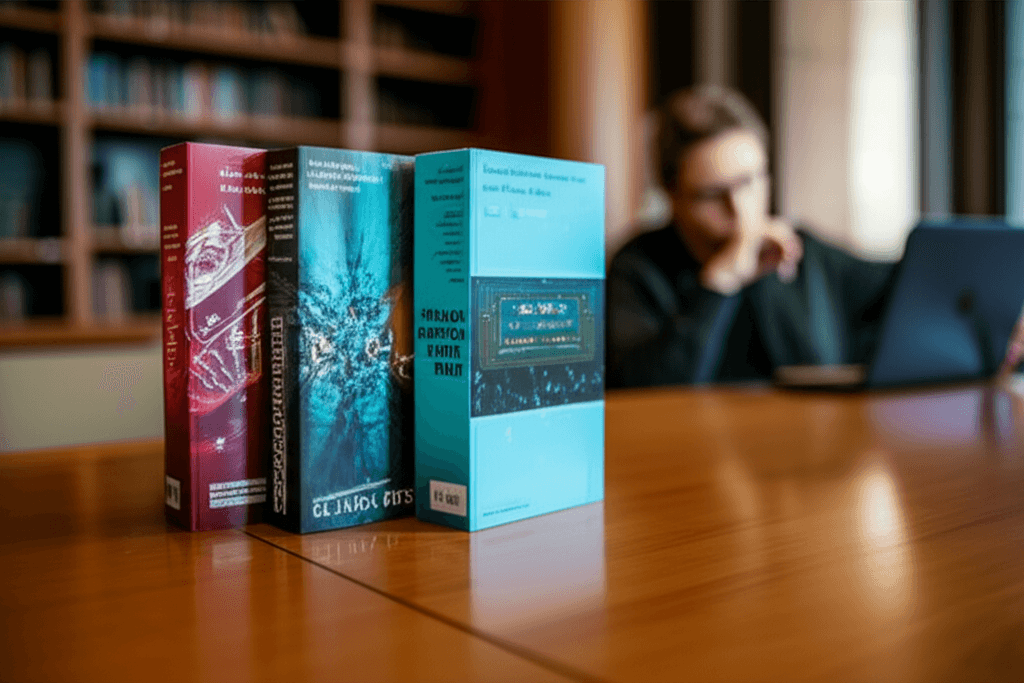
A recent article in MIT Technology Review explores three books that examine this phenomenon: The Means of Prediction: How AI Really Works (and Who Benefits) by Maximilian Kasy, The Irrational Decision: How We Gave Computers the Power to Choose for Us by Benjamin Recht, and Prophecy: Prediction, Power, and the Fight for the Future, from Ancient Oracles to AI by Carissa Véliz.
The Means of Prediction: A Critical Look
Maximilian Kasy’s book, The Means of Prediction, argues that most predictions are based on statistical analysis of patterns in large, labeled data sets, known as supervised learning. These algorithms can then make predictions about various aspects of our lives, such as parole violations, mortgage payments, and job performance. This raises concerns about the impact of these predictions on our lives, potentially leading to a crueler and more instrumentalized world.
Kasy contends that these consequences are not unintended but rather a result of the system working as intended. Algorithms prioritize profit, leading to outcomes that may not be in our best interests. He proposes broad democratic control over data, computational infrastructure, technical expertise, and energy to counter this. This could be achieved through mechanisms like data trusts and corporate taxing schemes.
“If an algorithm selecting what you see on social media promotes outrage, thereby maximizing engagement and ad clicks, that’s because promoting outrage is good for profits from ad sales.”
However, Kasy acknowledges the challenges in implementing these proposals, particularly given the current low public trust in institutions. The question remains whether we have enough time to address these issues.
Challenging Rational Choice Theory
Benjamin Recht’s The Irrational Decision argues that our current predicament is linked to the ideology of decision theory, or rational choice theory. Recht uses the term “mathematical rationality” to describe the statistical conception that drove the development of computers and influenced the problems they would solve.
Recht argues that this belief system, rooted in the Enlightenment, gained traction after World War II. The mathematical models used in the war convinced scientists and statisticians that they could be the basis for designing computers. This led to the idea of a computer as a rational agent capable of making optimal decisions by quantifying uncertainty and maximizing utility. related Industries news
AI Future Predictions and Their Impact
How did we reach a point where machine-mediated prediction is so pervasive? While capitalism may be a contributing factor, it doesn’t explain why algorithms that model climate change also decide on kidney transplants or car loans. The rise of AI is significantly shaping AI future predictions across various sectors.
Recht questions the belief that we should all make decisions like computers, arguing that intuition, morality, and judgment are better ways of addressing some of the world’s most important problems. He points to historical examples of significant advancements made without a formal system of rationality.
How might we demonstrate that (unquantifiable) human intuition, morality, and judgment are better ways of addressing some of the world’s most important and vexing problems?
Carissa Véliz’s Prophecy: Prediction, Power, and the Fight for the Future, from Ancient Oracles to AI explores the historical context of prediction, from ancient oracles to modern AI.
Ultimately, these books highlight the need for critical examination of the role of AI future predictions in our lives and the importance of ensuring that these predictions are used ethically and responsibly.
Source: MIT Technology Review