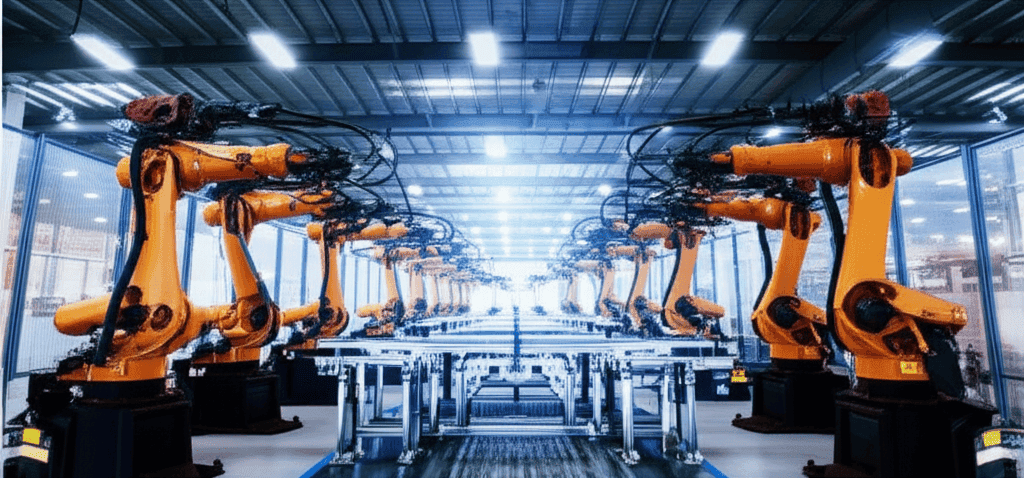
The technological landscape continues its relentless evolution, presenting both immense opportunities and complex challenges for investors and policymakers alike. Recent insights from MIT Technology Review highlight two critical areas demanding attention: the burgeoning market for AI-generated deepfakes and the rapidly transforming world of electric vehicle (EV) batteries. These developments are not merely technological curiosities; they represent fundamental shifts with significant implications for the financial markets, ethical considerations, and the future of key industries.
The Dark Side of AI: Deepfakes and the Market for Misinformation
The rise of AI-powered content creation tools has unlocked unprecedented possibilities, but it has also opened Pandora’s Box. The emergence of marketplaces like Civitai, backed by prominent venture capital firms, where users can buy and sell custom instruction files for generating deepfakes, raises serious ethical and legal concerns. A recent study by researchers at Stanford and Indiana University revealed a disturbing trend: a significant portion of requests on Civitai are for deepfakes of real people, with a staggering 90% of these requests targeting women. This highlights the potential for these technologies to be weaponized for malicious purposes, including the creation of non-consensual pornography and the spread of misinformation.
“The ease and affordability with which these deepfakes can be created pose a significant threat to individuals, particularly women, and underscore the urgent need for robust regulatory frameworks and ethical guidelines.”
The financial implications of this trend are multifaceted. On one hand, companies developing and deploying deepfake detection technologies stand to benefit from increased demand. On the other hand, the potential for reputational damage and legal liabilities associated with the misuse of deepfakes could negatively impact businesses and individuals. Furthermore, the proliferation of deepfakes could erode trust in online content, impacting various sectors, including news media, advertising, and political campaigns. Investors must carefully assess the risks and opportunities associated with this rapidly evolving landscape, prioritizing companies with a strong commitment to ethical AI development and responsible deployment.
Powering the Future: EV Batteries and the Race for Innovation
The electric vehicle revolution is in full swing, driven by increasing consumer demand and government policies aimed at reducing carbon emissions. In 2025, EVs accounted for over a quarter of new vehicle sales globally, with some regions, like China, seeing even higher adoption rates. This surge in EV sales has fueled a corresponding boom in the battery market, creating a dynamic and competitive landscape. As the demand for EVs continues to grow, innovation in battery technology will be crucial to improving performance, reducing costs, and addressing environmental concerns.
Several key trends are shaping the future of EV batteries. Solid-state batteries, which offer higher energy density and improved safety compared to traditional lithium-ion batteries, are gaining traction. Advancements in battery management systems (BMS) are also playing a critical role in optimizing performance and extending battery life. Furthermore, the development of sustainable battery materials and recycling processes is essential to minimizing the environmental impact of EV batteries. The race to develop the next generation of EV batteries is attracting significant investment from both established automakers and emerging technology companies. Investors should focus on companies that are leading the way in these areas, with a proven track record of innovation and a commitment to sustainability.
Navigating the Technological Frontier: A Call for Vigilance and Innovation
The rapid pace of technological change presents both challenges and opportunities for the financial markets. The rise of AI-generated deepfakes highlights the need for increased vigilance and the development of effective detection and prevention technologies. The EV battery market, on the other hand, offers significant growth potential for companies that are able to innovate and adapt to changing consumer demands and regulatory requirements. Investors must carefully assess the risks and opportunities associated with these trends, prioritizing companies with a strong commitment to ethical practices, sustainable development, and responsible innovation. The future of the financial markets will be shaped by those who are able to navigate the complexities of the technological frontier and capitalize on the transformative power of emerging technologies.
Source: MIT Technology Review