Abdulsamad Rabiu’s stunning growth on Forbes’ list of Africa’s richest people this year is not merely a testament to market forces, but a validation of a meticulously executed industrial strategy focused on processing, producing at scale, and retaining value on the African continent. The founder and Executive Chairman of BUA Group has seen his net worth surge by an impressive $6.1 billion to $11.2 billion, propelling him to the third wealthiest individual in Africa, directly behind South African luxury goods magnate Johann Rupert.
This remarkable ascent isn’t a sudden windfall but the culmination of strategic investments and operational efficiencies. As Rabiu himself articulated to Forbes Africa, “The market has responded. But that is just a trailing indicator of what we had built into the business off the back of 2024.” He points specifically to BUA Cement, a key subsidiary, which saw its share price escalate by an astounding 135%, contributing significantly to his expanded valuation. This growth was underpinned by a 380% increase in profit after tax in 2024, driven by enhanced efficiency and a substantial reduction in foreign exchange (FX)-related losses.
Building Africa’s Future: Cement and Food
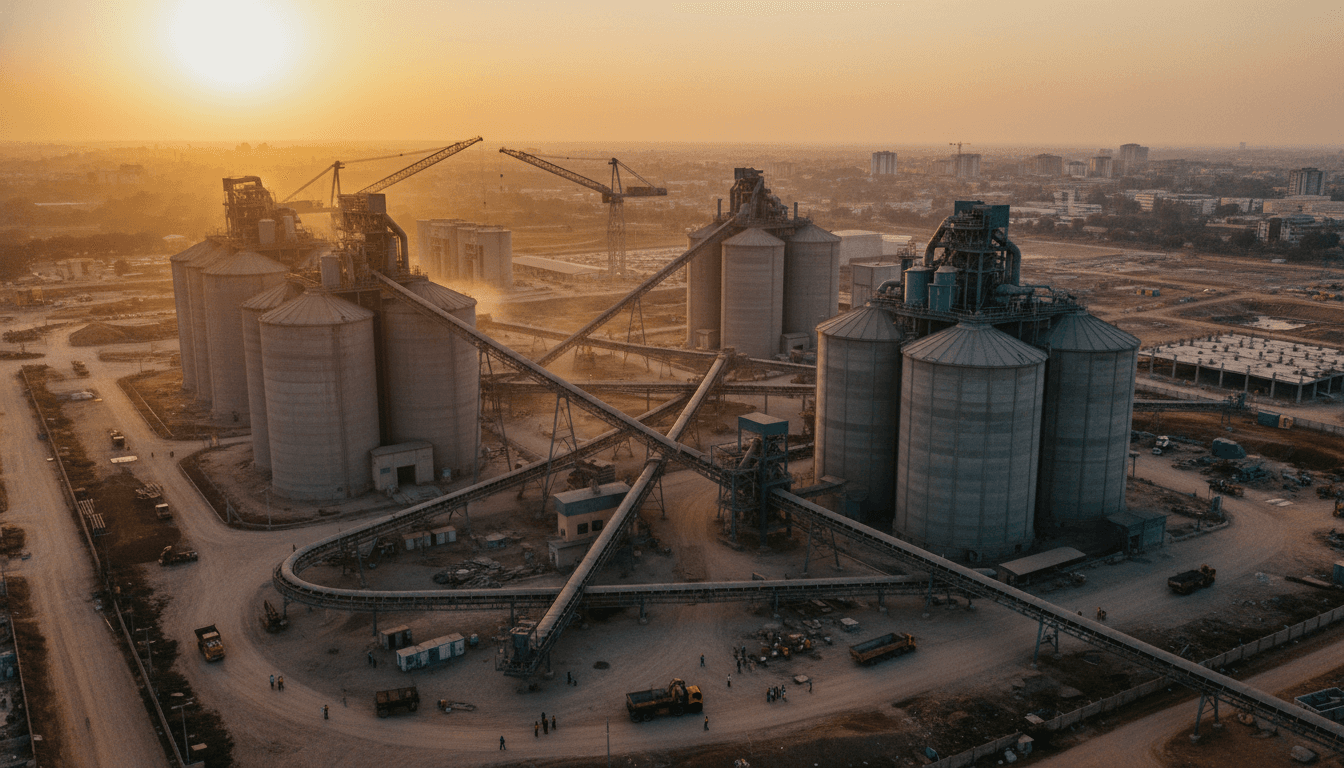
Rabiu’s strategic foresight is evident in his long-term bets on fundamental human needs: infrastructure and sustenance. The burgeoning demand for cement across Nigeria and West Africa, fueled by expanding road networks and rapidly growing populations, was a trend he identified early. BUA Cement, which commenced operations in 2008, is now aggressively expanding its capacity. “We have kicked-off expansions across both our Sokoto and Edo ultra-modern plants, so, by 2027/2028, we should be looking at about 23 million metric tons a year. Our strategy is simple: position ahead of the demand,” Rabiu stated, underscoring a proactive approach to market dynamics.
Parallel to cement, BUA Group’s BUA Foods arm addresses the equally critical need for food security. With bags of flour, rice, and sugar moving through its extensive warehouses, BUA Foods reported a 91% increase in profit after tax in 2025. This was a direct result of strategic investments in milling, refining, and distribution infrastructure. For Rabiu, the impact extends beyond mere financials: “If cement is about building infrastructure, food is about sustaining life.” This philosophy highlights a deep understanding of the continent’s foundational requirements for development and stability. Investors looking for robust, long-term plays in essential sectors might find more success stories rooted in similar principles.
“The industrialist belongs to the school of thought that Africa’s growth will not come from what it exports, but from what it makes.”
The Next Frontier: Energy Independence
Rabiu’s most ambitious undertaking yet is a 200,000-barrel-per-day refinery and petrochemicals plant under development in Akwa Ibom state, southern Nigeria. This venture directly addresses a critical vulnerability for Africa’s largest oil producer, which has historically relied heavily on imported refined petroleum products. “Work is ongoing. We’re moving in phases to make sure we get it right. The refinery will help address this gap while supporting the country’s broader energy security objectives,” Rabiu explained. This move aligns with a broader continental shift towards industrialization, exemplified by Aliko Dangote’s refinery, which began exporting refined fuel across Africa in 2024 after reaching full production capacity. This trend signals a decisive pivot away from raw material export towards value addition within Africa.
A Pan-African Vision for Industrialization
Abdulsamad Rabiu’s stunning growth is not just about personal wealth; it’s a blueprint for African industrialization. He champions policies that foster long-term investment in manufacturing, including reliable infrastructure, stable regulatory environments, access to financing, and robust regional trade integration. The African Continental Free Trade Area (AfCFTA) framework is seen as a pivotal enabler for his vision of a pan-African industrial conglomerate. While acknowledging the role of Artificial Intelligence, Rabiu views it as an efficiency tool – optimizing production, supply chains, and demand forecasting – rather than a substitute for the tangible industrial development Africa urgently requires. This pragmatic approach to technology integration, combined with a focus on fundamental industries, positions BUA Group and its visionary leader for sustained impact across the continent. His journey offers valuable insights for investors assessing the long-term potential of African markets.