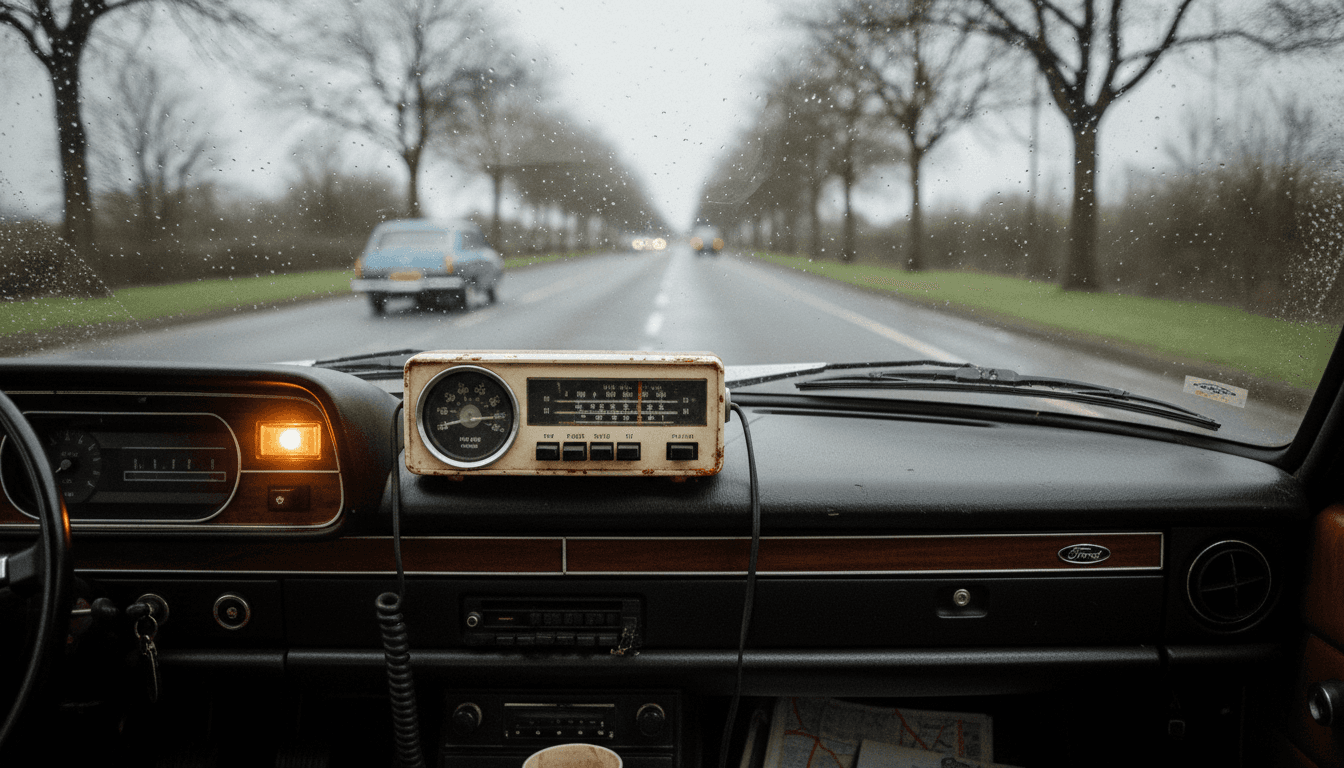
The 934 MHz CB radio band represents a fascinating, almost forgotten chapter in UK radio history, where government reluctance and technological limitations converged to create a unique, niche experience for enthusiasts. In the mid-1970s, a wave of American films romanticizing the trucking lifestyle, complete with their ubiquitous CB radios, sparked a similar craze across the Atlantic. British drivers, inspired by cinematic heroes like Burt Reynolds in Smokey and the Bandit, began modifying their Ford Capris and, crucially, sought out CB radios – then highly illegal.
This underground movement eventually forced the UK government’s hand, leading to the legalization of CB radio in 1981. However, the authorities’ apprehension was palpable. They introduced 27 MHz CB with significant restrictions: FM-only operation, meager power output, and a non-standard set of frequencies. Alongside this, they allocated a second band much higher in the UHF range: 934 MHz. This UHF allocation was initially envisioned as the primary band, precisely because its characteristics made it far less suitable for mobile communication, effectively limiting its reach and appeal. Only through persistent political lobbying did the 27 MHz band become available to the public.
The Exclusive World of 934 MHz CB Radio
The story of the 934 MHz CB radio band is one of exclusivity, largely driven by the scarcity and expense of the equipment required. Unlike its raucous 27 MHz counterpart, which quickly became a mainstream communication tool, the 934 MHz band fostered a more insular community. It drew parallels with amateur radio bands, where dedicated enthusiasts, often with deeper pockets, engaged in more specialized communication. Activity levels on the 934 MHz band varied dramatically by region, reflecting the localized nature of its adoption and the limited availability of compatible gear.
“The government’s initial strategy for 934 MHz CB radio clearly aimed to contain the ‘CB craze’ by offering a technically challenging and economically prohibitive alternative, hoping to stifle widespread adoption.”
This strategic allocation highlights a recurring theme in regulatory history: the tension between public demand for new technologies and governmental control over valuable spectrum. The unique frequencies and technical specifications for UK CB, particularly on 27 MHz, were likely a deliberate attempt to prevent the easy import and use of higher-powered, non-compliant equipment from the US. This protective measure, while perhaps frustrating for enthusiasts, demonstrates a clear intent to manage the nascent CB landscape.
From Niche Band to Mobile Spectrum
Ultimately, the limited adoption and specialized nature of the 934 MHz band made it an attractive target for reallocation. The government, always on the lookout for revenue opportunities, eventually reclaimed the frequencies. The original intention was to repurpose them for a new mobile radio service, a service that, ironically, never fully materialized. Today, those same frequencies are an integral part of the modern mobile phone spectrum, a testament to the rapid evolution of wireless communication and the constant re-evaluation of spectrum utility.
Legacy and Lessons from UK Radio History
The journey of the 934 MHz band offers a compelling glimpse into UK radio history, illustrating how regulatory decisions, technological constraints, and user demand shaped the landscape of personal communication. From the romanticized image of American truckers to the eventual integration into today’s mobile networks, this specific frequency range serves as a powerful reminder of the dynamic nature of spectrum allocation and the enduring allure of radio communication. It underscores how governmental policy can profoundly influence the trajectory of emerging technologies, sometimes inadvertently creating unique subcultures in the process.