A new report details how modern environmental crises and population growth are inextricably linked, with a recent paper from Negative Population Growth, Inc. (NPG) highlighting the escalating pressures on natural systems across the United States and globally. Published on June 11, 2026, the Forum paper, titled Under Pressure: How Population is Putting the US and Our Planet in Peril, was authored by environmental studies expert Nathanial Gronewold. It argues that continued population expansion is intensifying a range of complex environmental challenges, from widespread plastic pollution to the accelerating loss of biodiversity and critical freshwater depletion.
Gronewold’s paper critically examines the trajectory of environmental protection, contrasting past successes with present-day complexities. He acknowledges the significant progress made in the latter half of the twentieth century through landmark U.S. legislation like the Clean Air Act and Clean Water Act. These laws, he notes, led to substantial environmental improvements even as the U.S. population grew by approximately 140 million people. However, Gronewold contends that today’s environmental crises are fundamentally different in their nature, scale, and resistance to traditional legislative remedies.
“Today, we’re facing environmental crises related to overpopulation: our plastic-filled oceans, groundwater depletion, over-fishing, a new extinction crisis, and climate change, just to name a few,” Gronewold writes. “No eco-legislation wave is coming to save us this time.”
Modern Environmental Crises and Population Growth Intersect
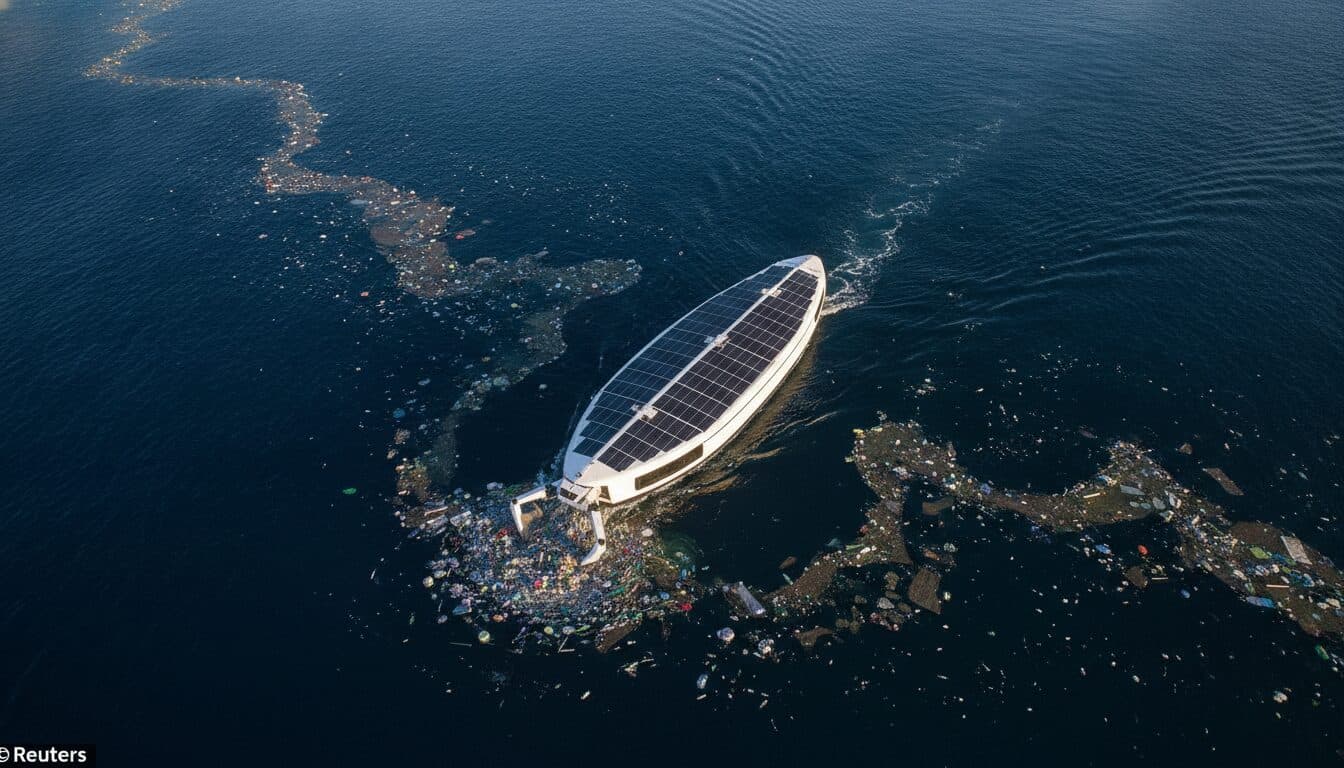
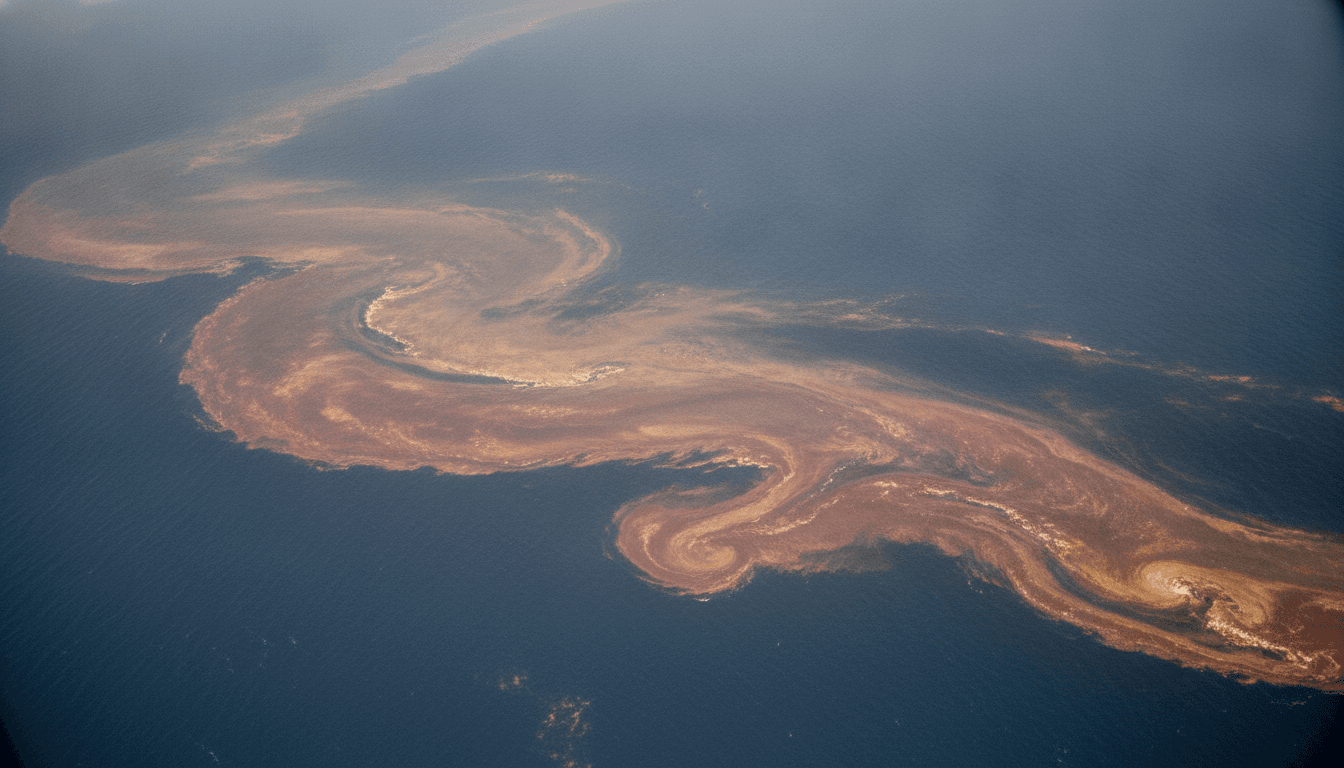
The report delves into several pressing issues, emphasizing the role of expanding populations and consumption patterns. Ocean plastic pollution, for instance, is cited as a stark indicator of humanity’s inability to cope with its waste output. Gronewold points to the burgeoning Great Pacific Garbage Patch and the pervasive spread of microplastics, which have now infiltrated ecosystems and even the human body. This escalating crisis, he asserts, is driven by rising consumption directly tied to population and economic growth.
Biodiversity loss is another central theme, with the paper noting a sharp decline in global wildlife populations. Habitat destruction, fueled by urban expansion and agricultural development, continues to displace species worldwide. “It’s not just that we are losing species,” Gronewold states, “The world’s wildlife population is far lower today than at any other time in human history.” This decline represents a profound ecological shift with long-term implications for ecosystem stability and human well-being.
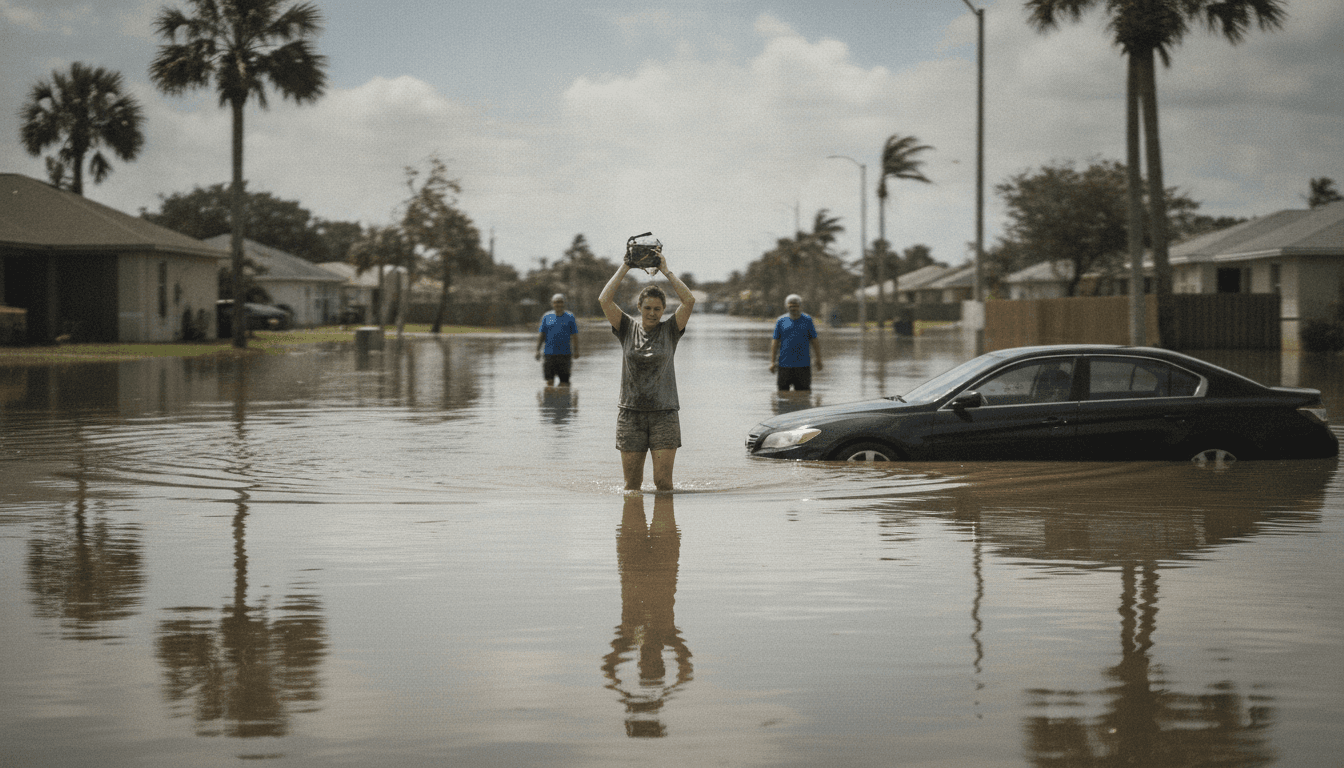
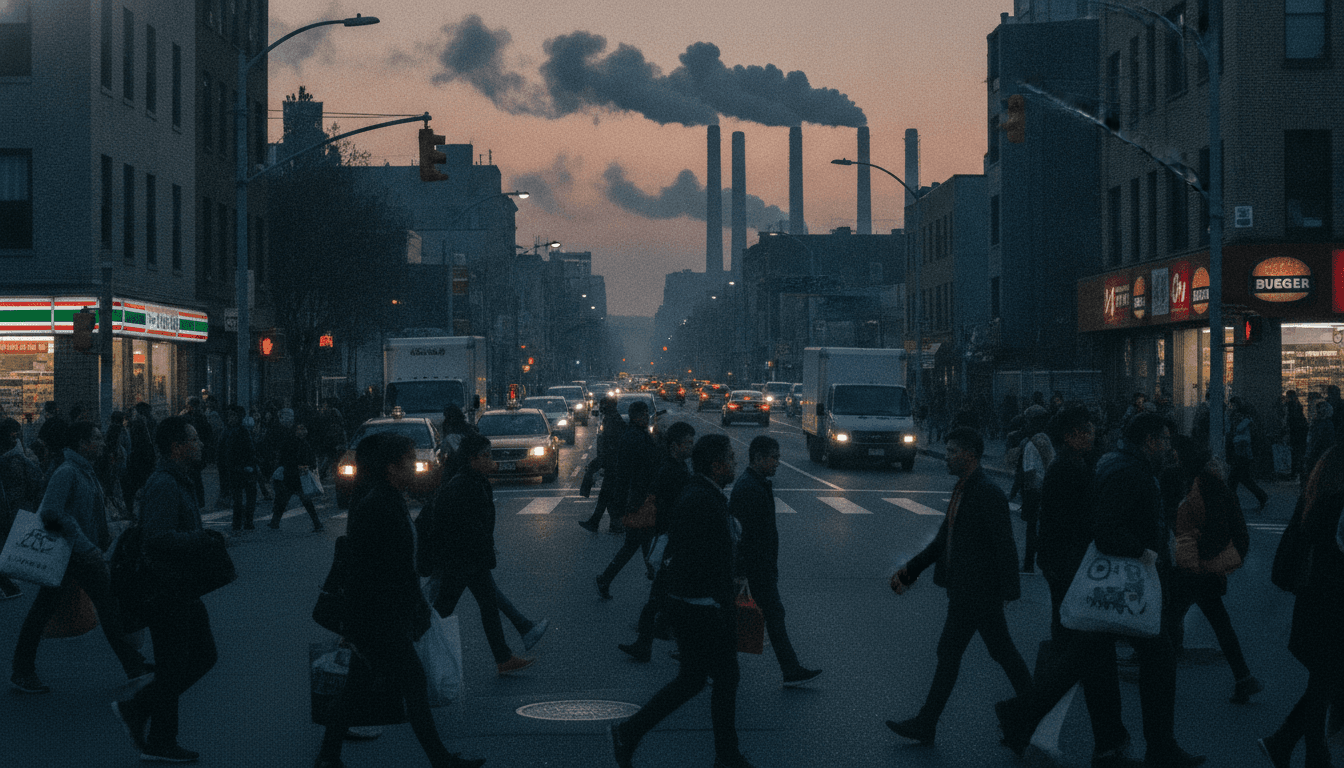
Climate change and freshwater scarcity are also highlighted as critical challenges exacerbated by population growth. Gronewold underscores the reality of increasing greenhouse gas emissions, rising global temperatures, severe heat events, shrinking snowpack, and worsening drought conditions, particularly across the American West. He explicitly states, “Climate change – it’s real and it’s getting worse – despite the current US government position on this topic.” The paper further warns that burgeoning populations and their associated demand for resources are exerting unsustainable pressure on vital freshwater systems, including the Colorado River and the Ogallala Aquifer. “Booming populations have taxed groundwater and surface water to their limits,” Gronewold asserts. “Now, the world’s climate is no longer cooperating or helping us keep ahead of overuse.”
NPG, an organization dedicated to addressing the impacts of overpopulation since 1972, maintains that continued demographic expansion is a significant driver of environmental degradation, habitat loss, and resource depletion. The organization advocates for greater public awareness and discussion surrounding population growth as a prerequisite for building a more sustainable future. As global debates continue over climate resilience, conservation strategies, infrastructure development, and resource allocation, NPG argues that acknowledging the environmental impacts of population growth is essential for protecting biodiversity, preserving natural resources, and ensuring long-term environmental sustainability. For more insights into these challenges, related environment & climate articles offer further context.
NPG’s commitment extends beyond identifying problems; they propose solutions, advocating for their Proposed National Population Policy. This policy aims to stabilize the U.S. population at a sustainable level, significantly lower than current figures. The organization believes that a steadfast commitment to reducing population growth is crucial for achieving a balanced relationship with our environmental resources, positioning itself as a leading voice in a world often focused on perpetual growth.
The findings presented in NPG’s latest Forum paper serve as a potent reminder that while technological advancements and legislative efforts have historically mitigated some environmental harms, the scale and complexity of contemporary crises demand a re-evaluation of fundamental drivers, with population growth standing out as a critical, often understated, factor. Addressing these interconnected challenges will require a comprehensive approach that integrates environmental protection with a nuanced understanding of demographic trends and their ecological footprint.