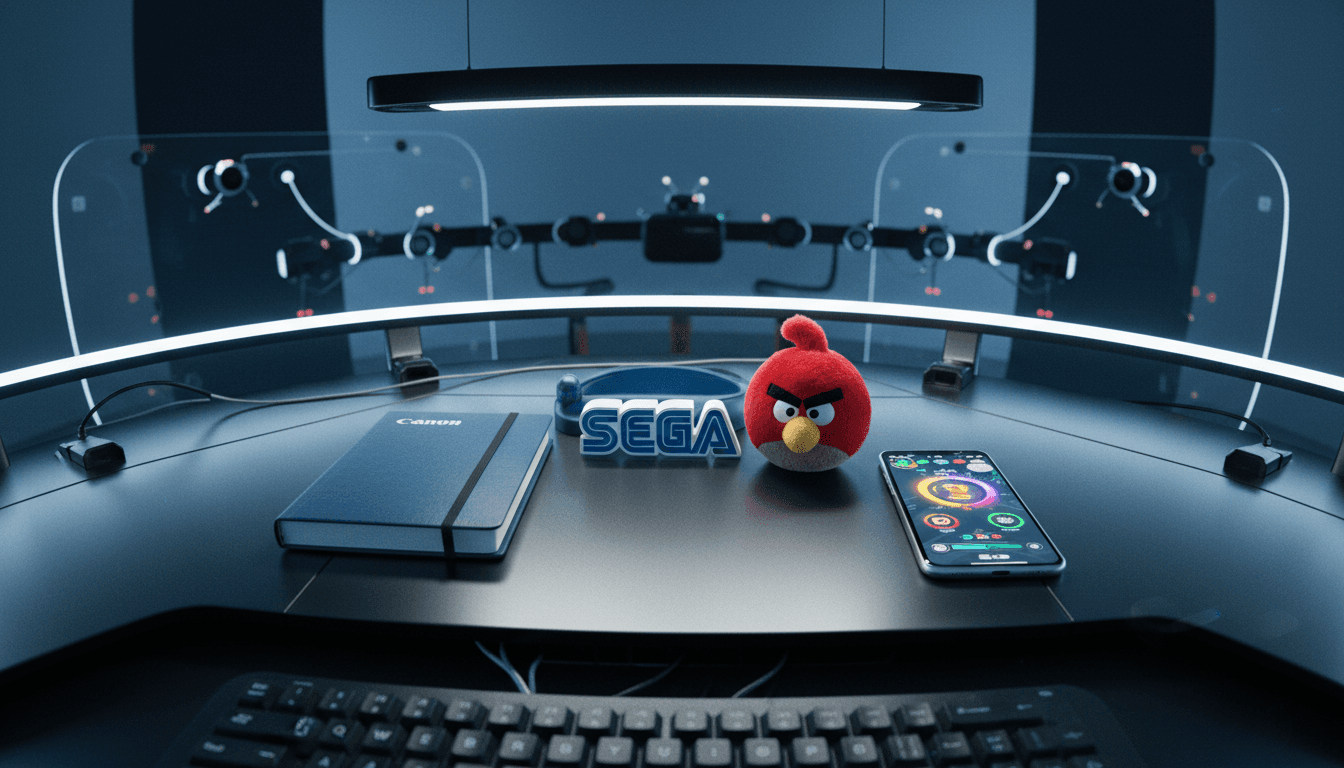
A stunning Sega Rovio write-down of $200 million has sent ripples through the gaming industry, as the Japanese publisher moved to address investor concerns on Thursday, March 12, 2026. This significant impairment charge, directly related to its acquisition of mobile gaming giant Rovio Entertainment, highlights the volatile nature of large-scale mergers and the challenges of integrating diverse gaming ecosystems. The write-down underscores the intense scrutiny faced by companies making substantial investments in the mobile sector, particularly when initial expectations for synergy and growth do not materialize as rapidly as anticipated.
Sega’s acquisition of Rovio, known globally for the ‘Angry Birds’ franchise, was heralded as a strategic move to bolster its mobile gaming presence and diversify its portfolio beyond console and PC titles. However, the $200 million impairment indicates that the financial performance of Rovio, or the synergies expected from the merger, have not met Sega’s internal projections. This move is a stark reminder that even well-established franchises and studios can present integration hurdles and market challenges that impact the acquiring company’s balance sheet. Analysts are now closely examining Sega’s broader mobile strategy and its ability to leverage its intellectual property across different platforms effectively.
The Business Impact of the Sega Rovio Write-Down
The financial dimensions of this event are considerable. An impairment write-down essentially means that the carrying value of an asset on a company’s balance sheet is reduced because its fair value is deemed to be lower than what it was previously recorded at. For Sega, this $200 million adjustment will directly impact its profitability for the current fiscal period, although it is a non-cash expense. The immediate market reaction often involves investor apprehension, leading to potential fluctuations in stock prices as shareholders digest the news and re-evaluate the company’s future earnings potential. This kind of announcement can also trigger broader questions about the valuation of other mobile gaming companies and the sustainability of high acquisition multiples in the industry.
For the gaming industry landscape, this write-down serves as a cautionary tale for other publishers eyeing large-scale acquisitions. It emphasizes the importance of thorough due diligence, realistic post-merger integration plans, and adaptable strategies in a rapidly evolving market. While mobile gaming continues to be a lucrative segment, achieving sustained growth and profitability requires more than just owning popular IP. It demands innovative content, effective monetization, and agile operational management. The news could lead to increased scrutiny of future M&A activities within the sector, potentially making investors more cautious about deals that command high valuations without clear, immediate pathways to synergy and return on investment.
Industry Context and Future Implications
This event unfolds within a dynamic industry context. The mobile gaming market, while massive, is also intensely competitive and subject to shifting trends, privacy changes (like Apple’s App Tracking Transparency), and increasing user acquisition costs. Many traditional console and PC publishers have sought to expand into mobile to tap into its broader audience and recurring revenue streams. However, success is not guaranteed. Competitors like Microsoft, with its acquisition of Activision Blizzard King, and Sony, through various strategic investments, are also navigating the complexities of multi-platform gaming. The challenge for companies like Sega is not just to acquire, but to effectively integrate and innovate across these diverse segments.
Historically, the gaming industry has seen numerous acquisitions where the promised synergies or financial returns have been elusive. This Sega Rovio write-down adds another data point to that narrative, highlighting the inherent risks. Looking ahead, the focus will be on Sega’s revised strategy for Rovio and its mobile division. Will there be new initiatives to revitalize the ‘Angry Birds’ franchise? Are there plans for deeper integration of Rovio’s expertise into Sega’s broader mobile development? Analysts will be keenly watching for any announcements regarding new game releases, changes in leadership, or strategic shifts that could address the underlying issues leading to this impairment. The long-term success of the acquisition will depend on Sega’s ability to turn this setback into a learning opportunity and recalibrate its approach.
The implications extend beyond just Sega and Rovio. This situation could influence how investors and analysts value other mobile-first companies and how they scrutinize proposed mergers and acquisitions in the future. The emphasis will likely shift towards demonstrable operational efficiencies and clear paths to profitability post-acquisition, rather than relying solely on brand recognition or user base size. The gaming industry is still ripe for consolidation, but this recent development suggests a more cautious approach may be warranted by both buyers and sellers.
“This write-down is a critical reminder that even established IP requires constant innovation and strategic alignment to thrive in the competitive mobile landscape. Integration challenges are real, and financial prudence is paramount.”
The path forward for Sega will involve demonstrating a clear strategy to maximize the value of its Rovio investment. This could include leveraging Rovio’s mobile expertise for other Sega IPs, expanding into new mobile genres, or optimizing existing titles for greater engagement and monetization. The company’s future financial reports and investor calls will be closely scrutinized for insights into these plans. The industry will be watching to see if Sega can rebound from this significant financial adjustment and prove the long-term strategic value of the Rovio acquisition. This event underscores the constant need for adaptability and strategic foresight in the ever-evolving world of gaming business, reminding us that even massive investments come with inherent risks and the potential for unexpected financial adjustments. Related gaming articles often cover the complexities of these large-scale deals.