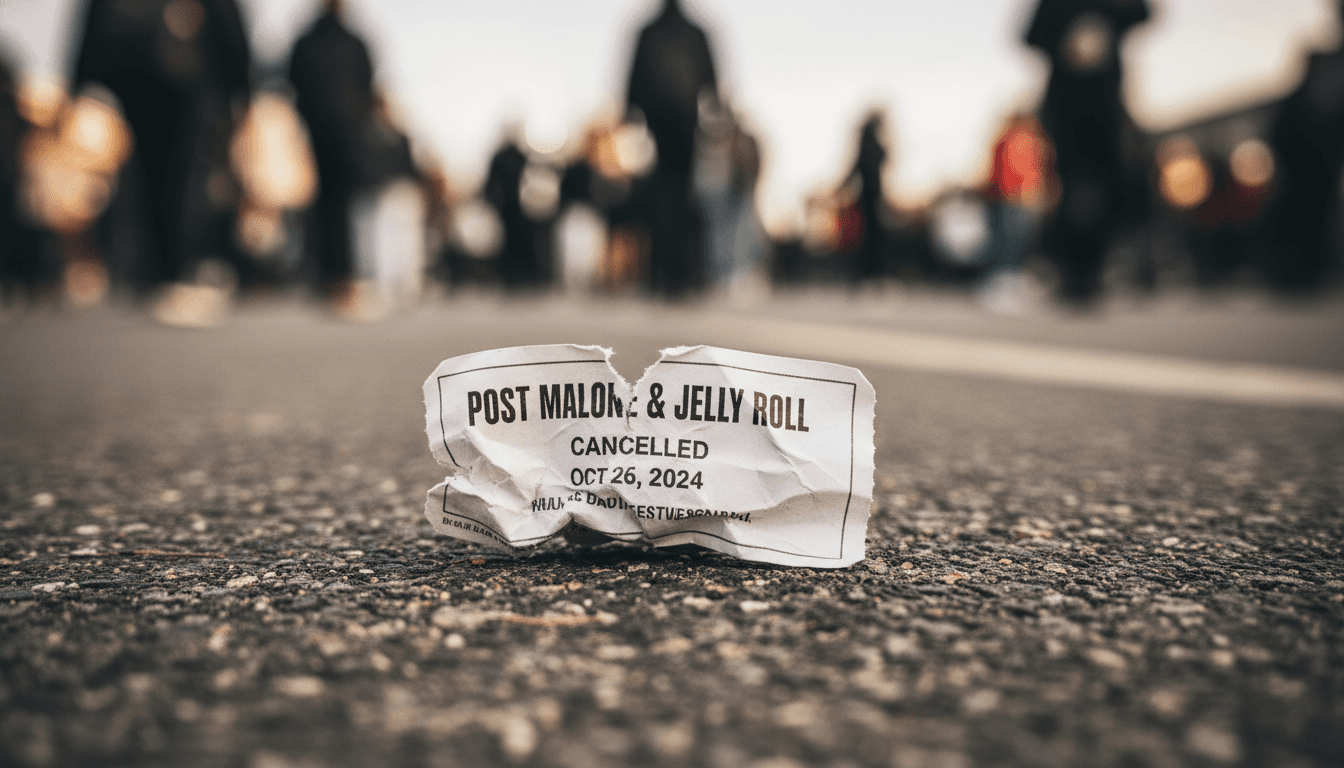
Poor ticket sales forced Post Malone to cancel multiple concerts with Jelly Roll, a significant setback for the artist ahead of a new album drop. This development, reported on Sunday, May 3, 2026, highlights a challenging environment for even established artists in the touring industry, raising questions about market saturation and fan engagement in the current economic climate.
The Story Unfolds: A Cancelled Tour Segment
The news that Post Malone, a multi-platinum selling artist, had to pull the plug on several joint performances with Jelly Roll due to abysmal ticket sales has sent ripples through the music industry. While the exact number of cancelled dates and specific locations were not detailed in the initial report, the implication is clear: fan demand did not meet expectations for these particular shows. This comes at a critical juncture for Post Malone, who is reportedly on the cusp of releasing new music, typically a period when artists leverage live performances to build momentum and promote upcoming work. The decision to cancel suggests a deep concern over financial viability, as the costs associated with touring – including venue rentals, crew salaries, and logistical expenses – are substantial and require robust ticket revenue to offset.
“The cancellation of shows due to poor ticket sales, especially for an artist of Post Malone’s caliber, underscores the volatile nature of the live music market today. It’s a stark reminder that even star power isn’t always enough to guarantee a sell-out.”
Jelly Roll, an artist who has seen a significant rise in popularity in recent years, was set to co-headline or support these dates. The shared bill was likely an attempt to broaden appeal and draw diverse fan bases, a common strategy in an increasingly competitive touring landscape. However, the combined star power was evidently insufficient to move enough tickets, leading to the unfortunate cancellations.
Impact Analysis: Broader Show Business Implications
This incident carries significant implications for the broader show business landscape. Firstly, it signals a potential shift in consumer behavior within the live music sector. High ticket prices, coupled with economic uncertainties, may be making fans more selective about which concerts they attend. Artists and promoters are increasingly grappling with the challenge of balancing affordability for fans with the escalating costs of putting on a major production. The news could prompt a re-evaluation of tour strategies, pricing models, and even artist pairings for future events.
Secondly, the timing of these cancellations, just before a new album release, is particularly detrimental for Post Malone. Tour dates are crucial promotional vehicles, generating buzz, media coverage, and direct engagement with fans that often translates into album sales and streaming numbers. The absence of these planned performances could dampen the initial impact of his new material, forcing his team to devise alternative promotional strategies. This situation also highlights the interconnectedness of various revenue streams in the music industry; a weak touring segment can negatively affect other critical areas like music sales and merchandise.
For other artists and their management teams, this serves as a cautionary tale. It reinforces the need for meticulous market research, realistic expectations, and agile planning in an environment where audience demand can be unpredictable. Related show business articles have frequently discussed the increasing competition for discretionary income, and these cancellations offer concrete evidence of that pressure.
Context & Background: A Shifting Industry Tide
The live music industry has undergone significant transformations in recent years. The post-pandemic surge initially saw record demand and soaring ticket prices, but that fervor appears to be leveling off. Fans, now accustomed to a wealth of entertainment options, are more discerning. Moreover, the sheer volume of artists touring simultaneously means that the market can quickly become oversaturated, making it difficult for even popular acts to stand out and fill large venues. The struggle with poor ticket sales forced Post Malone’s team to make a tough call, illustrating the ongoing challenges.
Historically, major artists could almost guarantee sell-out tours, leveraging their immense fan bases. However, the rise of streaming, the proliferation of festivals, and the increasing cost of living have all contributed to a more complex ecosystem. Artists are no longer just competing with each other, but with every other form of entertainment vying for consumers’ attention and wallets. This incident is not an isolated one; whispers of other artists struggling to fill venues have been circulating, indicating a broader trend that warrants close observation.
What’s Next: Re-strategizing and Rebuilding Momentum
For Post Malone, the immediate future will involve a re-evaluation of his promotional plans for the upcoming album. This might include increased digital marketing efforts, more intimate promotional appearances, or a revised touring schedule focusing on markets with historically stronger demand. His team will undoubtedly analyze the factors contributing to the poor ticket sales for these specific dates to inform future decisions. Jelly Roll’s team will also need to assess the impact on their own touring plans and adjust accordingly.
The broader industry will be watching closely to see how this situation evolves. Promoters and venues may become more cautious in booking tours, demanding more robust sales projections and flexible cancellation clauses. We could also see a renewed emphasis on dynamic pricing strategies and fan engagement initiatives designed to incentivize early ticket purchases and build loyalty. The incident underscores the dynamic nature of the entertainment business, where success is never guaranteed, and constant adaptation is key.
Key Takeaway: The Enduring Challenge of Live Performance
The core takeaway from Post Malone’s concert cancellations due to poor ticket sales forced by insufficient demand is a clear message about the current state of the live music industry. Even multi-platinum artists are not immune to market forces, and the era of guaranteed sell-outs for every major act may be waning. This situation highlights the evolving relationship between artists, fans, and the economics of touring, emphasizing that strategic planning, adaptability, and a keen understanding of consumer behavior are more critical than ever for sustained success in show business. The incident serves as a bellwether, signaling a potentially more challenging period for live events that will require innovative solutions from all stakeholders.