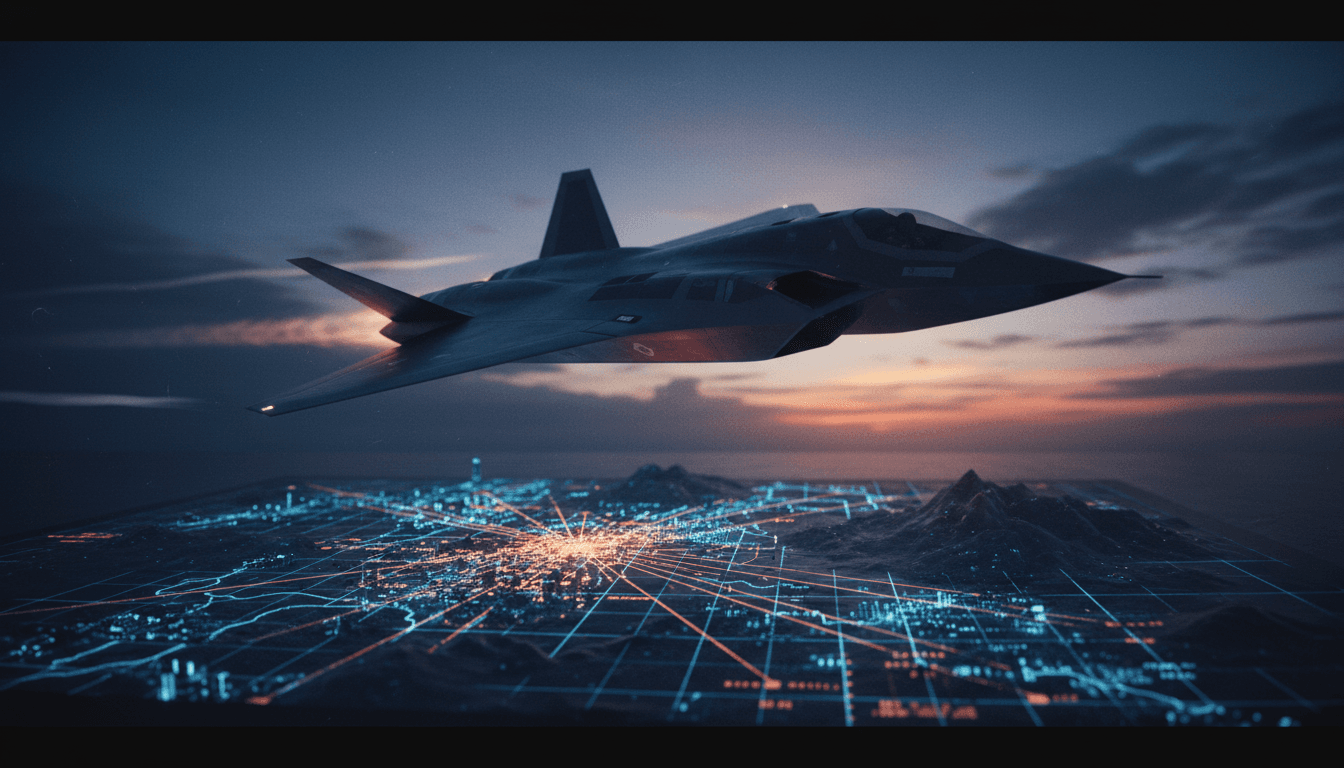
A bold Pakistan China stealth deal, valued at an unprecedented $12 billion, has sent ripples through the global defense and geopolitical landscape, with significant, albeit indirect, implications for the gaming industry. While primarily a military agreement, the scale and nature of this collaboration between Pakistan and China, announced on Sunday, April 12, 2026, inherently influence the themes, technologies, and market dynamics within the military simulation and strategy gaming sectors.
The Geopolitical Chessboard and Gaming’s Reflection
The deal, centered on advanced stealth and missile defense capabilities, positions Pakistan with a significant technological edge, particularly “against India,” as highlighted by the Times of Islamabad. This strategic shift is not just a headline for defense analysts; it’s a potential goldmine for game developers specializing in geopolitical strategy, military simulation, and even first-person shooters that draw inspiration from contemporary conflicts and advanced weaponry. The infusion of cutting-edge stealth technology and sophisticated missile defense systems into a major regional power’s arsenal provides rich narrative fodder and technical specifications for game designers striving for realism and topical relevance.
The financial scale of the Pakistan China stealth deal itself – $12 billion – underscores the massive investments being made in defense innovation. For gaming, this translates into a higher expectation for fidelity in depicting modern warfare. Players and enthusiasts demand accurate representations of these advanced systems, from their operational capabilities to their tactical deployment. Studios that can effectively integrate these emerging defense paradigms into their titles are likely to capture significant market share.
Market Impact: Simulation, Strategy, and Esports
While direct stock price fluctuations in the gaming sector are unlikely, the long-term market impact could be substantial. Developers of military simulation games, such as Bohemia Interactive’s Arma series or Paradox Interactive’s grand strategy titles, will find new avenues for content creation. The emergence of new stealth platforms and missile defense grids offers fresh scenarios, unit types, and strategic challenges that can be incorporated into game mechanics and expansions.
Furthermore, the focus on ‘stealth’ and ‘missile defense’ could inspire new gameplay loops within competitive esports titles that feature military themes. Imagine strategic hide-and-seek scenarios where players must navigate advanced sensor arrays or deploy counter-measures against sophisticated missile threats. This Pakistan China stealth deal could indirectly foster innovation in game design, pushing developers to explore more complex tactical layers.
“The constant evolution of real-world military technology provides an endless wellspring of inspiration for game developers. This $12 billion Pakistan China stealth deal isn’t just about geopolitics; it’s about defining the next generation of virtual battlefields and strategic challenges for players worldwide.”
The gaming industry has a long history of drawing from real-world events and technological advancements. From the Cold War influencing early strategy games to modern drone warfare shaping current FPS titles, defense spending and innovation often find their way into digital entertainment. This particular deal, given its focus on advanced, high-tech systems, is particularly relevant for studios aiming for a high degree of realism and cutting-edge gameplay.
The Broader Industry Context
In a landscape where military contractors are increasingly investing in simulation and training platforms, the lines between serious games and entertainment are blurring. Companies like Lockheed Martin and Northrop Grumman utilize advanced simulations for training, and this expertise often trickles down into consumer-facing products. The technologies developed for the Pakistan China stealth deal could, in time, inform the next generation of simulation engines and AI behaviors in consumer games. This is especially pertinent as the demand for realistic military experiences continues to grow, as evidenced by the consistent success of franchises like Call of Duty and Battlefield, or the dedicated fanbases of more niche simulators. For more on how real-world events shape gaming trends, see our related gaming articles.
What’s Next for Defense Gaming
Looking ahead, analysts predict an increased emphasis on incorporating advanced, real-world defense technologies into game narratives and mechanics. Developers will likely explore scenarios involving electronic warfare, cyber warfare, and the deployment of sophisticated autonomous systems, all of which are implicitly or explicitly part of a comprehensive stealth and missile defense architecture. We could see new game modes or even entire titles dedicated to asymmetric warfare, where smaller forces leverage stealth and precision defense to counter larger adversaries. Upcoming milestones might include new game announcements featuring next-gen stealth vehicle designs or complex missile interception gameplay.
The Pakistan China stealth deal, while a geopolitical headline, serves as a powerful reminder of the intricate connections between global events and the creative pulse of the gaming industry. For investors, understanding these macro trends is crucial, as they often foreshadow shifts in game development priorities and market opportunities. The digital battleground is always evolving, mirroring the real world in increasingly sophisticated ways.