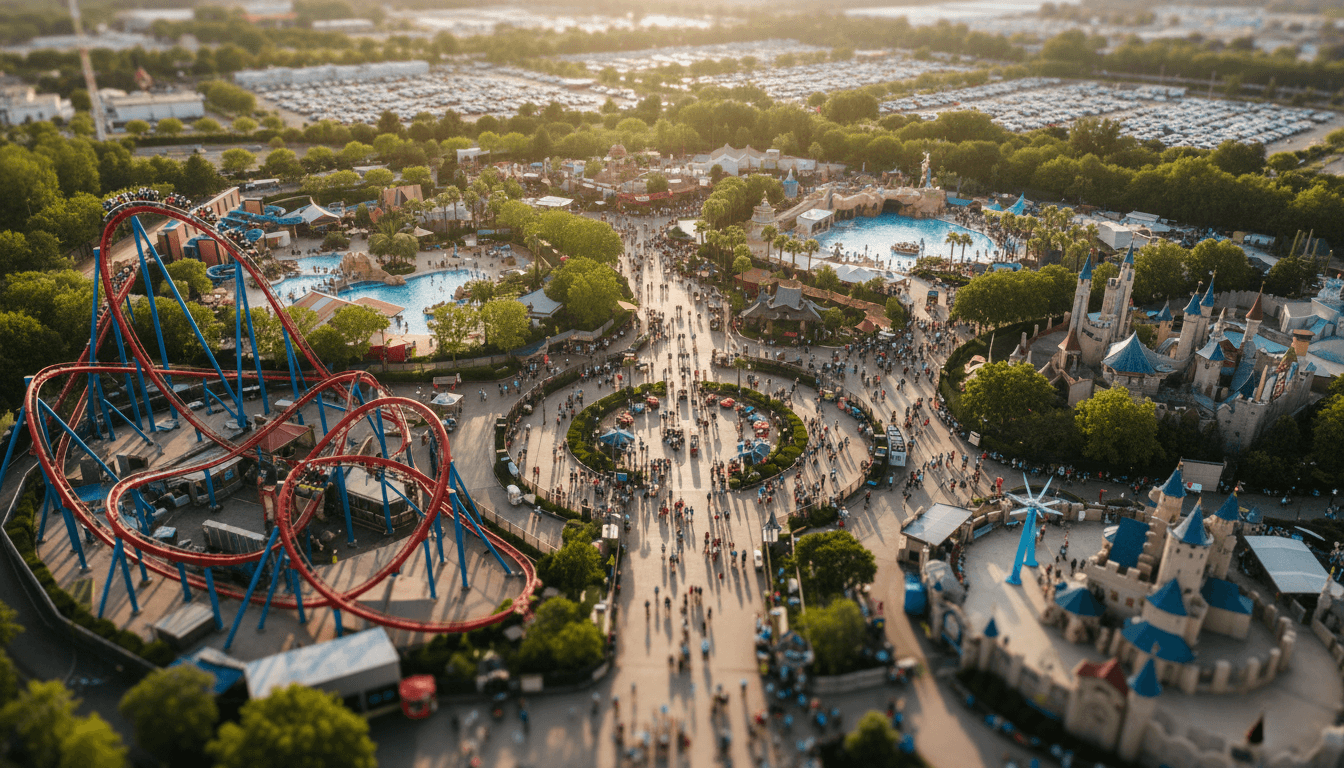
The Location Based Entertainment Market is poised for a significant boom, according to reports published on Tuesday, May 5, 2026. This surge is expected to involve major industry players such as Disney, Universal Studios, Six Flags, and Cedar Fair, signaling a robust period of growth and expansion within the experiential show business sector.
The Players and the Playbook
The core of this impending boom centers on established titans of the entertainment world. Disney, with its global empire of theme parks and resorts, is a perpetual bellwether for the industry. Universal Studios, a formidable competitor, continues to innovate with immersive attractions and intellectual property integration. Regional powerhouses like Six Flags and Cedar Fair, operating numerous amusement parks across North America, are also integral to this market’s expansion, catering to diverse audiences with a mix of thrill rides and family-friendly experiences. The collective strength and strategic investments of these entities are driving the optimistic outlook for the sector.
This news indicates a renewed confidence in physical entertainment venues, following a period where digital and at-home entertainment options saw accelerated growth. The emphasis on ‘location-based’ suggests a return to, or perhaps an evolution of, the shared, in-person experiences that have long defined the amusement and theme park industry. The competitive landscape among these major players is likely to intensify, leading to further innovation in ride technology, themed environments, and guest services.
Impact Analysis
The anticipated boom in the Location Based Entertainment Market carries significant implications for the broader show business landscape. A thriving theme park sector often correlates with increased demand for intellectual property (IP), driving content creation and licensing deals in film, television, and gaming. Studios with strong IP portfolios, such as Disney and Universal, stand to benefit immensely from their ability to translate popular characters and storylines into tangible, immersive experiences. This symbiotic relationship ensures a continuous cycle of creativity and revenue generation across various entertainment verticals.
“The resilience of the experiential economy, particularly in the realm of theme parks, demonstrates a fundamental human desire for shared, tangible escapism that digital platforms, while powerful, cannot fully replicate.”
Moreover, the expansion of these entertainment giants creates ripple effects across various ancillary industries, including hospitality, retail, and transportation. New attractions and park expansions necessitate substantial capital investment, creating jobs and stimulating local economies. For investors, this signals a potentially lucrative period for entertainment stocks, especially those tied to the major theme park operators. The focus on the Location Based Entertainment Market also highlights a strategic shift towards diversifying revenue streams beyond traditional media consumption.
Context & Background
The theme park industry has historically demonstrated remarkable resilience, evolving through various economic cycles and technological shifts. From the early amusement parks of the 19th century to the meticulously themed environments of today, the core appeal of escapism and shared joy has remained constant. Recent years have seen significant investment in technology, including augmented reality (AR) and virtual reality (VR), although the core appeal often remains rooted in physical thrills and elaborate storytelling. The industry has also navigated global events that temporarily impacted attendance, consistently demonstrating its ability to rebound and adapt.
Prior to this forecast, major players like Disney and Universal have consistently pushed boundaries with new lands, attractions, and technological integrations. Disney’s Star Wars: Galaxy’s Edge and Universal’s Wizarding World of Harry Potter are prime examples of how compelling IP can be leveraged to create deeply immersive, location-based experiences that draw millions of visitors. Six Flags and Cedar Fair have also focused on expanding their thrill ride offerings and enhancing seasonal events, keeping their regional parks competitive and appealing to their core demographics. This continuous cycle of innovation and investment forms the backdrop for the current optimistic projection for the Location Based Entertainment Market.
What’s Next
Looking ahead, the boom in the Location Based Entertainment Market suggests a continued arms race among the major players to deliver the most captivating and technologically advanced experiences. We can anticipate further announcements regarding new park expansions, innovative ride systems, and deeper integration of popular intellectual properties. Sustainability initiatives and enhanced guest experiences, including streamlined digital access and personalized interactions, are also likely to be key areas of focus. The competitive environment will likely spur greater investment in research and development, pushing the boundaries of what is possible within a physical theme park setting.
Decisions regarding capital allocation, intellectual property development, and strategic partnerships will be crucial for companies like Disney, Universal Studios, Six Flags, and Cedar Fair in the coming years. The forecast indicates that this is not merely a transient recovery, but a sustained period of growth, requiring long-term vision and significant financial commitment. The industry will also be closely watching consumer spending habits and travel trends to ensure their offerings remain relevant and accessible to a broad audience.
Key Takeaway
The projected boom in the Location Based Entertainment Market underscores the enduring power of shared, immersive experiences in the entertainment world. For show business, this signifies a robust future where physical venues continue to captivate audiences, driving innovation, economic activity, and the strategic deployment of valuable intellectual property. The sustained growth expected for Disney, Universal Studios, Six Flags, and Cedar Fair highlights the continued evolution and resilience of an industry dedicated to creating unforgettable memories.