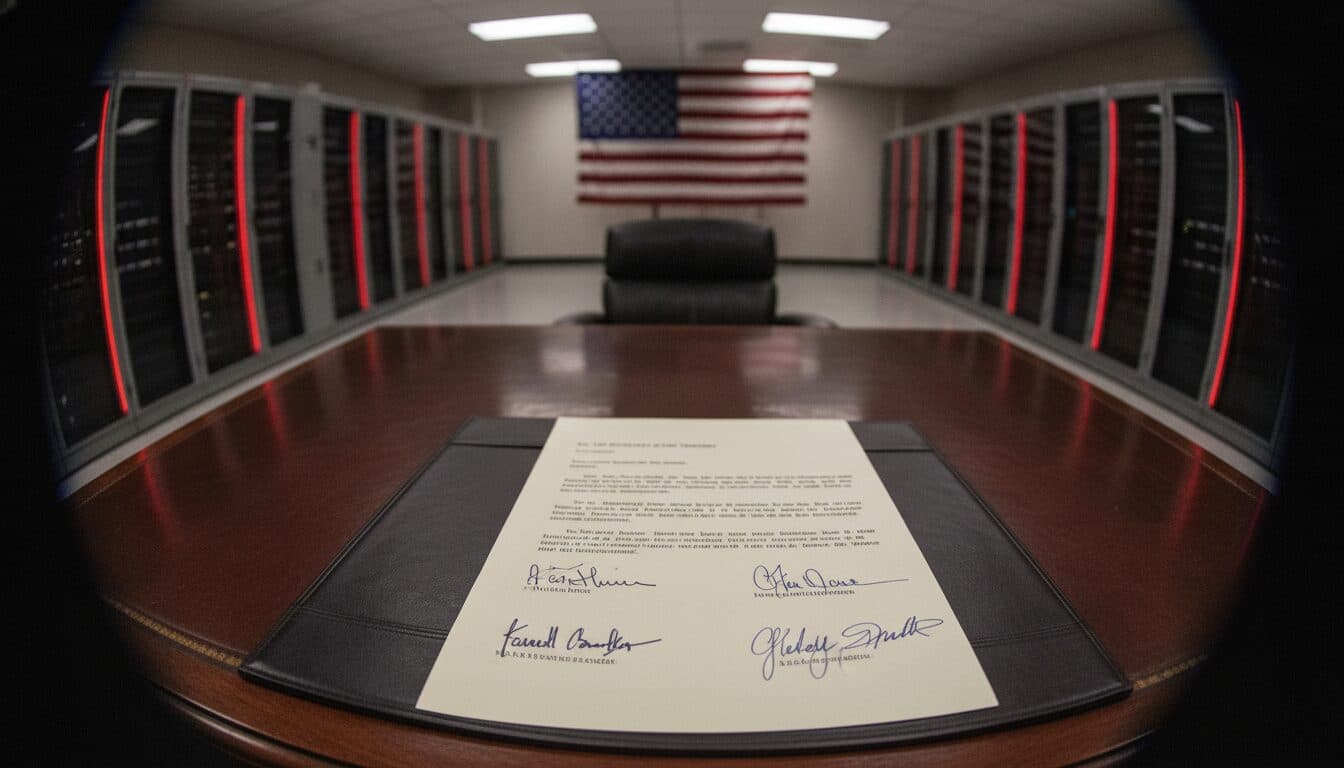
The Nasdaq tokenized trading trial has received a pivotal go-ahead from the U.S. Securities and Exchange Commission (SEC), marking a significant advancement in integrating blockchain technology into traditional financial markets. The approval, issued on Wednesday, March 18, 2026, follows Nasdaq’s proposal submitted in September 2025, setting the stage for a new era of securities settlement.
This unprecedented move allows Nasdaq to launch a pilot program where tokenized stocks can be traded alongside conventional securities. The pilot is designed to leverage the inherent benefits of tokenization, such as improved efficiency and accelerated settlement, while rigorously adhering to existing securities laws and investor protections.
The Players Driving Tokenization Forward
Several key entities are at the forefront of this initiative. Nasdaq, the proponent of the rule change, will operate the pilot program on its exchange. The U.S. Securities and Exchange Commission (SEC), under the leadership of Chairman Paul Atkins, has provided the necessary regulatory approval, demonstrating a proactive stance on crypto-related rulemaking. The Depository Trust Company (DTC), a crucial component of the Depository Trust & Clearing Corporation (DTCC), will manage the post-trade settlement and tokenization processes. This collaboration aims to ensure a smooth transition and robust infrastructure for the pilot.
Understanding the Tokenized Stock Mechanism
Under the approved framework, tokenized shares will coexist with traditional securities on Nasdaq’s order book, sharing the same execution priority. Crucially, these tokenized stocks must guarantee investors identical shareholder rights, encompassing voting rights, dividend access, and claims on residual assets. Market participants will be given the option to settle trades in tokenized form through a designated instruction at order entry. If the stringent tokenization requirements are not met for any reason, trades will automatically default to traditional settlement methods, ensuring a fallback mechanism and maintaining market integrity.
“This approval represents a significant step towards integrating blockchain technology into traditional securities market infrastructure, promising enhanced efficiency and accelerated settlement while upholding investor protection.”
Nasdaq Tokenized Trading Trial: A Timeline and Impact
The journey to this approval began in September 2025 when Nasdaq submitted its initial proposal for tokenized securities trading. The SEC’s official approval on March 18, 2026, now paves the way for the pilot program to commence. While the specific duration of the pilot has not yet been announced, its launch on the Nasdaq exchange in the United States will be closely watched by global financial institutions and blockchain enthusiasts alike. This initiative reflects a growing consensus among both crypto firms and traditional financial institutions regarding the transformative potential of tokenized securities, aiming to unlock benefits like enhanced audit trails and the possibility of all-hours trading and fractional shares.
The Nasdaq tokenized trading trial signifies a critical inflection point, demonstrating how established financial markets are embracing distributed ledger technology. This pilot program will provide invaluable insights into the practical application and regulatory implications of tokenized assets, potentially setting a precedent for future innovations in securities trading. For more insights into the evolving crypto landscape, explore our related Crypto news.
The successful implementation of the Nasdaq tokenized trading trial could redefine market infrastructure, offering a glimpse into a more efficient, transparent, and accessible financial future. This move by the SEC and Nasdaq is a clear signal of the increasing mainstream acceptance and integration of blockchain technology within the core of global finance.