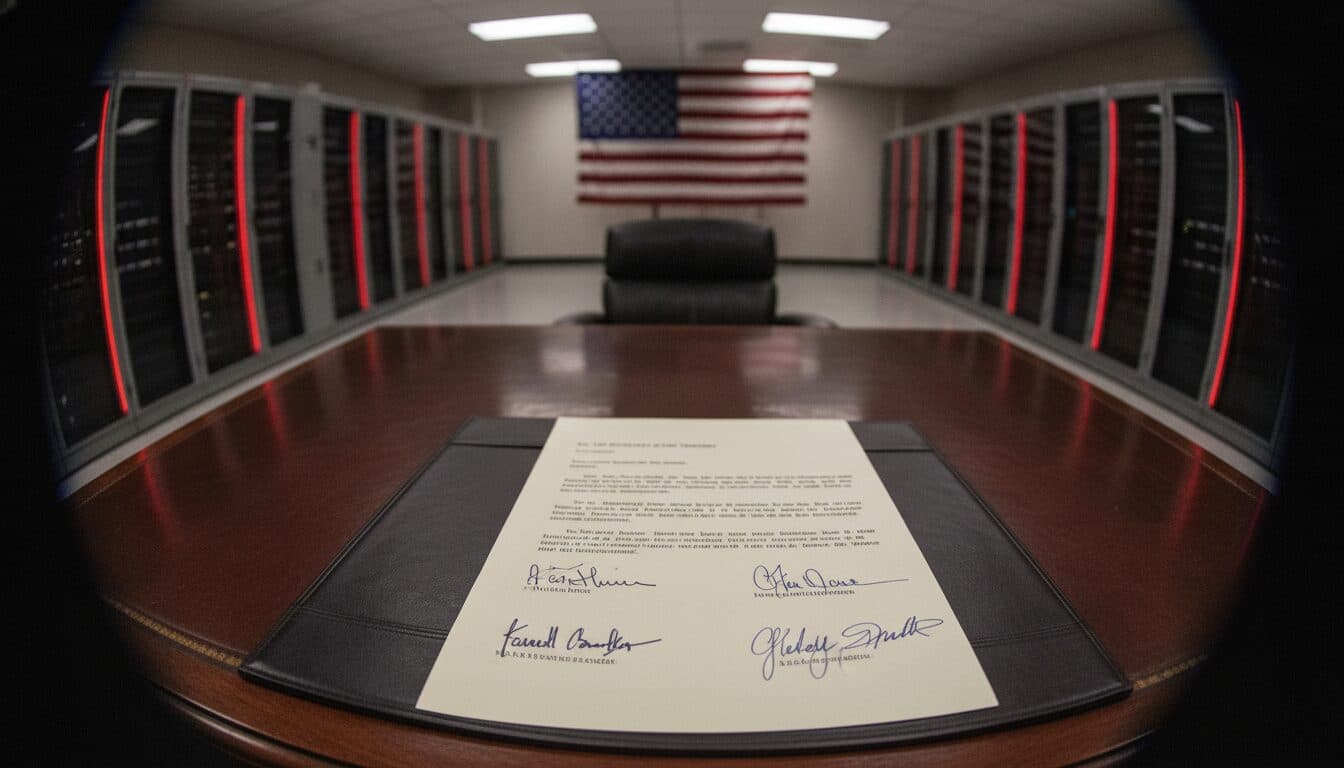
Crypto banking access reached a historic milestone on Thursday as Kraken’s banking subsidiary, Kraken Financial, secured a limited-purpose master account with the Federal Reserve Bank of Kansas City. This unprecedented move grants a digital asset-focused bank direct entry into Fedwire, the Federal Reserve’s core payment system, effectively bypassing the need for intermediary correspondent banks. For an industry that has long struggled to find stable footing within the traditional financial system, the landscape of crypto banking access has changed fundamentally with this Tier 3 entity approval.
The Landmark Shift in Crypto Banking Access
Kraken Financial’s new status as a directly connected financial institution allows it to settle transactions on the same rails used by the nation’s largest commercial banks and credit unions. According to Kraken co-CEO Arjun Sethi, the move allows the exchange to integrate fiat liquidity directly into the crypto ecosystem while reducing operational dependencies. While the master account is “limited-purpose”—meaning Kraken will not receive interest on reserves held at the central bank—the ability to settle directly on Fedwire represents a significant victory for the Wyoming-based Payward Financial (Kraken’s banking arm).
This development follows years of legal and regulatory friction. Other institutions, most notably Caitlin Long’s Custodia Bank, have spent years in court attempting to secure similar master accounts. The Federal Reserve’s decision to grant this access suggests a softening of the previous administration’s stance, providing a clearer path for other related Crypto news involving institutional integration to follow suit.
Trump Challenges Wall Street Over Stablecoin Yields
While Kraken celebrates its regulatory win, the legislative front remains a battlefield. US President Donald Trump took to Truth Social this week to lambaste traditional banking institutions for allegedly undermining the broader goal of crypto banking access by stalling the GENIUS Act. The President’s frustration stems from a deadlock in the Senate over stablecoin market structure, where banking lobbyists are pushing for a total ban on stablecoin yield payments.
“The Banks should not be trying to undercut The Genius Act, or hold The Clarity Act hostage. They need to make a good deal with the Crypto Industry because that’s what’s in best interest of the American People.”
The CLARITY Act, which passed the House in July, remains in limbo as the Senate drafts its own version. Banking groups argue that allowing third-party platforms to offer yields on stablecoins creates an unfair loophole, while the Trump administration views the banks’ interference as an attempt to stifle competition. The resolution of this bill is critical for the long-term stability of institutional crypto banking access in the United States.
CFTC Signals Arrival of Perpetual Futures
Adding to the day’s regulatory momentum, Commodity Futures Trading Commission (CFTC) Chair Michael Selig announced that the agency is moving to authorize “true perpetual futures” for cryptocurrencies within the next month. Speaking at a Milken Institute panel, Selig noted that the lack of domestic products has historically driven liquidity offshore. By bringing these contracts under US regulation, the CFTC aims to reclaim market share and provide a safer environment for sophisticated traders.
Selig, currently the only Senate-confirmed commissioner at the agency, emphasized that the shift is part of a broader effort to modernize market regulation. The introduction of these products will likely have a compounding effect on the demand for robust crypto banking access, as liquidity providers and hedge funds require seamless fiat-to-crypto on-ramps to manage high-leverage positions effectively. For more updates on market movements, stay tuned to our related Crypto news section.
The convergence of Kraken’s Fed access, Trump’s legislative pressure, and the CFTC’s product expansion marks a turning point for the industry. As the barriers between decentralized finance and traditional banking continue to erode, the focus now shifts to how quickly other exchanges can replicate Kraken’s success. Ultimately, the expansion of crypto banking access remains the linchpin for the next phase of digital asset adoption in the United States.