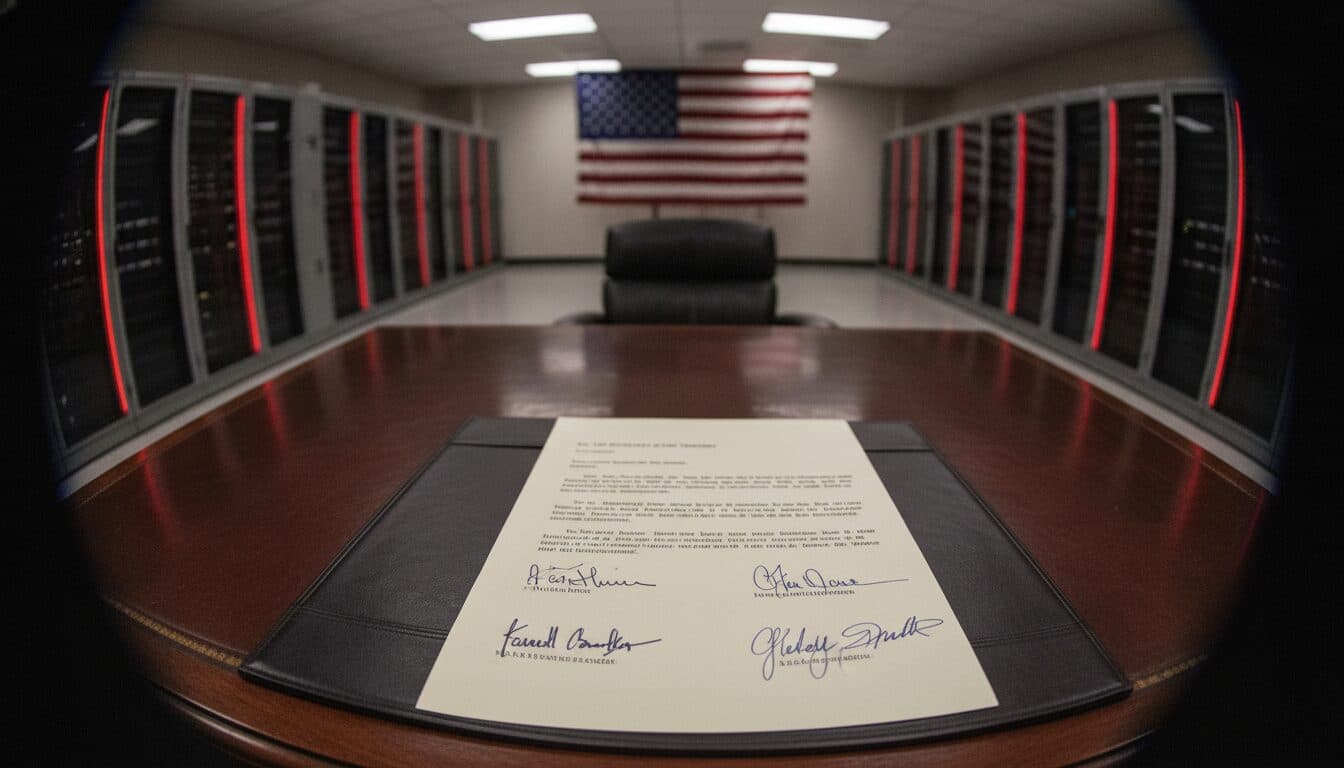
CLARITY Act faces critical May deadline as the crypto industry closely watches May 2026 for significant developments regarding this proposed US federal legislation. The CLARITY Act aims to establish a clear regulatory framework for digital assets, defining which crypto assets are commodities (under CFTC oversight) and which are securities (under SEC oversight). This distinction is crucial for regulatory compliance and operational freedom in the US market, potentially reshaping the landscape for firms like Coinbase and Ripple.
Understanding the CLARITY Act’s Core Purpose
The Digital Asset Market Clarity Act, or CLARITY Act, is a comprehensive bill designed to move the US beyond “regulation by enforcement” in the crypto space. It aims to provide clear legal definitions for various digital assets, categorizing them into three main buckets: Digital Commodities, regulated by the Commodity Futures Trading Commission (CFTC); Investment Contract Assets, regulated by the Securities and Exchange Commission (SEC); and Payment Stablecoins, regulated by banking regulators under the GENIUS Act.
The act’s primary goal is to eliminate ambiguity in the American crypto market, fostering innovation within the US while protecting investors with rigorous standards akin to traditional finance. It also addresses stablecoin issuance, decentralized finance (DeFi) protocols, and clarifies the jurisdictional boundaries between the SEC and CFTC. The industry, including major players like Kraken and Circle, eagerly awaits its passage to bring much-needed certainty.
“The CLARITY Act represents a pivotal moment for the US crypto industry, offering a pathway to regulatory certainty that could unlock significant innovation and investment within American borders.”
Key Milestones and Impending Dates
The journey of the CLARITY Act has been marked by several significant dates. On July 17, 2025, the House of Representatives passed the CLARITY Act (H.R. 3633) with a bipartisan vote of 294-134. However, progress slowed, with the US Senate Banking Committee postponing any markup of the crypto market structure bill until 2026 on December 15, 2025.
The urgency amplified on April 23, 2026, when Senator Bernie Moreno warned that the bill must clear Congress by the end of May 2026, or it risks being shelved indefinitely. This statement caused the odds of the CLARITY Act passing in 2026 on prediction platform Polymarket to improve from 38% to 46%. That same day, over 120 crypto organizations, including Coinbase, Ripple, Kraken, Circle, and Andreessen Horowitz, sent a joint letter to the Senate Banking Committee urging them to schedule the markup immediately. Galaxy Digital CEO Mike Novogratz predicted on April 26, 2026, that the CLARITY Act would clear Congress in May and reach President Donald Trump’s desk in June, though Alex Thorn, Galaxy Digital’s head of research, placed the bill’s chances at 50%, emphasizing the critical nature of a committee markup by mid-May. The CLARITY Act faces critical May deadline for these reasons.
Beyond the CLARITY Act, other important regulatory changes are on the horizon. July 1, 2026, will see new crypto regulations under California’s Digital Financial Assets Law take effect, requiring licenses for digital financial asset business activity with California residents. Furthermore, July 18, 2026, is the expected date for federal regulators to release final rules for the GENIUS Act, signed into law by President Donald Trump in July 2025, which creates a federal framework for dollar-backed stablecoins, mandating 1:1 reserves and monthly audits.
Industry Push and Regulatory Roadblocks
The drive for the CLARITY Act is fueled by a broad coalition within the crypto industry, all seeking regulatory certainty. The current lack of clear rules has led to “regulation by enforcement,” forcing firms to navigate legal battles and operational uncertainty. The act aims to provide a structured environment that will keep financial innovation within the United States, allowing companies like Andreessen Horowitz to invest with greater confidence.
However, progress has been hampered by a standoff between traditional banks and crypto firms, particularly concerning stablecoin yields. Banks contend that stablecoins offering returns could siphon deposits away from conventional lenders, creating an uneven playing field. Crypto firms, conversely, argue that stablecoin yield represents revenue sharing from interest earned on reserves, not a deposit product, and that restricting it would harm legitimate business models. Senator Bernie Moreno is a key figure actively pushing for the bill’s passage, with the Trump administration also showing strong support for comprehensive digital asset legislation, aiming to establish the US as the “crypto capital of the world.” You can find more related Crypto news on our platform.
As May 2026 unfolds, the fate of the CLARITY Act hangs in the balance, with its passage seen as essential for bringing much-needed clarity and fostering a more predictable environment for digital assets in the United States. The industry holds its breath, hoping to move beyond the current regulatory ambiguity and embrace a future of innovation and growth.