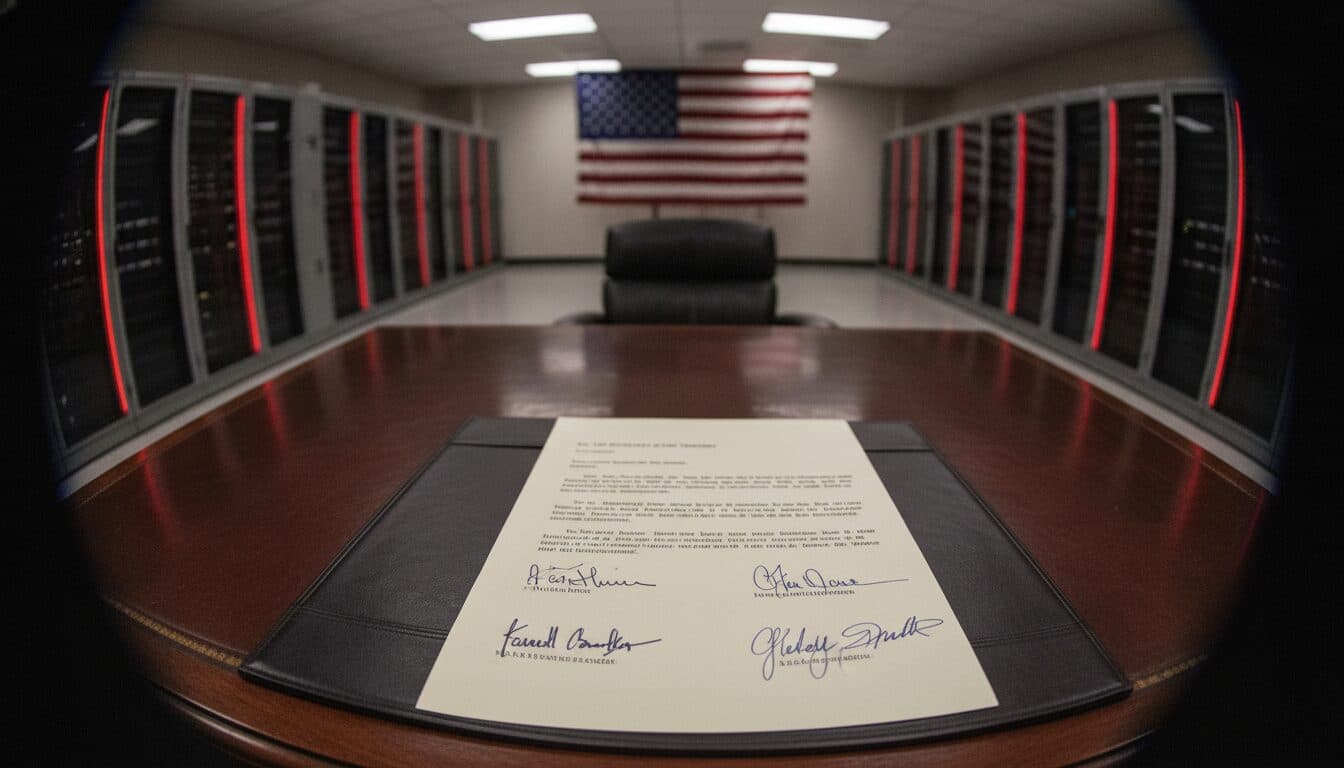
A bold Bitfarms strategic pivot from Bitcoin mining to high-performance computing (HPC) and artificial intelligence (AI) infrastructure is driving a seemingly counterintuitive market reaction, with shares jumping despite a significant net loss. The company, originally a pure-play Bitcoin miner, reported a substantial net loss of $284.5 million for the fiscal year 2025, primarily due to declining Bitcoin prices and elevated operational costs. Yet, Bitfarms shares defied expectations, climbing 6.6% on Tuesday, March 31, 2026, as investors appear to be betting on its transformative shift.
The Financial Landscape: Loss and Liquidity
Bitfarms’ financial results for fiscal year 2025 paint a challenging picture for its traditional Bitcoin mining operations. The reported net loss of $284.5 million (with other sources indicating $209 million) underscores the pressures faced by the sector. This was compounded by a cost of revenue at $248 million, surpassing the generated revenue of $229 million, which, despite a 72% year-over-year increase, resulted in a gross loss. A $50.5 million loss from changes in digital asset fair value further impacted the bottom line, contrasting sharply with a $26 million gain in 2024, though partially offset by a $28.2 million realized gain on digital asset sales. Despite these losses, Bitfarms maintains a robust liquidity position, holding $520 million in cash and Bitcoin as of March 27, 2026. The company also successfully repaid its $100 million Macquarie debt facility in February 2026, demonstrating financial prudence amidst its strategic transformation.
Bitfarms Strategic Pivot Towards AI/HPC
The market’s positive response to Bitfarms’ news is directly tied to its aggressive repositioning. Facing a 46% drop in Bitcoin from its October high and a 58.5% increase in mining difficulty since the May 2024 halving, Bitfarms made a “bold decision to walk away” from Bitcoin mining in November 2025. Five months into this strategic pivot, the company is now channeling its resources into powering HPC and AI data centers. This significant transformation includes rebranding to Keel Infrastructure, a move approved by shareholders, and relocating its legal base from Canada to the U.S. Shares are expected to trade under the “KEEL” ticker shortly after the deal’s anticipated close around April 1, 2026.
“We are no longer making any investments into Bitcoin mining and aim to become a North American infrastructure operator focused on AI workloads and data-intensive computing,” stated Bitfarms’ CEO, Ben Gagnon.
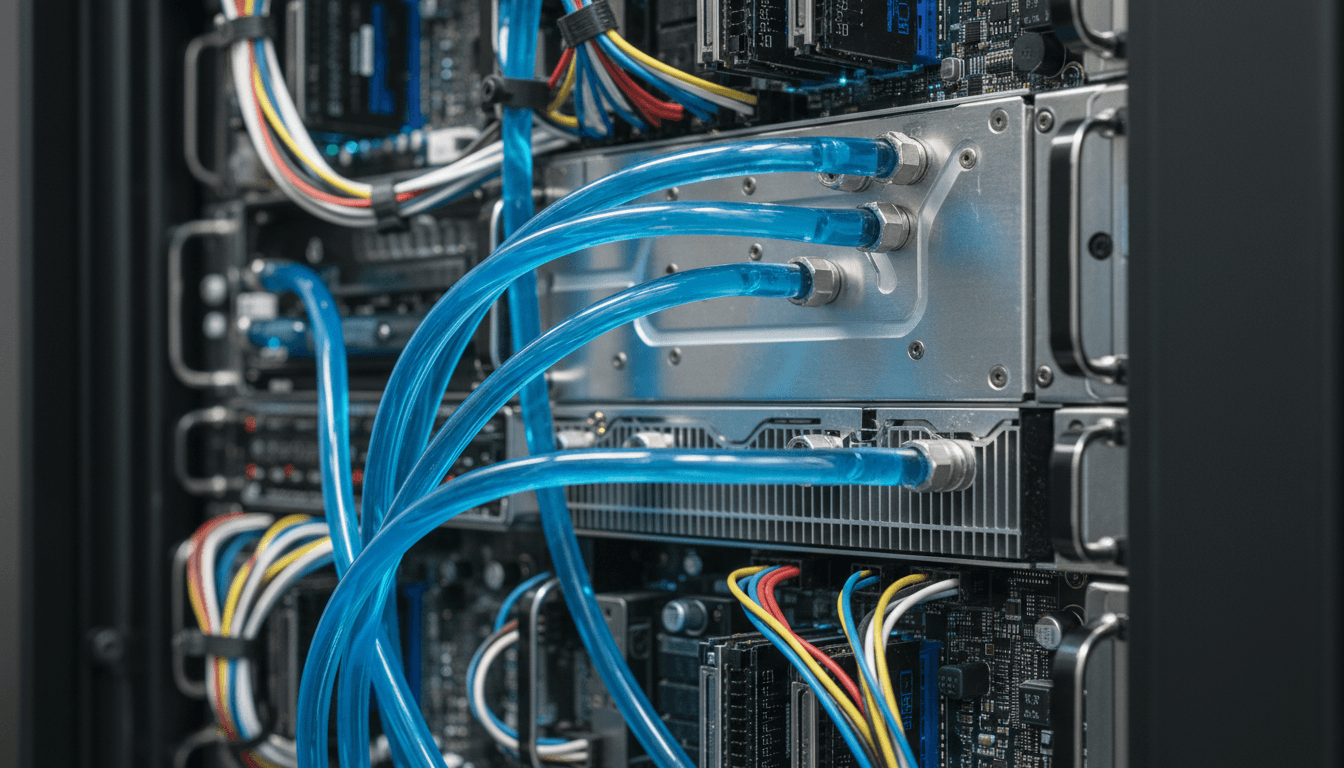
This commitment is evident in its plans to develop 2.2 gigawatts of digital infrastructure across North American sites in Pennsylvania, Quebec, and Washington. The Washington State facility is slated to be its first fully converted site, retrofitted to support Nvidia GB300 GPUs with advanced liquid cooling. To fuel this expansion, Bitfarms has secured a $128 million deal with a major U.S.-based data center partner for equipment and building materials, alongside a substantial $300 million debt facility from Macquarie Group specifically for its HPC transition. Bitfarms intends to gradually sell its remaining $161 million in unencumbered Bitcoin holdings to fund this ambitious shift, marking a complete departure from its origins to embrace the future of high-performance computing and artificial intelligence. For more insights into the evolving crypto landscape, explore our related Crypto news.
The Future of Keel Infrastructure
The market’s reaction suggests confidence in the company’s ability to execute this complex Bitfarms strategic pivot. While the short-term financial results reflect the challenges of its past business model, the forward-looking strategy positions the rebranded Keel Infrastructure at the forefront of the burgeoning AI and HPC sectors. The successful repayment of debt and securing significant funding for the transition underscore a well-planned and capitalized move. As the company sheds its Bitcoin mining identity and fully embraces its new role, investors will be closely watching its progress in deploying advanced AI infrastructure and securing new client partnerships.