Bitcoin miners pivot to AI, marking a significant strategic shift in the cryptocurrency industry. Faced with unsustainable production costs – an average of $79,995 to mine one bitcoin last quarter while the digital asset trades around $70,000 – public mining companies are rapidly re-evaluating their core business models. This isn’t just a minor adjustment; it’s a wholesale transformation, with the sector taking on an estimated $70 billion in AI-related contracts and actively liquidating their substantial bitcoin treasuries to finance this ambitious transition.
The economic reality for many miners has become stark. The once-lucrative endeavor of verifying transactions and securing the Bitcoin network has, for many, turned into a cash-burning operation. The energy demands, hardware costs, and competitive landscape have pushed operational expenses far beyond current market prices. This pressure cooker environment is forcing innovation, driving companies to leverage their existing infrastructure – vast warehouses, powerful computing arrays, and access to cheap energy – for a more profitable frontier: artificial intelligence.
The Economic Imperative Driving Change
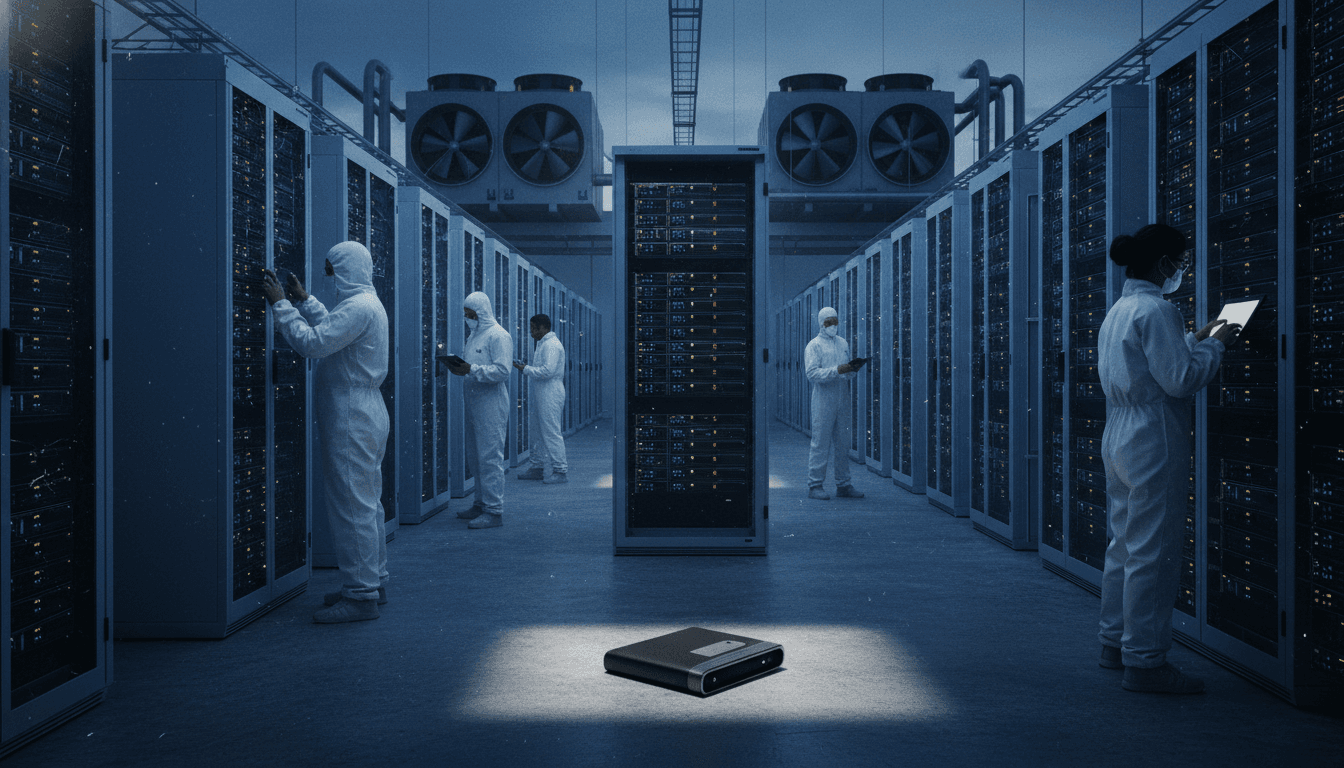
The decision to pivot is rooted in simple, yet brutal, economics. When the cost of production consistently exceeds the market price of the output, a business model is unsustainable. For bitcoin miners, the margins have evaporated, and in many cases, turned negative. This financial squeeze has prompted a rapid re-evaluation of assets and capabilities. Their existing data center infrastructure, initially designed for energy-intensive crypto mining, is remarkably well-suited for hosting AI data processing and computational tasks, which also demand significant power and cooling.
“The math simply doesn’t work for many miners at current production costs and Bitcoin prices, necessitating a dramatic shift in operational focus and capital allocation.”
This strategic move allows miners to repurpose their substantial investments in facilities and power grids. Instead of solely focusing on block rewards, they can now offer high-performance computing (HPC) services, a rapidly growing segment driven by the explosion in AI development and deployment. This diversification not only offers a new revenue stream but potentially a more stable and predictable one, less susceptible to the volatile swings of the cryptocurrency market.
Funding the AI Transition: Selling BTC Treasuries
A critical component of this pivot is the liquidation of existing bitcoin holdings. Many public miners have accumulated substantial treasuries of BTC over the years, holding onto them as a strategic asset. Now, these very assets are being sold off to provide the necessary capital for the expensive transition into AI. This involves acquiring specialized AI hardware, upgrading cooling systems, and investing in new software and talent. The estimated $70 billion in new AI contracts underscores the scale of this industry-wide transformation.
The sale of these bitcoin treasuries represents a double-edged sword. While it provides immediate liquidity for the AI pivot, it also removes a significant bullish holding pressure from the Bitcoin market. However, for the miners themselves, it’s a calculated risk to ensure long-term viability and growth in a rapidly evolving technological landscape. This shift could reshape the dynamics of both the crypto mining sector and the broader AI infrastructure market.
Bitcoin Miners Pivot to AI for Future Growth
The strategic move by Bitcoin miners pivot to AI is more than a temporary fix; it’s a long-term vision for sustainable growth. By leveraging their existing infrastructure for high-demand AI computing services, these companies are positioning themselves at the intersection of two of the most transformative technologies of our era. This pivot highlights the adaptability and entrepreneurial spirit within the crypto industry, demonstrating a willingness to abandon unprofitable ventures for more promising opportunities. As the AI sector continues its exponential expansion, these former bitcoin miners could become key players in providing the computational backbone that fuels innovation, securing a more diversified and potentially more profitable future for their operations. Stay updated on related Crypto news and market shifts.