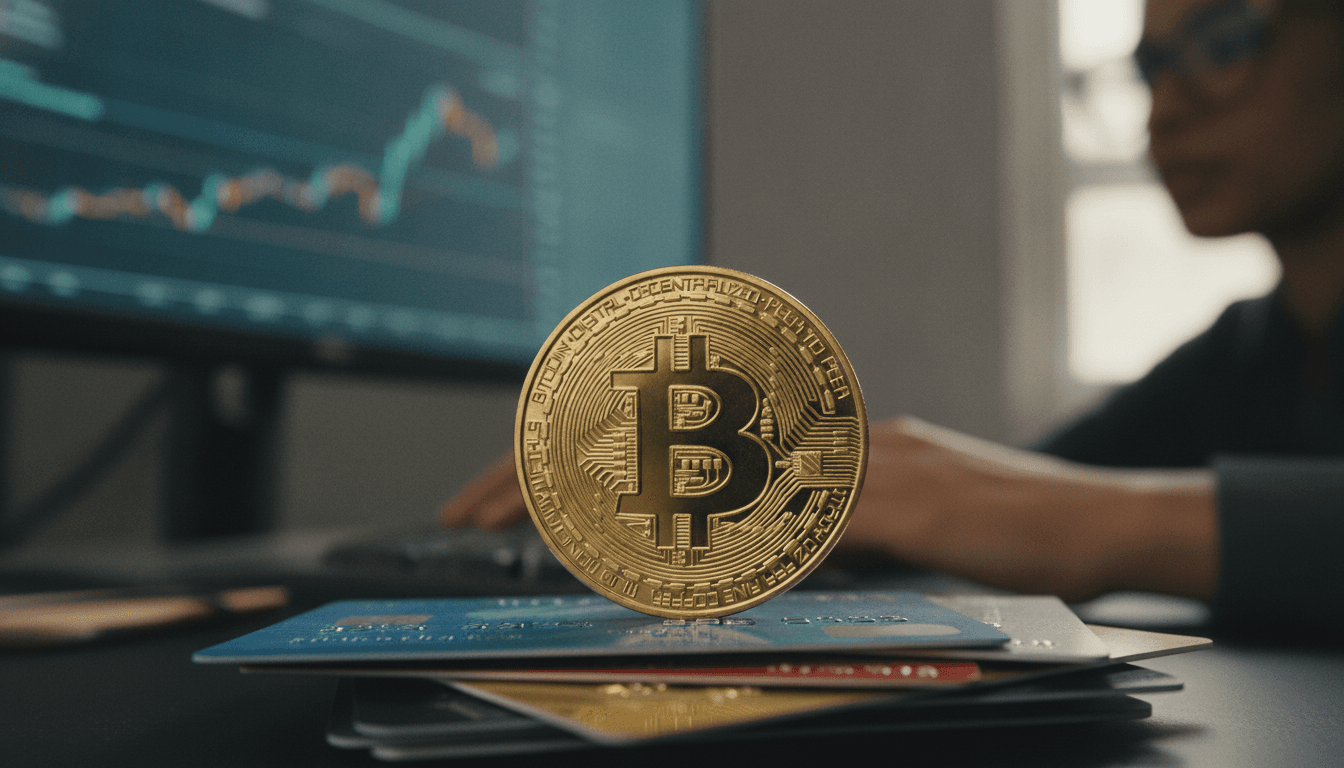
Bitcoin macro tests loom, a phrase that encapsulated the market sentiment in July 2020 as the leading cryptocurrency defied conventional wisdom, extending gains amidst a turbulent global landscape. A Decrypt headline from that period, “Bitcoin Pushes Higher as Macro Tests Loom,” highlighted Bitcoin’s resilience even as traditional assets like equities and gold faced unique pressures, driven by evolving geopolitical tensions and an uncertain economic outlook.
In July 2020, Bitcoin demonstrated remarkable strength. Its average closing price for the month stood at $9,589.90, culminating in a significant 23.8% gain to close July at $11,323.47. This surge was particularly noteworthy given its dramatic plunge to $3,800 on March 12, 2020, at the onset of the COVID-19 pandemic, from its starting point of around $7,200 at the beginning of the year. The recovery was steady, reaching $9,100-$9,300 by June’s end, before charging past $10,000 and eventually topping $11,000 in late July. This performance sparked intense debate among financial analysts regarding Bitcoin’s role as either a risky asset or a safe haven investment.
Equities and Gold: A Divergent Narrative
While the Decrypt headline hinted at pressure on equities, the reality for major US stock indices in July 2020 presented a more nuanced picture. The Dow Jones Industrial Average rose by 2.4%, the S&P 500 gained 5.5%, and the NASDAQ Composite closed 6.8% higher than June. This optimism was fueled by hopes for a COVID-19 vaccine, better-than-expected corporate earnings reports, a broader belief in economic recovery, and the sustained monetary stimulus from the Federal Reserve. However, this positive trend was not universal. European stocks, conversely, lost momentum and closed lower, grappling with anxieties over a potential second wave of the pandemic, weaker corporate earnings, and fears of a deeper Eurozone recession. Emerging market equities, however, experienced strong gains, showcasing the fragmented nature of the global economic recovery.
Gold, traditionally seen as a safe haven, also experienced a significant rally in July 2020. The price per 10 grams of 22-carat gold opened the month at Rs 47,650 and recorded its highest on July 1st at Rs 51,900. The closing price for spot gold (XAU) in July was an impressive $1,975.89, marking an 11.7% increase for the month. This surge pushed gold prices past its 2011 record high of $1,920.30 an ounce to an all-time peak of $1,943, representing a 53% increase in the 14 months leading up to July 2020. This upward trajectory was largely attributed to the pervasive economic and political uncertainty stemming from the coronavirus pandemic, central banks slashing interest rates, and a weakening US dollar, all contributing to a flight to safety.
Geopolitical Tensions and Macroeconomic Factors
The interplay of geopolitical tensions and broader macroeconomic factors was a critical theme in July 2020. US equity gauges, despite their gains, navigated a complex landscape of fundamental, geopolitical, economic, and market crosswinds. Geopolitical tensions, particularly those in the Middle East, were noted for their potential to increase market volatility and influence commodity prices like oil, as well as broader stock markets. The ongoing COVID-19 pandemic amplified this uncertainty, creating an environment where traditional correlations between assets were being reshaped. The Federal Reserve’s proactive measures, including maintaining low interest rates and extending emergency lending programs, were also pivotal macroeconomic factors, providing liquidity and stability to financial markets.
“The July 2020 period highlighted Bitcoin’s evolving role, demonstrating its potential to decouple from traditional markets during significant global uncertainty and complex macroeconomic shifts.”
Ultimately, the period of July 2020 served as a compelling real-world examination of Bitcoin’s resilience and its increasingly complex relationship with global economic indicators. The cryptocurrency’s ability to push higher amidst diverse pressures on equities and gold, fueled by geopolitical tensions and the looming threat of further economic disruption, underscored its unique position in the modern financial landscape. This dynamic period continues to inform discussions on Bitcoin’s future as a significant, independent asset class.