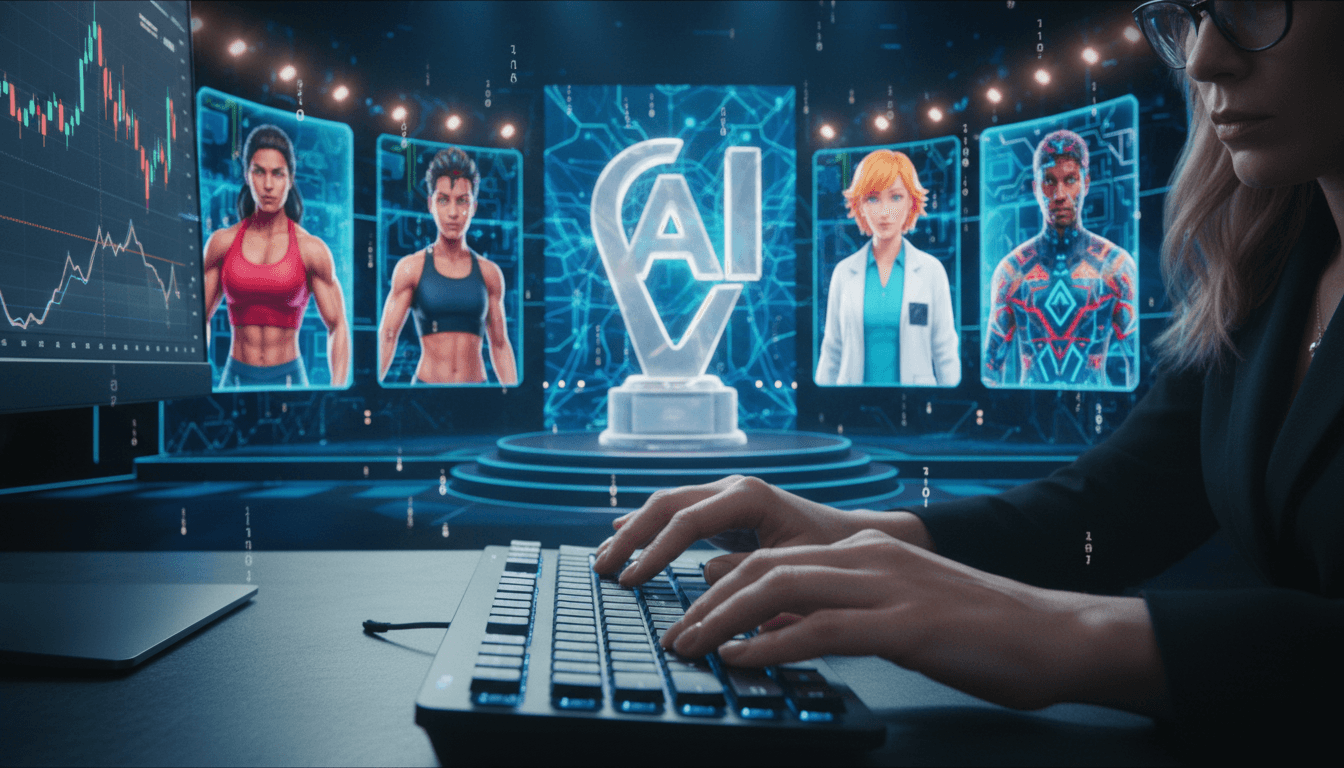
A bold new AI Personality Challenge has been launched by generative AI studio OpenArt and AI-powered creator platform Fanvue, offering a prize pool of over $20,000. This four-week global competition, backed by AI voice company ElevenLabs, aims to identify the premier AI personality of 2026, simultaneously celebrating the innovative human creators behind these burgeoning virtual influencers.
The competition officially commenced on a Monday in March 2026 and is set to captivate the digital world for one month. The culmination of this groundbreaking event will be an awards ceremony in May, which organizers are already dubbing the “‘Oscars’ for AI personalities.” This move signifies a critical step in formalizing the rapidly evolving AI influencer economy.
The Architects Behind the AI Personality Challenge
This pioneering initiative is a collaborative effort between three key players in the AI and creator space:
- OpenArt: A leading generative AI studio providing the foundational platform for character creation.
- Fanvue: An innovative AI-powered creator platform, integral to the social media and monetization aspects.
- ElevenLabs: An advanced AI voice technology company, lending crucial backing and expertise to the event.
The contest welcomes a diverse range of participants, from seasoned professionals to emerging creators, and even allows for anonymous entries. This inclusive approach underscores a commitment to prioritizing the creative project itself over the author’s public profile, fostering a truly meritocratic environment for AI innovation.
“The ‘AI Personality of the Year’ challenge is more than just a competition; it’s a declaration that AI influencers are a legitimate and lucrative industry, deserving of formal recognition and celebration.”
Crafting the Next Digital Icon
Participants are tasked with an exciting creative challenge: to develop an original AI character using OpenArt’s platform. This involves meticulously establishing a distinct look, a compelling personality, a clear niche, and a unique voice for their virtual creation. Crucially, each AI influencer must then be launched or integrated into an existing public social media account – be it TikTok, Instagram, or another popular platform – to demonstrate real-world engagement and potential.
The judging criteria are comprehensive, evaluating several facets of the AI personality’s success:
- Authentic Narrative: The depth and originality of the AI influencer’s story and persona.
- Technical Quality: The craftsmanship and realism of the AI persona, including visual fidelity and attention to detail (e.g., ensuring anatomical correctness).
- Online Popularity and Engagement: Metrics such as follower interactions, audience growth, and effective utilization of social media platforms.
- Commercial Potential: The AI personality’s demonstrated ability to attract brand partnerships and generate revenue, highlighting economic viability.
The total prize fund of $20,000 will be allocated to an overall winner, alongside victors in specialized categories, including fitness, lifestyle, comedian, music and dance entertainer, and fictional cartoon, anime, or fantasy personality.
The Maturation of the AI Influencer Economy
This competition marks a significant milestone in the evolution of the AI influencer economy, signaling its transition from a novel concept to a legitimate and highly lucrative industry. Organizers are driven by the ambition to formalize this shift, acknowledging the escalating commercial and cultural impact of AI-generated influencers and honoring the human ingenuity that fuels their development. The challenge also serves as a powerful showcase for the combined capabilities of the OpenArt and Fanvue platforms.
The broader AI influencer market is on a trajectory to reach an estimated $45 billion by 2030, with numerous virtual figures already commanding substantial income across platforms like TikTok and Instagram. This related Crypto news and AI-driven contest follows in the footsteps of other high-profile AI competitions, from beauty pageants to music contests, further cementing the burgeoning space for AI-generated content and its profound influence on the digital landscape.