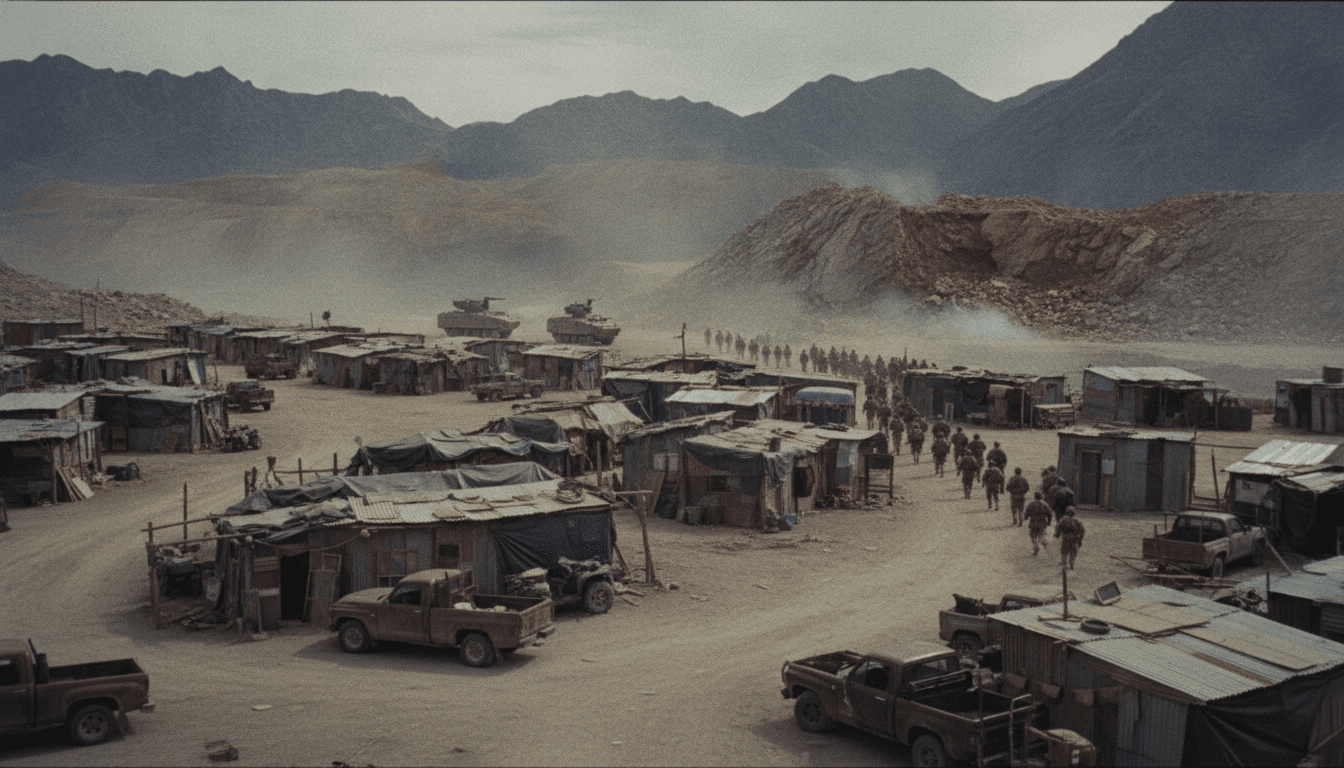
A potential peace deal between the United States and Iran is reportedly on the cusp of realization, a development poised to reshape Middle Eastern geopolitics and global energy markets. Pakistani Prime Minister Shehbaz Sharif announced on Saturday, June 13, 2026, that a “final, agreed upon text” of a peace deal had been reached, with an electronic signing “likely expected in the next 24 hours.” This announcement, made after months of intense mediation by Pakistan, signals a potential end to the conflict that erupted on February 28, 2026, claiming thousands of lives and sending global energy prices spiraling. However, Iran’s Foreign Ministry spokesperson, Esmaeil Baghaei, later clarified that a Sunday signing would not occur, though he did not dismiss the prospect of it happening in the coming days.
The proposed agreement, dubbed the “Islamabad memorandum,” aims to de-escalate hostilities and address critical economic and security concerns. Key provisions reportedly include the release of frozen Iranian assets and the waiving of U.S. oil sanctions. In return, Iran is expected to reopen the Strait of Hormuz, a critical maritime chokepoint through which approximately one-fifth of the world’s oil and natural gas supplies transit. The Strait has been severely impacted by Iranian threats and attacks during the recent conflict, causing significant disruption to global shipping. Iran has also expressed a desire to levy charges for “services rendered” to ships transiting the Strait of Hormuz, a proposed toll system that the U.S. and other nations view as a violation of international law. The implications of this potential peace deal are vast, extending from energy prices to regional stability.
The Islamabad Memorandum: A Path to De-escalation
The immediate focus of the Islamabad memorandum is to end the current conflict, but it sets the stage for more complex discussions. While U.S. President Donald Trump has stated that the agreement would ultimately lead to the dismantling of Iran’s nuclear program, including the destruction and removal of its highly enriched uranium stockpile, Iran has reportedly not agreed to this specific point. Iran’s foreign ministry spokesman, Esmaeil Baghaei, explicitly stated that the nuclear issue would not be addressed at this initial stage of the Islamabad memorandum. Iran, according to reports, wishes to retain diluted uranium.
President Trump has been a central figure in these diplomatic efforts, having canceled planned strikes on Iran earlier in the week, citing that a “great settlement of the war” had been agreed to. He also engaged in discussions with UK Prime Minister Keir Starmer regarding the deal’s finalization. President Trump characterized the deal as “a wall to no nuclear weapon,” asserting that Iran would not obtain one. He further emphasized that, unlike the 2015 nuclear deal, no money would change hands under his agreement.
Despite the prevailing optimism surrounding a potential peace deal, underlying tensions persist. Early on Saturday, the U.S. shot down several Iranian attack drones in the Strait of Hormuz, which were reportedly targeting commercial ships. President Trump condemned this action as “TOTALLY UNACCEPTABLE.” Furthermore, Israel, while not a direct signatory to the memorandum, maintains high expectations that President Trump will ensure any final agreement unequivocally prevents Iran from acquiring nuclear weapons. Israeli Defense Minister Israel Katz reiterated that Israel would not withdraw from “security zones” in Lebanon.
The proposed agreement also reportedly encompasses the lifting of the U.S. naval blockade on Iranian ports and the withdrawal of U.S. forces from areas proximate to Iran. Iran’s semi-official Mehr News Agency reported that the deal would also include a commitment from the U.S. to “non-interference in Iran’s internal affairs.” The ramifications of this war and its potential resolution are expected to dominate discussions at the upcoming Group of Seven (G7) summit in France, commencing on Monday.
“The potential for a U.S.-Iran peace deal marks a pivotal moment for global stability and the energy sector. While immediate de-escalation is the goal, the long-term implications for nuclear proliferation and regional power dynamics will be closely watched.”
What Lies Ahead for the Peace Deal
The coming days will be crucial in determining the immediate future of this U.S.-Iran peace deal. While an electronic signing was initially anticipated for Sunday, the delay indicates that final details may still be under negotiation. Technical-level talks are scheduled for next week, suggesting a phased approach to implementing the agreement. The G7 summit will provide a significant platform for world leaders to discuss the implications of the Islamabad memorandum, particularly concerning global energy security and non-proliferation efforts.
For investors, the prospect of a stabilized Middle East and the reopening of the Strait of Hormuz could lead to a downward correction in global oil prices, which have seen a significant surge since February. However, the exact timing and extent of this impact will depend on the full implementation of the deal and the resolution of the proposed ‘toll’ system for the Strait. The broader economic implications, including the potential for increased trade with Iran and the unfreezing of assets, could also present new opportunities and challenges for various sectors.
The journey towards a lasting peace between the U.S. and Iran is complex and fraught with historical baggage. While the Islamabad memorandum represents a significant step forward, the differing stances on Iran’s nuclear program highlight the challenges that lie ahead. The world watches with bated breath as Pakistan, the U.S., and Iran navigate these delicate negotiations, hoping for a resolution that ushers in an era of greater stability and predictability in a volatile region. This potential peace deal is not merely about ending a conflict; it is about redefining a geopolitical landscape.