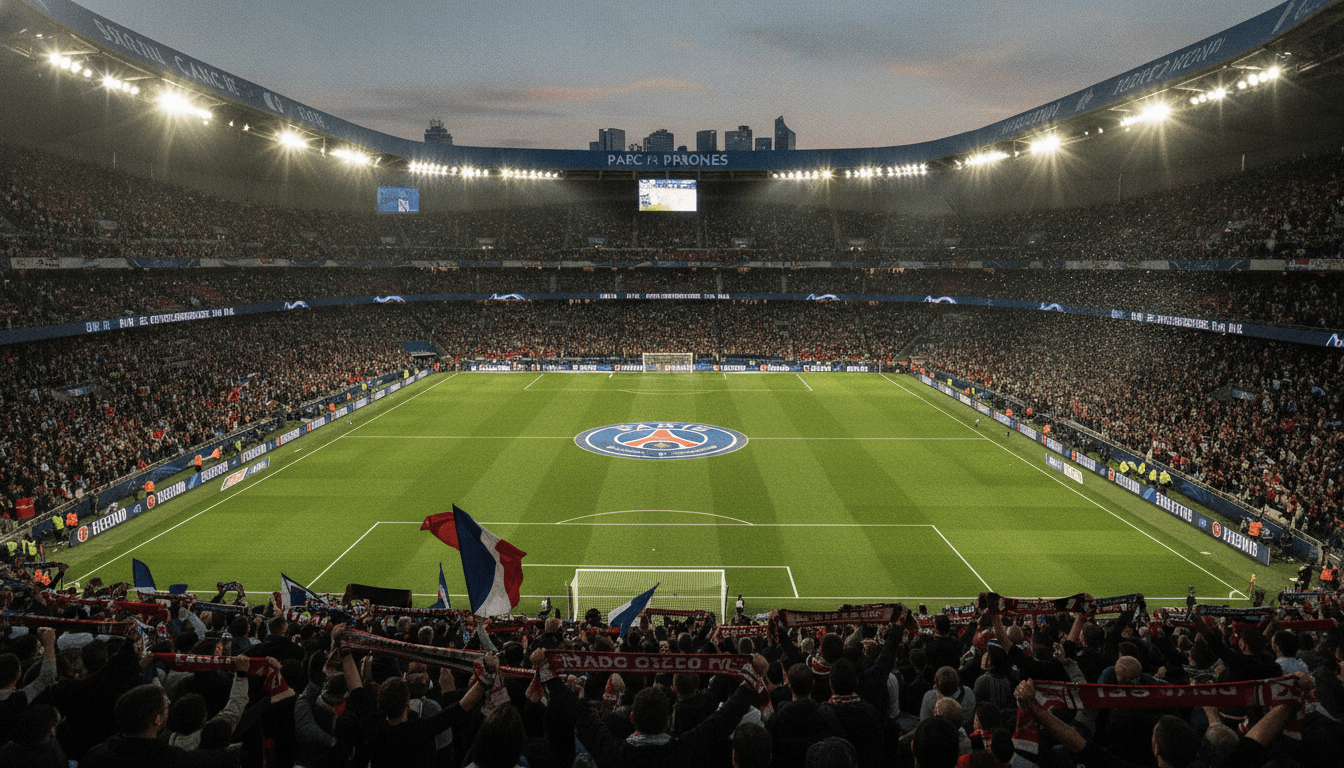
Paris Saint-Germain is preparing a €150 million summer signing, signaling a potentially seismic shift in European football’s financial landscape for the upcoming transfer window. This monumental investment, reported on Monday, June 8, 2026, by MSN, underscores PSG’s continued strategy of leveraging substantial capital to secure elite talent and reinforce their dominance, both domestically and on the continental stage. Such a valuation places this prospective deal among the most expensive transfers in football history, raising immediate questions about Financial Fair Play (FFP) implications and the broader market impact.
The Business Impact
The reported €150 million summer signing by PSG is not merely a player acquisition; it’s a significant financial maneuver that reverberates across the football ecosystem. For the selling club, it represents a massive influx of capital, potentially enabling their own strategic investments or balance sheet improvements. For PSG, it’s a calculated risk and an affirmation of their ambition, backed by their Qatari ownership. The club’s consistent willingness to pay top dollar for marquee players has reshaped valuation metrics in the transfer market, often setting new benchmarks that other clubs struggle to match.
This kind of expenditure necessitates a robust financial model, balancing immense outlay with commercial revenue generation through sponsorships, merchandise sales, and broadcast rights. The pressure to justify such a price tag extends beyond on-pitch performance, demanding increased global brand visibility and fan engagement. The transaction, if completed, will undoubtedly be scrutinized by UEFA’s FFP regulations, though PSG has historically navigated these waters with sophisticated accounting and revenue diversification strategies. The club’s ability to absorb and manage such a high-value asset reflects its unique position as one of the sport’s wealthiest entities.
“These mega-transfers aren’t just about winning trophies; they’re about brand building, market influence, and attracting the next generation of global fans. PSG understands this better than most.”
Market Impact and Valuations
A €150 million summer signing by a club like PSG inevitably sends ripples through the transfer market. It reaffirms the upward trajectory of player valuations, particularly for young, high-potential talent or established superstars. Other clubs will observe this benchmark and adjust their own asking prices and budgets accordingly. This can lead to an inflationary effect, making it harder for mid-tier clubs to compete for top-tier players and further concentrating talent among the elite few. The deal also highlights the growing financial disparity within European football, where state-backed clubs or those with significant external investment can outspend rivals. This dynamic affects player agents, who stand to gain substantial commissions, and other clubs, who may be forced to sell their star assets to balance their books.
Furthermore, such a high-profile transfer can impact sponsorship deals. Brands are often eager to associate with clubs that boast global superstars, seeing it as a direct route to enhanced visibility and consumer engagement. The arrival of a €150 million summer signing at Parc des Princes would likely trigger new commercial opportunities for PSG, further offsetting the initial investment. The sheer scale of the deal also influences betting markets and media rights negotiations, as the competitive balance of domestic and European leagues shifts.
Context and Background
PSG’s history is replete with high-value transfers. Since the acquisition by Qatar Sports Investments (QSI) in 2011, the club has consistently broken transfer records, most notably with the €222 million acquisition of Neymar in 2017 and the €180 million signing of Kylian Mbappé. These moves established PSG as a dominant force capable of attracting the world’s most sought-after players. The club’s strategy has been clear: invest heavily in world-class talent to win the UEFA Champions League and elevate the club’s global brand status. This approach has transformed Ligue 1, making PSG the undisputed domestic champion for much of the last decade, but the ultimate European prize has remained elusive.
The current market context, post-pandemic, has seen some clubs adopt more cautious spending, but the elite few, like PSG, have maintained their financial muscle. This latest reported €150 million summer signing comes at a time when competition at the top of European football is fiercer than ever, with clubs like Real Madrid, Manchester City, and Bayern Munich also vying for supremacy through strategic squad enhancements. The economics of football transfers are complex, involving not just direct fees but also agent commissions, signing bonuses, and long-term salary commitments, all of which contribute to the overall financial outlay.
What’s Next
The immediate future will involve intense speculation regarding the identity of this prospective €150 million summer signing. Once the player is confirmed, the focus will shift to their integration into the squad and the tactical implications for coach Luis Enrique. Financially, PSG will need to demonstrate how this expenditure aligns with their long-term financial planning and FFP compliance, especially given the ongoing scrutiny from UEFA. There could also be knock-on effects in the transfer market, as other clubs may look to offload players to fund their own acquisitions or to make room for new arrivals. The success of this investment will ultimately be measured by on-field performance, particularly in the Champions League, and the continued growth of PSG’s global commercial footprint.
We can anticipate a flurry of activity in the coming weeks as clubs finalize their summer transfer strategies. This move by PSG could trigger a chain reaction, with other major clubs responding with their own significant investments to maintain competitiveness. The financial health of football, especially at the elite level, continues to be driven by these high-stakes investments in talent.
Key Takeaway
The impending €150 million summer signing by PSG underscores the enduring financial might of football’s elite clubs and their unwavering commitment to securing top talent. This deal, once finalized, will not only reshape PSG’s squad but also influence player valuations, transfer market dynamics, and the broader financial strategies of clubs across Europe. It serves as a stark reminder of the massive capital flows within professional football and the constant pursuit of competitive advantage through strategic investment.