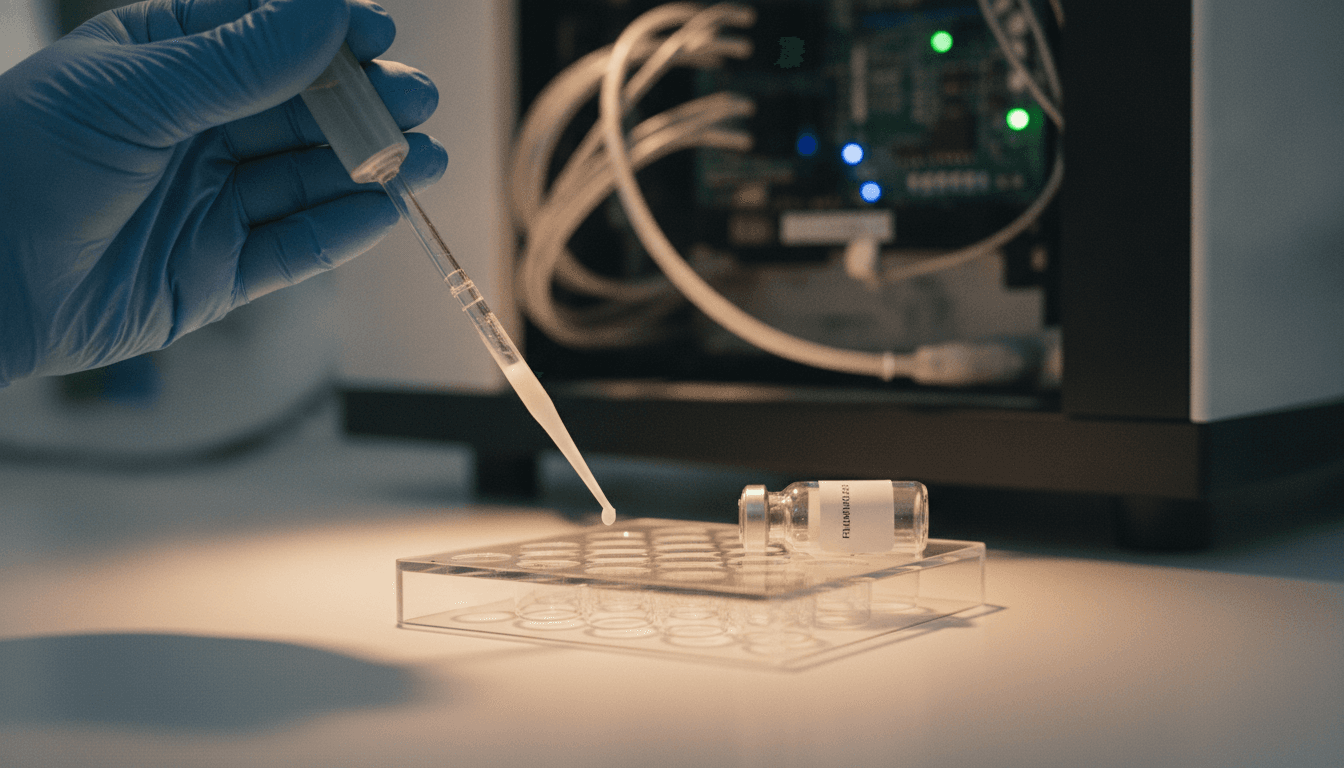
US health experts will screen wastewater for disease outbreaks during World Cup, a critical proactive measure announced on Monday, June 8, 2026. This initiative marks a significant expansion in public health surveillance, leveraging advanced genomic sequencing to detect pathogens before they trigger widespread illness, especially in the context of large international gatherings.
The Surveillance Initiative: Who, What, and When
The core of this new public health strategy involves health experts meticulously analyzing wastewater samples from various locations across the United States. The primary objective is to identify early indicators of disease outbreaks, particularly during the influx of international visitors expected for the World Cup. This proactive screening aims to provide an early warning system, allowing health authorities to implement targeted interventions and mitigate potential public health crises much faster than traditional symptom-based reporting.
While specific agencies involved were not detailed in the announcement from The Star, such large-scale public health initiatives typically involve collaboration between federal bodies like the Centers for Disease Control and Prevention (CDC), state and local health departments, and potentially academic institutions specializing in environmental health and epidemiology. The timing of this screening, coinciding with the World Cup, underscores the heightened risk associated with mass gatherings. The tournament, bringing together millions of fans from around the globe, creates an ideal environment for the rapid transmission of infectious diseases, making robust surveillance paramount.
Impact on Public Health & Wellness Landscape
This initiative represents a significant evolution in the broader health and wellness landscape. Wastewater surveillance, once a niche scientific method, is rapidly becoming a mainstream tool for public health. Its ability to capture a snapshot of community health, irrespective of individual testing or symptom presentation, offers unparalleled advantages. For instance, asymptomatic carriers of a virus still shed genetic material into wastewater, allowing for detection before a clinical outbreak is apparent. This capability is particularly crucial for emerging pathogens or those with long incubation periods.
“Wastewater screening provides an anonymous, comprehensive look at community health, offering an early warning system that complements clinical surveillance methods and allows for more agile public health responses.”
The proactive approach of screening US wastewater for disease outbreaks during World Cup events could set a new standard for managing public health during major international events. It moves beyond reactive measures, such as contact tracing post-diagnosis, towards a preventative model. This shift could minimize economic disruption, reduce strain on healthcare systems, and protect the health of both residents and visitors. Related health & wellness articles frequently discuss the economic impact of disease outbreaks, highlighting the value of early detection.
Context and Background
Wastewater surveillance gained significant traction during the recent global pandemic, where it proved instrumental in tracking the prevalence and geographic spread of the virus, even as clinical testing capacity fluctuated. This success has propelled its adoption for a wider range of pathogens, including influenza, norovirus, and antibiotic-resistant bacteria. The technology has matured rapidly, with improved sampling techniques, more sensitive laboratory assays, and sophisticated bioinformatics tools for data analysis.
Prior to the pandemic, wastewater epidemiology was primarily used for tracking illicit drug use or poliovirus eradication efforts. The World Cup, with its global reach and potential for rapid pathogen dissemination, serves as an ideal testbed for demonstrating the scalability and effectiveness of this advanced surveillance method on an international stage. This move reflects a growing trend in public health to invest in infrastructure that can provide broad, non-invasive insights into community health, moving beyond individual patient data.
What’s Next: Future Implications
The success of screening US wastewater for disease outbreaks during World Cup could pave the way for permanent, nationwide wastewater surveillance programs. Such programs could become a standard component of public health infrastructure, continuously monitoring for a wide array of pathogens, and even potentially detecting novel threats. This would involve sustained funding, inter-agency collaboration, and ongoing research into new detection methodologies.
Furthermore, the data collected during the World Cup could inform international best practices for managing public health during other large-scale events, such as the Olympic Games or major conferences. It may also lead to the development of standardized global protocols for wastewater monitoring, fostering greater international cooperation in disease prevention and control. The insights gained from this initiative will be crucial in shaping future health policy and investment in public health resilience.
Key Takeaway
The decision by health experts to screen US wastewater for disease outbreaks during World Cup represents a significant advancement in proactive public health surveillance. By leveraging environmental epidemiology, authorities aim to identify and contain potential disease threats before they escalate, safeguarding public health during a period of high international travel and interaction. This strategic move underscores a broader shift towards more sophisticated, data-driven approaches to disease prevention and control, which will undoubtedly shape the future of global health security and wellness. Our health & wellness coverage will continue to track developments in this crucial area.