A historic needle-free universal vaccine, developed by the University of Cambridge and its spin-out DIOSynVax (DVX) Ltd, has successfully completed its first human clinical trial, demonstrating safety and a lack of significant side-effects. This groundbreaking development, published in the Journal of Infection on June 11, 2026, represents a fundamental shift in vaccine technology, offering the potential to prevent future pandemics before they even begin. The trial involved 39 healthy volunteers and targeted Sarbeco coronaviruses, the broad group of viruses responsible for outbreaks like SARS-CoV-2, which caused the recent Covid pandemic.
The trial’s findings are particularly significant because the vaccine triggered robust immune responses not only against known threats like SARS-CoV-2 and SARS but also against related bat viruses with zoonotic potential. This capability to protect against viruses that could jump from animals to humans marks a pivotal moment in infectious disease prevention. Professor Jonathan Heeney from the University of Cambridge’s Department of Veterinary Medicine, the scientific lead, emphasized the shift: “We’ve converted vaccine development from being reactive to being future proof. Our vaccines will continue to provide protection against viruses even as they mutate into new strains.” This approach aims to break the cycle of constant reformulation seen with traditional vaccines, which often struggle to keep pace with rapidly evolving pathogens.
Revolutionizing Vaccine Design and Delivery
The innovation lies in its use of an AI-designed ‘super-antigen.’ Unlike conventional vaccines that target specific, already-identified virus strains, this super-antigen was engineered using machine learning to identify common antigenic features across the entire Sarbeco coronavirus group. This includes features of viruses that have not yet emerged, offering broad and lasting protection against a wide range of viral threats, such as the Ebola group or other Sarbeco coronaviruses. This marks the first time a vaccine whose active component was entirely designed by computer simulations has been tested in humans.
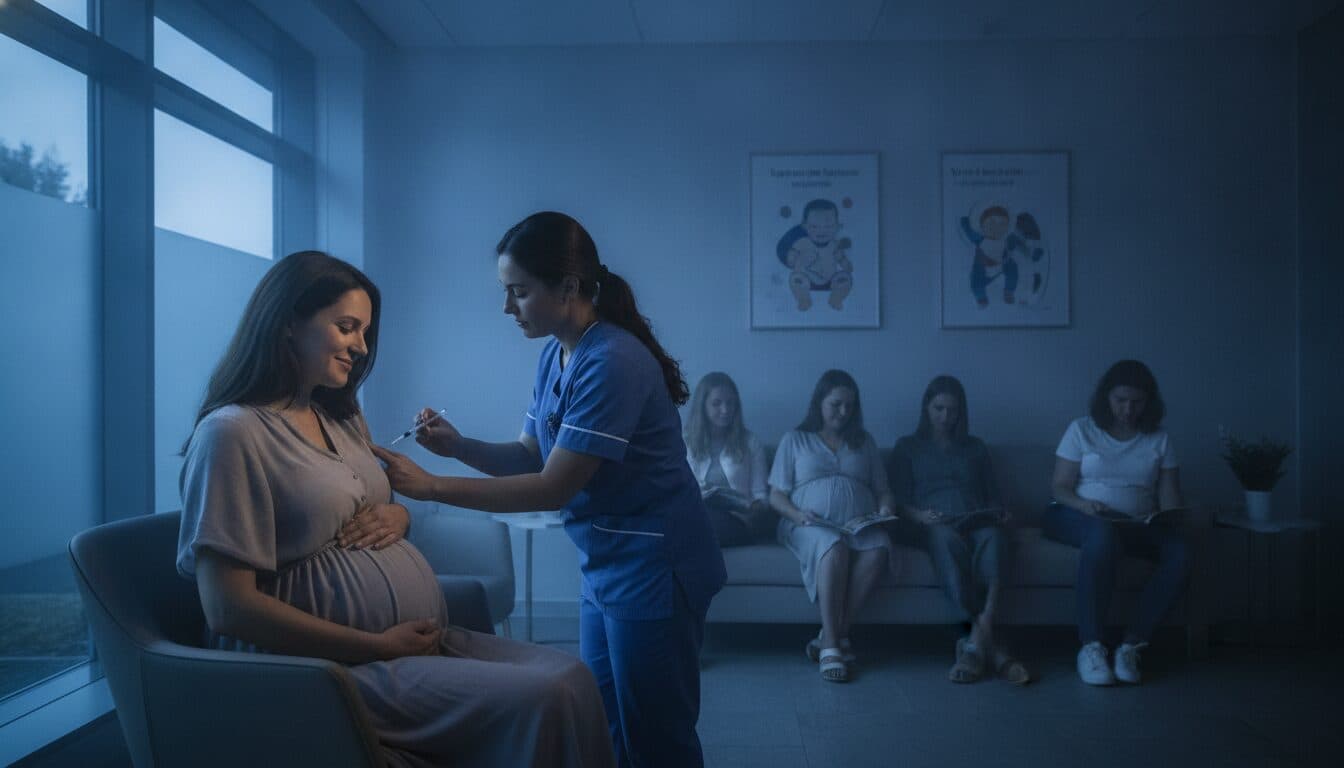
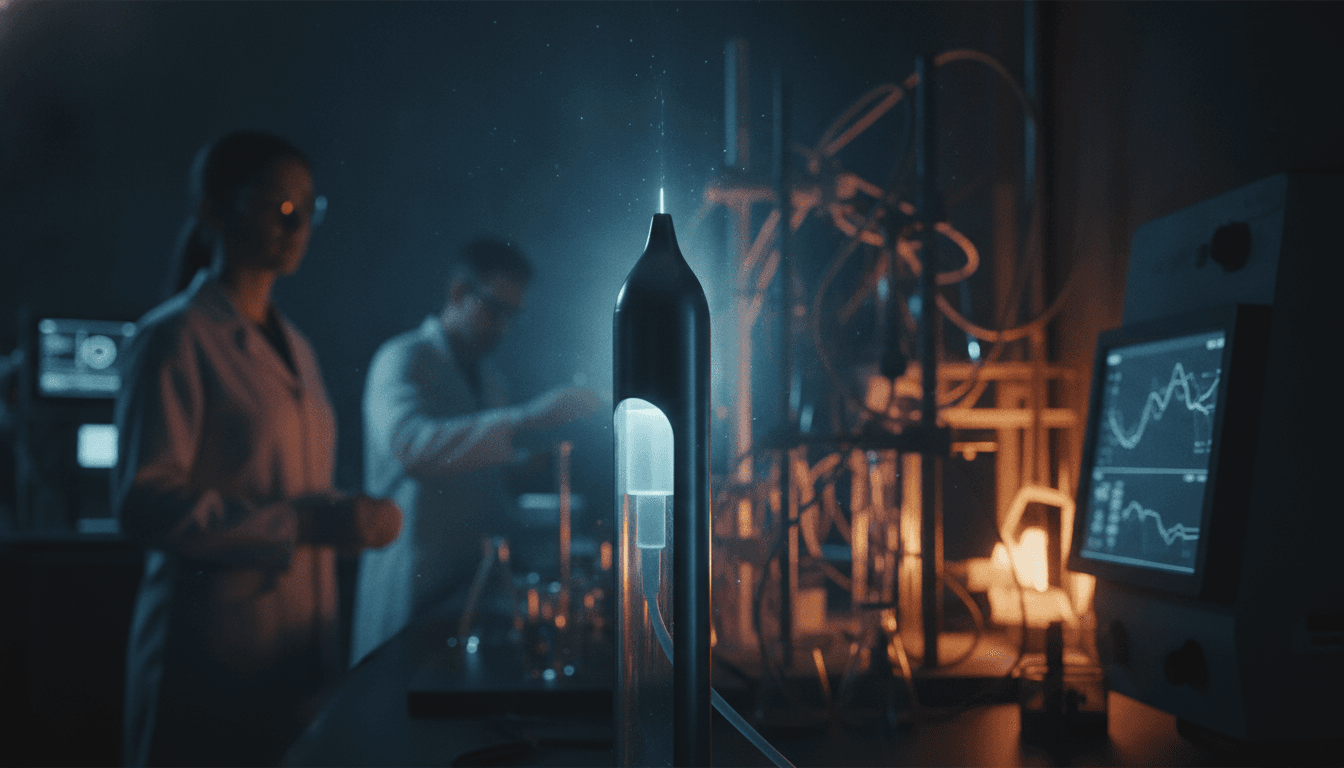
The delivery method itself is also a significant advancement. The super antigen was administered as a DNA vaccine through a micro fluid jet, a needle-free delivery method. This offers a crucial alternative for individuals with a fear of needle-based injections, potentially making vaccination faster and easier to deploy on a large scale, particularly in challenging logistical environments. Participants in the trial, aged 18 to 50, received the vaccine at NIHR Clinical Research Facilities in Southampton and Cambridge, with the study sponsored by University Hospital Southampton NHS Foundation Trust (UHSFT).
“This new class of universal vaccines are future-proofed. They not only protect against many variants simultaneously, but potentially against related viruses that haven’t yet emerged and spilt over to humans. If we can develop and clinically advance this new class of vaccines before a virus outbreak begins, millions of lives could be saved, lockdowns avoided and the economy preserved.”
Professor Saul Faust from the University of Southampton, the trial’s chief investigator, highlighted the profound implications of this new class of universal vaccines. He noted that traditional ‘reactive’ vaccine systems often struggle to keep pace with continuously evolving viruses like influenza and coronaviruses. This new technology promises to provide protection against many variants simultaneously, and even against related viruses yet to emerge, offering a proactive defense against future pandemics. Explore more health & wellness articles on our platform.
Future Implications and Broader Landscape
The success of this initial trial paves the way for further development. A larger Phase 2 trial is now required to assess the vaccine’s ability to induce immune responses in a wider and more diverse population, and to confirm the generation of strong, broadly protective immune responses. This critical next step will move the needle-free universal vaccine closer to public use. The research was primarily funded by Innovate UK, underscoring the collaborative effort behind this scientific breakthrough.
DIOSynVax, a University of Cambridge spin-out established in 2017, is at the forefront of this innovation. Their pipeline extends beyond Sarbeco coronaviruses to include vaccine candidates for human seasonal and pandemic influenza threats, as well as haemorrhagic fever viruses. This broad application highlights the versatility and potential of their Digitally Immune Optimised Synthetic Vaccines (DIOSynVax) technology. Professor Marian Knight, Scientific Director for NIHR Infrastructure, praised the collaboration: “This milestone was only made possible through partnerships between the life sciences sector and our world-class NIHR infrastructure in Cambridge and Southampton, whose Clinical Research Facilities provided the vital expertise and environment needed to safely fast-track this innovation, and bring it one big step closer to patients.”
The ongoing threat of coronaviruses and other zoonotic pathogens circulating in animal populations makes this development particularly timely. The inability to predict precisely which virus will jump to humans, or when, necessitates a proactive and broadly protective approach to vaccination. This needle-free universal vaccine represents a significant stride towards a future where humanity is better equipped to prevent global health crises, safeguarding lives and economies from the unpredictable nature of emerging viral threats. The implications for global health security and economic stability are immense, potentially ushering in an era of preemptive pandemic preparedness.