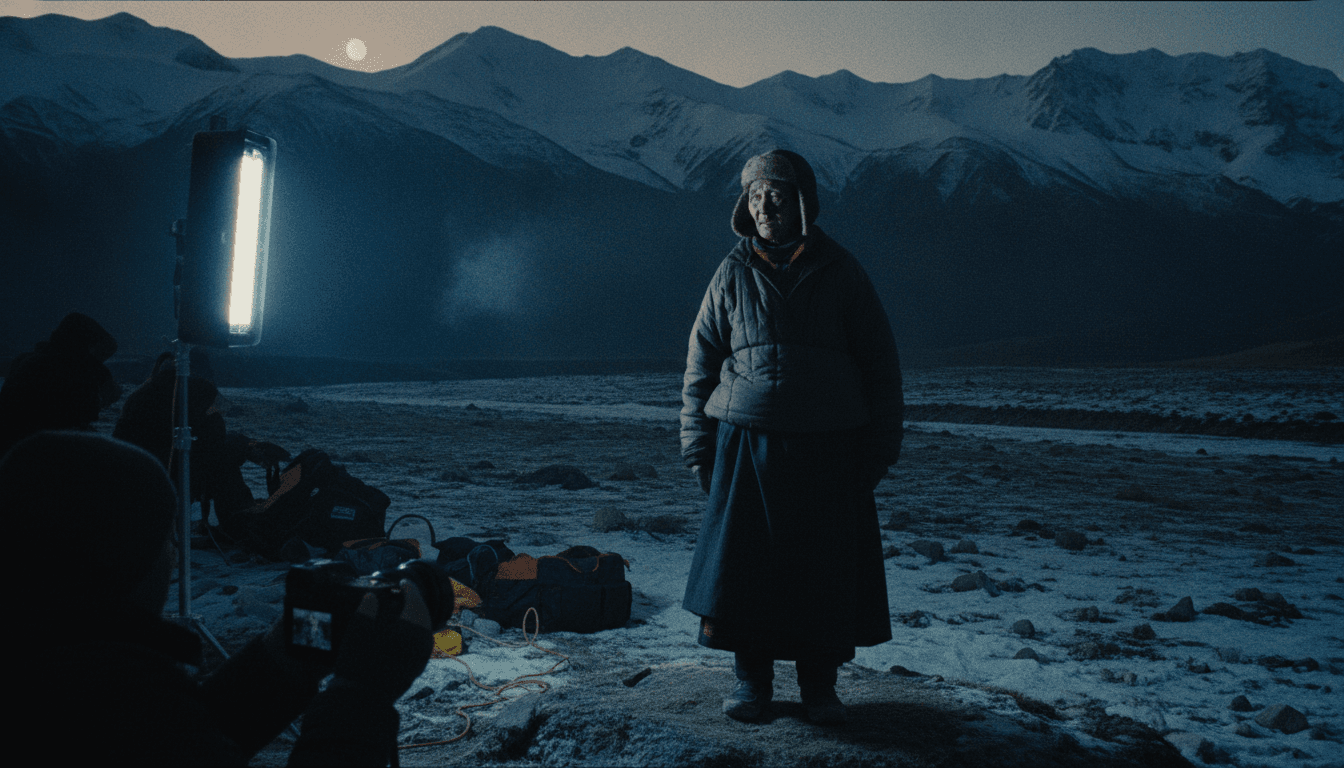
Growing loneliness and healthcare gaps are significantly impacting the elderly population in Upper Mustang, a remote Himalayan region, according to a recent study. The findings, presented in Kathmandu on Saturday, June 7, 2026, by the Nexus Institute of Research and Innovation (NIRI) and Switzerland-based Kalasha Foundation, reveal a demographic shift and critical deficiencies in support systems for senior citizens.
The comprehensive study, based on a survey of 188 residents aged 65 to 89 in Lomanthang Rural Municipality, highlights that elderly individuals constitute 13.1 percent of the local population. This figure is nearly double Nepal’s national average, underscoring a unique demographic challenge for the region. A primary driver of this trend is the out-migration of younger family members seeking education and employment opportunities, leaving older relatives behind.
Researchers identified loneliness as a major concern, with many senior citizens living without their children, despite often receiving financial support through remittances. This economic assistance, while crucial, does not address the profound emotional and social isolation experienced by the elderly. The study paints a stark picture of a community where traditional family structures, vital for elder care, are fragmenting under economic pressures and modernization.
Addressing Healthcare Gaps in Upper Mustang
Beyond emotional well-being, the study also pinpointed significant gaps in access to healthcare services and nutrition for the elderly. The remote and challenging terrain of Upper Mustang exacerbates these issues, making it difficult for older residents to reach medical facilities or consistently access adequate nutritional resources. This situation calls for urgent and targeted interventions to safeguard the health of this vulnerable demographic.
The NIRI and Kalasha Foundation researchers have strongly advocated for the establishment of stronger community-based elderly care programs. A key recommendation includes expanding the role of Female Community Health Volunteers (FCHVs) in these remote areas. FCHVs, already embedded within communities, could provide essential primary care, monitor nutritional status, and offer crucial social support, thereby bridging existing healthcare gaps. This localized approach could be a lifeline for many.
“Policymakers must prioritize elderly healthcare and incorporate mental and emotional well-being into national health policies to effectively address the multifaceted challenges in regions like Upper Mustang.”
The organizations have urged national policymakers to prioritize elderly healthcare, emphasizing the need to integrate mental and emotional well-being into broader national health policies. This comprehensive approach acknowledges that physical health cannot be separated from psychological and social health, especially for an aging population facing significant isolation. The findings resonate with broader global discussions on the socio-economic impact of aging populations and the increasing recognition of loneliness as a public health crisis.
Context and Broader Implications
The challenges identified in Upper Mustang are not entirely unique, reflecting a growing global trend of aging populations and the associated strains on healthcare and social support systems. However, the extreme remoteness and specific cultural context of the Himalayas add layers of complexity. While remittances provide some financial relief, they inadvertently contribute to the social isolation by incentivizing younger generations to leave. This creates a double-edged sword for the elderly, who gain financial stability but lose vital social connections.
Previous reports and anecdotal evidence from similar remote regions have consistently highlighted the difficulties in delivering consistent healthcare. The reliance on community volunteers, while effective, underscores the systemic under-resourcing in remote areas. The call for national policy integration suggests a recognition that localized efforts, while crucial, must be supported by a broader strategic framework to ensure sustainability and equitable access to care.
What’s Next for Upper Mustang’s Elderly Care
The presentation of these findings in Kathmandu is a critical step towards raising awareness and mobilizing resources. The recommendations from NIRI and the Kalasha Foundation will likely inform future policy discussions and potentially lead to pilot programs aimed at bolstering elderly care. The expansion of FCHV roles, if implemented effectively, could serve as a model for other remote regions grappling with similar issues. Furthermore, the emphasis on mental and emotional well-being signifies a progressive shift in understanding holistic elder care.
The study serves as a poignant reminder that economic development and migration patterns, while offering opportunities, can inadvertently create new vulnerabilities within societies. For the elderly of Upper Mustang, the coming years will be crucial in determining whether policymakers heed these warnings and implement the necessary changes to ensure their health, dignity, and well-being in the face of growing loneliness and healthcare gaps.