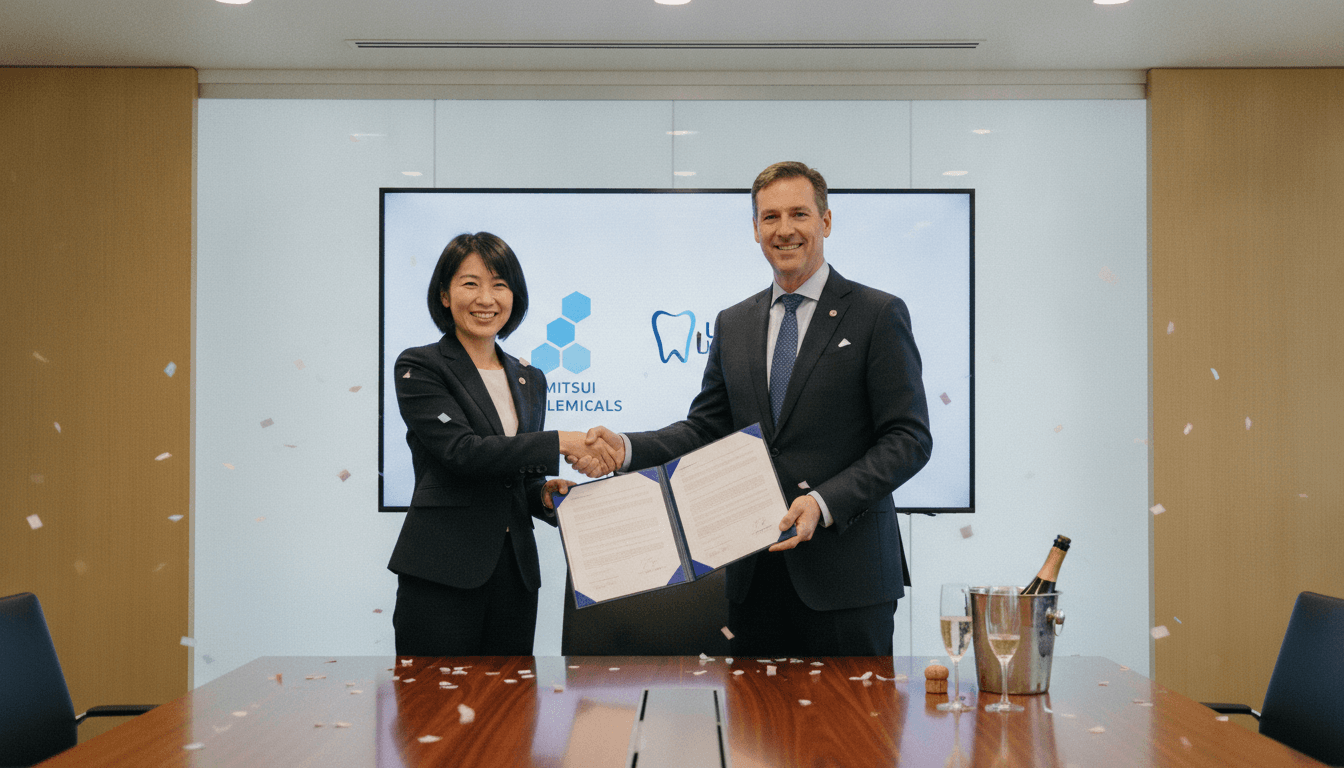
GSK’s acquisition of Nuvalent for $10.6 billion marks a significant move in the pharmaceutical industry, signaling a fierce race among pharma giants to expand their pipelines. This landmark deal, announced on Tuesday, June 9, 2026, solidifies GSK’s position in the lucrative oncology market, particularly in precision medicines, and underscores the strategic importance of innovative drug development in today’s competitive landscape.
The Strategic Acquisition of Nuvalent
The $10.6 billion all-cash acquisition of U.S. drugmaker Nuvalent by UK-based GSK is one of the largest transactions in the biotech sector this year. This substantial investment highlights GSK’s commitment to bolstering its oncology portfolio with cutting-edge therapies. Nuvalent, known for its focus on small molecule kinase inhibitors for cancer, brings a promising pipeline of targeted treatments that align perfectly with GSK’s long-term growth strategy in specialized medicines. The deal reflects a broader industry trend where established pharmaceutical companies are aggressively pursuing M&A opportunities to gain access to novel drug candidates and technologies, thereby mitigating risks associated with internal R&D and securing future revenue streams.
Nuvalent’s journey to this significant acquisition has been characterized by its rapid ascent in the oncology space. Founded with a vision to develop highly selective and potent therapies for patients with kinase-driven cancers, the company quickly garnered attention for its scientific rigor and innovative approach. While specific historical milestones prior to this acquisition are not detailed in the source, the sheer size of the deal suggests a strong track record of preclinical and clinical development that has generated significant interest from major players like GSK. Their success has been built on a foundation of deep scientific understanding and a focused strategy on unmet medical needs in oncology.
Expanding Oncology Pipeline: A Competitive Edge
The core strategy behind GSK’s move is to significantly expand its oncology pipeline. Nuvalent’s portfolio, particularly its lead candidates targeting specific mutations in lung cancer and other solid tumors, offers GSK a competitive advantage in the precision medicine segment. This area of drug development focuses on tailoring treatments to individual patient characteristics, often based on genetic profiles, leading to more effective therapies and better patient outcomes. The acquisition is expected to accelerate GSK’s entry into new therapeutic areas within oncology and strengthen its existing presence, allowing it to compete more effectively with other pharmaceutical titans.
“This acquisition underscores the imperative for pharmaceutical companies to continuously innovate and expand their therapeutic offerings, particularly in high-growth areas like oncology, to maintain a competitive edge and address evolving patient needs.”
For the pharmaceutical industry, the GSK-Nuvalent deal is a clear signal of continued consolidation and a renewed focus on oncology as a primary growth driver. Competitors will undoubtedly be scrutinizing the details of this acquisition, potentially prompting other large pharma companies to accelerate their own M&A activities or increase internal investment in oncology R&D. Investors, in turn, will be watching how this integration impacts GSK’s financial performance and pipeline progression, as successful execution of such a large acquisition is crucial for realizing its full value. The deal could also set new valuation benchmarks for promising biotech companies with advanced clinical programs.
What’s Next for GSK and the Pharma Landscape
Looking ahead, GSK will focus on seamlessly integrating Nuvalent’s operations and advancing its pipeline through clinical development. The immediate future will involve leveraging GSK’s extensive resources, global reach, and regulatory expertise to bring Nuvalent’s promising drug candidates to market more efficiently. Analysts predict that this strategic expansion of its oncology pipeline will position GSK for sustained growth in the coming years, potentially leading to new blockbuster drugs and significant market share gains. The race to innovate and acquire novel therapies is far from over, and this acquisition serves as a powerful testament to the dynamic and high-stakes nature of the pharmaceutical industry. More success stories in biotech are expected as companies continue to seek strategic advantages through M&A.