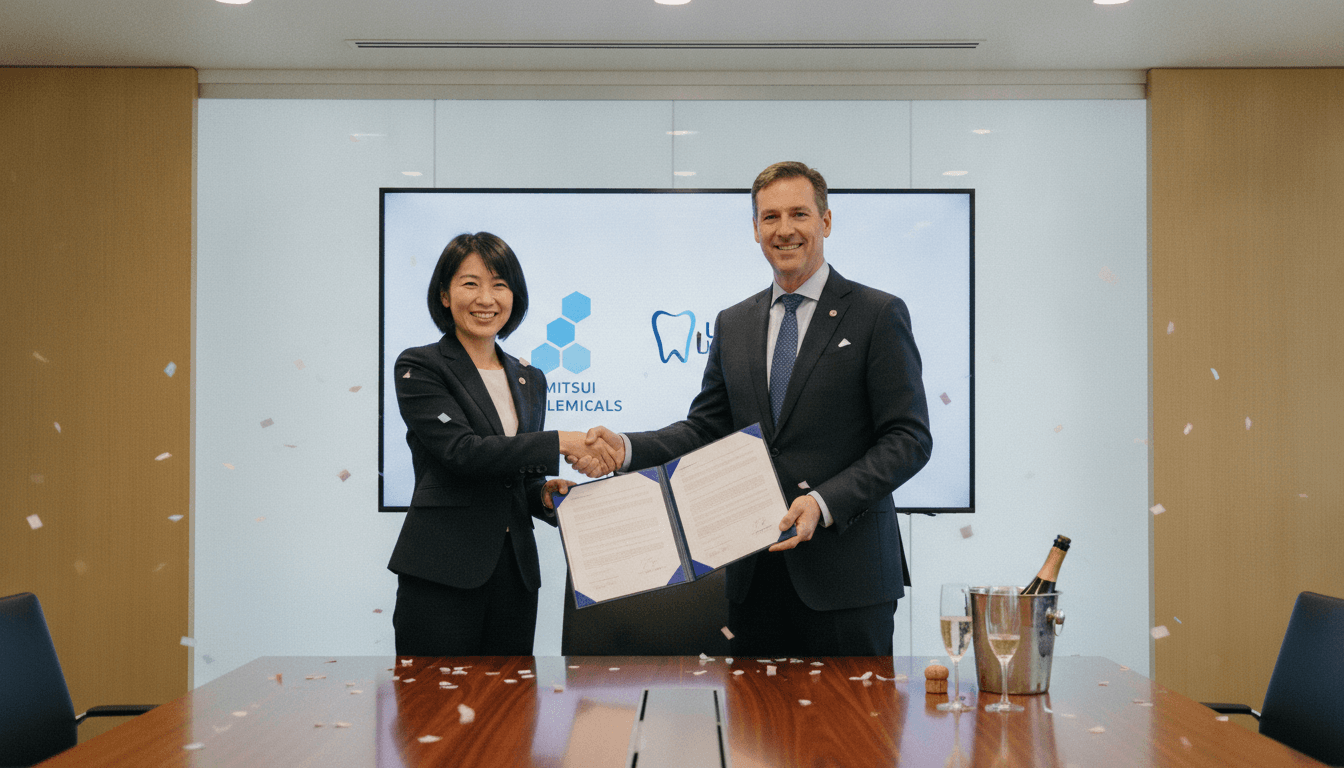
Collective Defence acquires Asterion in a $1 billion deal, marking a significant convergence of cybersecurity and counter-drone technology and creating Luxembourg’s first defense unicorn. Announced on Sunday, June 7, 2026, this strategic acquisition values the combined entity at over $1 billion, establishing one of Europe’s largest privately held defense technology companies. The transaction, led by investment firm C5 Capital and supported by strategic sovereign investors, is set to redefine modern defense capabilities by bridging the critical gap between digital and physical threat landscapes, though it remains subject to regulatory approvals.
A Unified Front Against Evolving Threats
This landmark acquisition brings together Collective Defence’s robust capabilities in cybersecurity, threat intelligence, and security operations with Asterion’s combat-tested counter-unmanned aircraft systems (C-UAS) technology. Collective Defence, headquartered in Luxembourg, was forged through the integration of cybersecurity specialists ITC Secure and IronNet, building a formidable presence in the digital defense realm. Asterion, on the other hand, specializes in advanced counter-drone solutions, featuring radio-frequency detection, AI-enabled tracking, and both kinetic and non-kinetic methods for neutralizing hostile drones. The company has garnered invaluable operational experience, deploying its systems in high-stakes environments such as Ukraine and the Middle East.
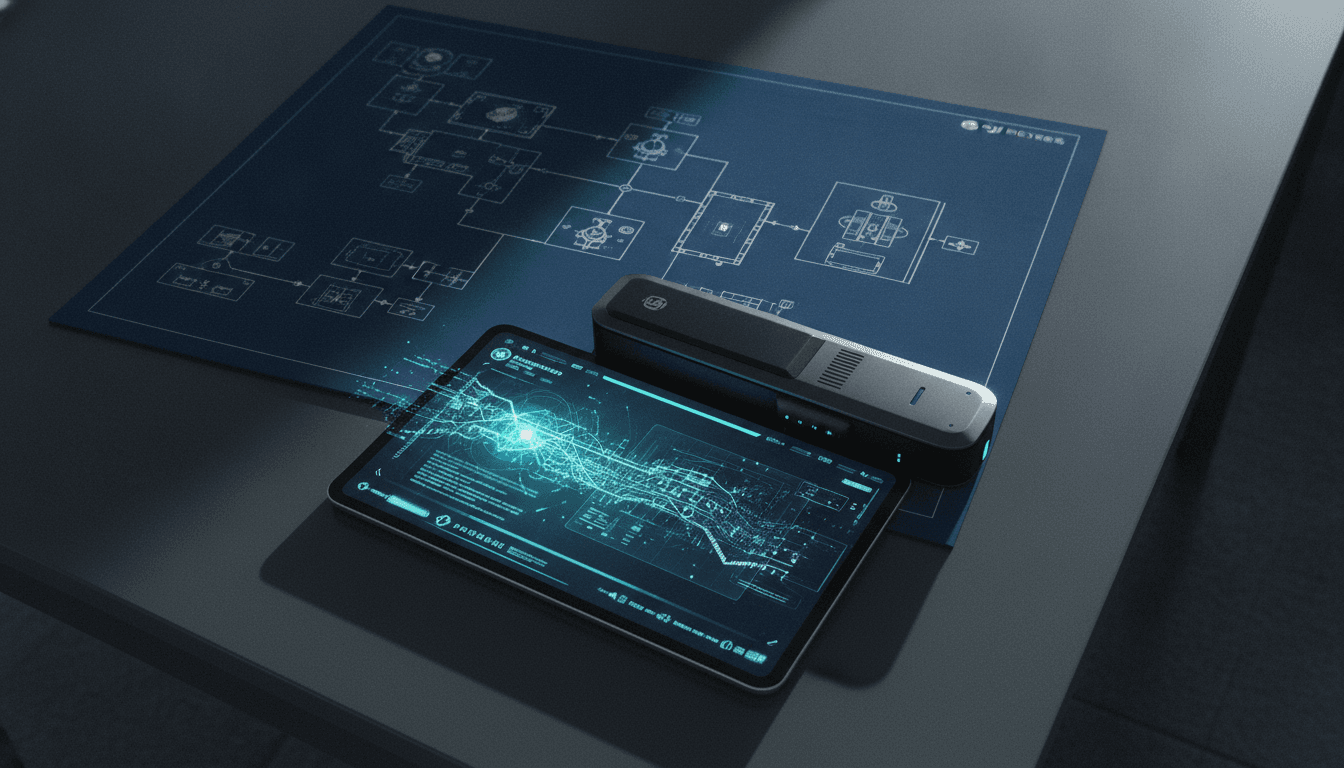
The rationale behind this merger underscores a critical shift in modern defense paradigms. Drones, increasingly reliant on sophisticated software, complex communication links, and networked systems, present a dual threat: cyber vulnerabilities and physical airspace incursions. This growing overlap necessitates an integrated defense strategy. The newly combined platform is poised to offer a unified system to its clientele, encompassing comprehensive cyber threat detection, precise drone detection and tracking, a suite of electronic and kinetic countermeasures, and a cohesive shared command-and-control layer. This holistic approach ensures that customers – governments, energy operators, and critical infrastructure owners – face one integrated threat surface, addressed by one accountable partner.
“Today’s announcement closes the gap between cyber defence and physical airspace defence. Our customers — governments, energy operators and critical infrastructure owners — face one threat surface, not two. Asterion’s combat record in Ukraine and the Gulf, combined with our cyber capabilities, provides one security architecture, one operating picture and one accountable partner.”
Arno Robbertse, Chief Executive Officer of Collective Defence, articulated the strategic imperative behind the acquisition, emphasizing the singular nature of modern threats.
Combat Experience Shapes Product Development
A key differentiator for the combined entity is Asterion’s extensive combat experience. Its operational deployments in Ukraine and the Middle East have provided real-world validation of its C-UAS technology. These conflicts have starkly illustrated the effectiveness of drones and, concurrently, the indispensable need for layered, resilient defenses against them. Furthermore, these engagements have highlighted that effective counter-drone systems must transcend merely neutralizing the aircraft; they must also contend with a broader spectrum of threats, including electronic warfare, GPS disruption, sophisticated communications attacks, and the growing prevalence of autonomous systems. Asterion’s systems have proven adept at detecting, classifying, and countering hostile drones, even in contested electromagnetic environments, demonstrating efficacy against advanced threats like Shahed-series loitering munitions and first-person-view (FPV) drones. The company reports contract awards exceeding €100 million, with a robust pipeline for further expansion across Europe and the Middle East.
“The very nature of war may have changed. Autonomous systems, drones, digital networks operating at machine speed, bottomless data, cyber and artificial intelligence are rewriting the economics of attack and defence. What we are seeing in Ukraine confirms a hard truth: the side that fuses electronic, cyber and kinetic effects into a single operating picture owns the initiative. Collective Defence and Asterion together are building precisely that capability – and they are building it now, at the speed the threat demands.”
General Sir Graeme Lamb KBE CMG DSO, former Director of UK Special Forces and Senior Advisor to Collective Defence, underscored the transformative impact of these integrated capabilities on modern warfare.
A European Defense Technology Platform
This acquisition arrives at a time when European governments are significantly increasing investment in defense technology and actively seeking to bolster domestic industrial capabilities. Initiatives such as the European Commission’s ReArm Europe Plan and Readiness 2030 are strategically prioritizing cybersecurity, artificial intelligence, and advanced defense systems. Luxembourg, the headquarters for Collective Defence, has also elevated its defense profile, hosting the NATO Support and Procurement Agency (NSPA) and committing to raise defense spending to 2% of GDP. Its national defense strategy explicitly champions innovation, dual-use technologies, and active participation in allied supply chains, creating an ideal environment for such a defense technology powerhouse.
Andre Pienaar, Founder and Chief Executive Officer of C5 Capital, highlighted the profound necessity of protecting both physical infrastructure and digital systems in today’s threat landscape. The strategic decision to bring cyber and counter-drone defense together within Collective Defence reflects a core mission: to defend critical assets and people from threats that increasingly blur the lines between network vulnerabilities and physical security. Achieving this as Luxembourg’s first defense unicorn, anchored within a NATO and EU member state, exemplifies the kind of sovereign capability Europe is striving to build. For the broader drone industry, this deal signals a profound shift, indicating that counter-UAS technology is no longer a standalone solution but an integral component of a larger, sophisticated security architecture encompassing cybersecurity, electronic warfare, communications resilience, and advanced command-and-control systems. As drones continue to proliferate across military and civilian operations, the ability to protect airspace and digital infrastructure through a single, integrated platform will become a cornerstone of modern defense planning. Explore more success stories in the rapidly evolving defense technology sector.
The combined might of Collective Defence and Asterion presents a formidable new player, poised to capitalize on the escalating global demand for integrated defense solutions. Their unique blend of advanced cyber and physical threat mitigation, bolstered by combat-proven expertise, positions them at the forefront of a rapidly evolving security landscape, promising robust growth and continued innovation.