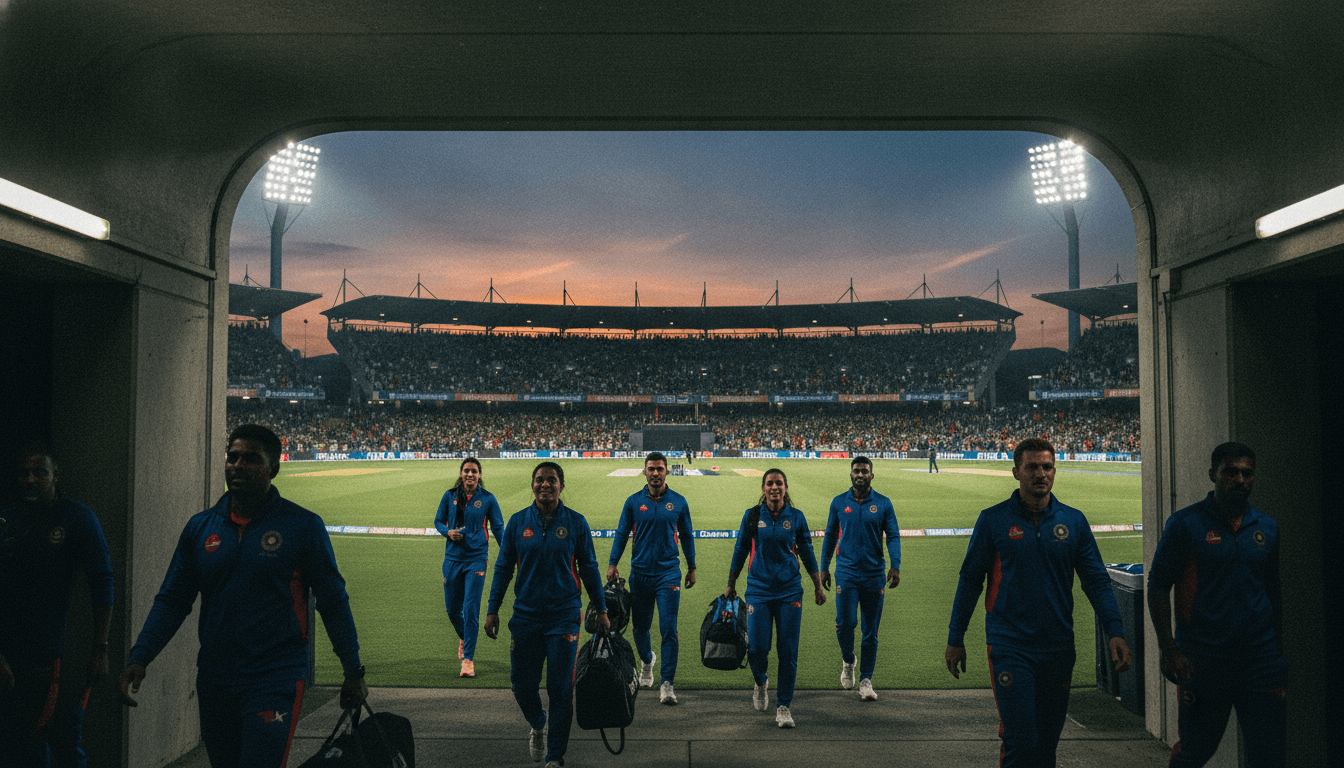
PSL expansion drives record profit for the Pakistan Cricket Board (PCB), reaching a staggering PKR 7.54 billion (approximately US$27 million) as of Friday, June 12, 2026. This unprecedented financial success underscores a pivotal moment for Pakistani cricket, reflecting robust commercial growth and a burgeoning appetite for the sport’s premier T20 league. The significant profit margin highlights the effectiveness of the PCB’s strategic decisions in scaling the Pakistan Super League (PSL) and leveraging its growing global appeal.
The record profit, announced by the PCB, is a direct result of the league’s strategic expansion and enhanced commercialization efforts. While specific details of the expansion were not outlined in the initial announcement, the financial outcome strongly suggests increased broadcast deals, sponsorship revenues, and potentially higher gate receipts or franchise fees. The approximately US$27 million profit marks a substantial leap in the PCB’s financial health, providing a solid foundation for future investments in infrastructure, player development, and further league growth. This financial injection positions the PCB to potentially embark on more ambitious projects, solidifying the PSL’s standing in the highly competitive global T20 league market.
The Business Impact of PSL Expansion
The profound financial impact of the PSL expansion drives record profit, signaling a significant shift in the economic landscape of cricket in Pakistan and beyond. This success story offers a compelling case study for other emerging cricket boards and leagues looking to monetize their assets effectively. The valuation of PSL franchises is likely to see a substantial uplift, attracting new investors and potentially leading to higher acquisition costs for stakes in teams. This positive financial performance could also influence global media rights negotiations, setting higher benchmarks for other T20 leagues in regions with similar market dynamics. The increased profitability demonstrates the commercial viability of a well-managed and strategically expanded domestic league, even in challenging economic environments.
Furthermore, this financial milestone could trigger a wave of renewed interest from international brands and sponsors looking to tap into the Pakistani market and the broader South Asian diaspora. The success of the PSL not only benefits the PCB but also creates a more vibrant ecosystem for local businesses, talent agencies, and sports marketing firms. This robust financial performance could also pave the way for more innovative commercial partnerships, including digital rights and fan engagement platforms, further diversifying revenue streams for the league and its stakeholders. The league’s growing financial muscle also enhances its ability to attract top international players, further boosting its on-field quality and global viewership.
“The substantial profit from the PSL expansion illustrates the immense commercial potential within cricket’s emerging markets, setting a new benchmark for league profitability in the region.”
Historically, the PCB has navigated various financial challenges, often relying heavily on international tours and ICC distributions. The consistent growth of the PSL, culminating in this record profit, marks a strategic pivot towards self-sufficiency and the creation of a sustainable domestic revenue engine. Previous commercial deals, while significant, did not yield profits of this magnitude, underscoring the success of recent strategic adjustments. The global trend towards franchise-based T20 leagues has seen valuations soar in established markets like India’s IPL, and the PSL’s current trajectory suggests it is following a similar upward curve, albeit within its unique market context. This financial success story is also set against a backdrop of increasing investment in sports infrastructure and grassroots development across Pakistan, indicating a holistic approach to cricket’s growth.
What’s Next for Pakistani Cricket
Looking ahead, the PCB is expected to outline further commercial growth strategies, building on the momentum generated by the PSL’s success. This could include exploring opportunities for further league expansion, potentially adding more teams or extending the tournament window, provided it does not conflict with international cricket calendars. There might also be a focus on enhancing fan experience through technological innovations, improving stadium facilities, and expanding the league’s digital footprint. The increased profitability also provides the PCB with greater financial flexibility to invest in high-performance centers, coaching development, and women’s cricket, fostering a more inclusive and robust cricketing ecosystem. Future market predictions suggest that if the current growth trajectory continues, the PSL could soon rival some of the top global T20 leagues in terms of valuation and commercial appeal, drawing even greater international attention and investment. The PCB’s strategic roadmap will be crucial in sustaining this growth and capitalizing on the league’s enhanced financial standing. This includes careful management of player salaries, ensuring competitive balance, and maintaining strong governance practices to safeguard the league’s integrity and long-term viability. Related sport articles often highlight the importance of balancing commercial success with sporting integrity, a challenge the PCB will undoubtedly face as it navigates this period of rapid growth.
The record PKR 7.54 billion profit from the PSL expansion drives record profit and signifies a landmark achievement for the Pakistan Cricket Board, transforming its financial outlook and positioning the PSL as a major player in the global T20 landscape. This success provides a blueprint for sustainable growth, demonstrating the power of strategic commercialization in sports. For the broader sports industry, it underscores the continued appetite for well-packaged, high-quality sporting entertainment, particularly in cricket’s passionate markets. This financial triumph is not just a win for Pakistani cricket but a testament to the enduring commercial appeal of the sport globally, promising a more financially robust and competitive future for the game.