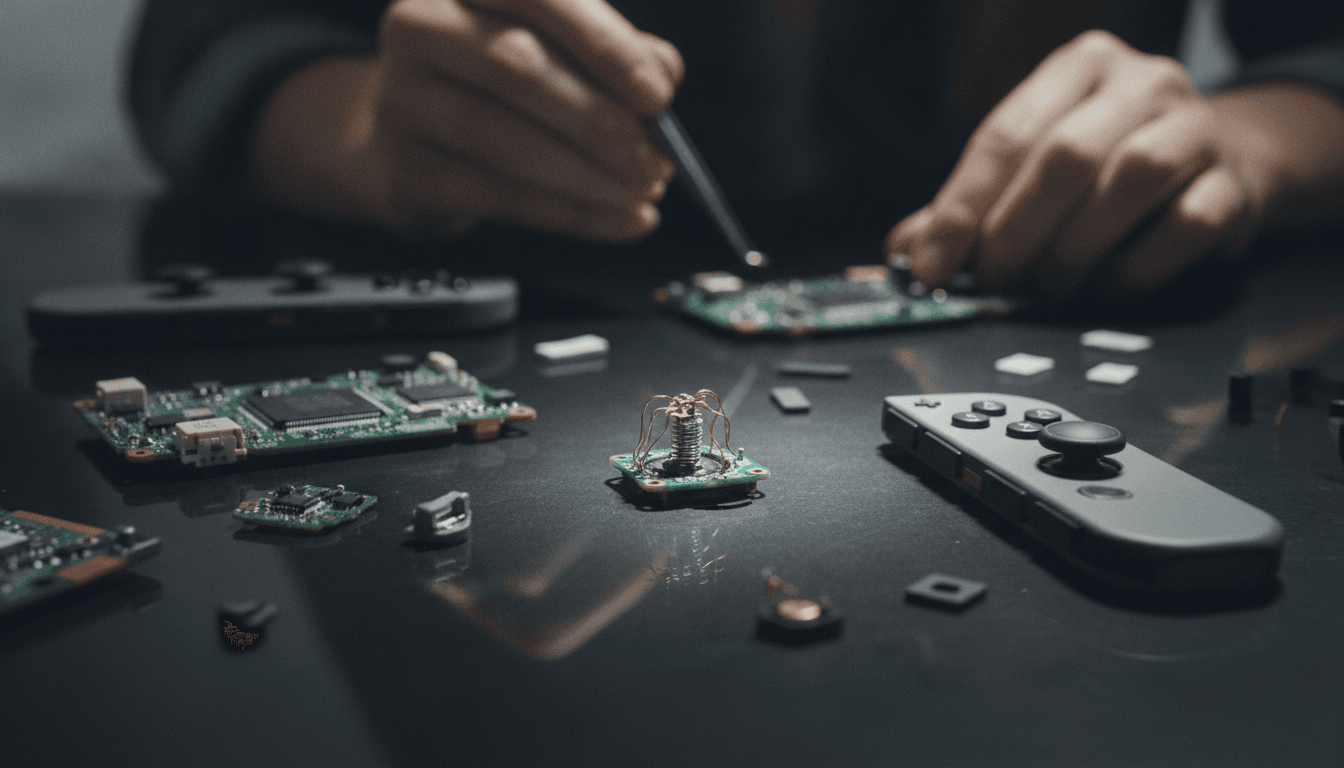
Nintendo of Europe has consented to a significant €35 million penalty over Joy-Con drift issues, stemming from a prolonged investigation by French authorities into alleged misleading practices. This substantial fine, imposed by France’s General Directorate for Competition, Consumer Affairs and Fraud Control (DGCCRF), marks a critical moment for Nintendo, highlighting the financial ramifications of product defects and consumer protection laws within the gaming industry’s ecosystem.
The Business Impact of Joy-Con Drift Issues
The €35 million fine against Nintendo of Europe is a direct consequence of a 2020 complaint by French consumer group UFC-Que Choisir. The DGCCRF’s investigation uncovered that Nintendo was aware of the persistent Joy-Con drift issues as early as 2018 but allegedly failed to disclose these problems to consumers until two years later. This lack of transparency, according to the DGCCRF, led customers to purchase unnecessary replacement controllers, creating a revenue stream from a known product defect. While Nintendo of Europe denies accusations of misleading the public, stating their settlement is a resolution to a legal matter rather than an admission of guilt, the financial penalty underscores the serious view regulators take on consumer communication surrounding product quality.
The ‘planned obsolescence’ accusation, a term UFC-Que Choisir previously leveled against Nintendo in 2019, refers to the deliberate design of products with a limited useful life, compelling consumers to replace them sooner. This practice, if proven, represents a significant ethical and financial challenge for any hardware manufacturer. For Nintendo, a company built on a reputation for quality and family-friendly entertainment, such claims can erode consumer trust and ultimately impact long-term sales and brand loyalty.
“The €35 million penalty serves as a potent reminder that even industry giants are subject to stringent consumer protection regulations, particularly concerning product longevity and transparency.”
Market Repercussions and Industry Context
This European settlement is not an isolated incident for Nintendo regarding Joy-Con drift issues. The company has faced similar legal challenges globally. In the US, a class-action lawsuit filed in 2019 concerning the same drift defects was ultimately dismissed in 2024. However, the sheer volume of complaints globally, including a report from UK consumer advocate Which indicating that over 40% of original-model Switch Joy-Con controllers experienced drift problems, paints a clear picture of a widespread technical flaw that plagued a flagship product. While the direct impact on Nintendo’s stock price following this specific fine is yet to be fully assessed, persistent legal battles and public scrutiny over product quality can cast a shadow on investor confidence and future hardware launches. The broader gaming hardware market is highly competitive, and issues of durability can quickly become a differentiator for consumers.
The gaming industry has seen increasing scrutiny over hardware reliability and post-purchase support. As consoles become more sophisticated and expensive, consumers expect robust performance and longevity. Companies like Sony and Microsoft, while not immune to hardware issues, often face similar pressures to address defects promptly and transparently. The Nintendo of Europe settlement emphasizes the growing power of consumer advocacy groups and regulatory bodies in holding major corporations accountable for product quality and disclosure practices.
What’s Next for Nintendo and Consumer Protection
Moving forward, this €35 million penalty will likely prompt Nintendo to re-evaluate its product testing, disclosure policies, and customer service protocols across all its markets, especially concerning potential Joy-Con drift issues in future iterations or new hardware. While the Switch has been an undeniable commercial success, selling millions of units worldwide, the ongoing saga of the Joy-Con drift issues has been a persistent PR challenge. Investors and analysts will be watching closely for any changes in Nintendo’s approach to hardware design and consumer communication, particularly as rumors of a potential next-generation console continue to circulate. Ensuring product integrity and clear communication will be paramount for maintaining market share and consumer trust in a rapidly evolving gaming landscape. Read more about gaming industry legal challenges.
The resolution of this European case underscores a broader trend towards heightened consumer protection in the digital and hardware sectors. Companies that fail to address known product defects or communicate transparently with their customer base risk not only significant financial penalties but also long-term reputational damage that can be far more costly than any single fine. For Nintendo, a company with a rich history and a loyal fanbase, navigating these challenges effectively will be crucial for its continued dominance in the global gaming market.