AMSTERDAM, NETHERLANDS — In a significant development for European cybersecurity, Youssef Z., a 57-year-old Amsterdam-based business consultant, is currently under investigation by the Dutch Fiscal Information and Investigation Service (FIOD) for allegedly facilitating cyberattacks and violating European Union sanctions. The probe centers on his company, WorkTitans B.V., which is suspected of acting as a front for a sanctioned web-hosting provider linked to Russian intelligence.
The charges against Youssef Z. stem from allegations that he directly or indirectly made economic resources available to entities sanctioned by the EU. Specifically, Dutch prosecutors allege that WorkTitans B.V. was established as a shell company to provide continued access to European hosting infrastructure for Stark Industries Solutions Ltd., a UK-registered firm sanctioned on May 20, 2025. Stark Industries Solutions was designated due to its connections with Russian intelligence agencies and its role in enabling DDoS attacks, influence operations, and disinformation campaigns across Europe.
The mechanism of the alleged scheme involved the transfer of Stark Industries’ technical infrastructure to WorkTitans B.V. shortly after the EU sanctions were imposed. This strategic move, occurring around May 29, 2025, allowed Stark Industries to bypass the restrictions and continue its operations under a new legal and network entity. The impact of these facilitated cyberattacks is substantial, targeting European entities, including Danish municipal elections and government bodies. The pro-Russian hacktivist group NoName057(16), known for its sustained DDoS campaigns against European government agencies and critical infrastructure, has been linked to attack traffic originating from WorkTitans and MIRhosting, a company co-owned by Youssef Z. and Andrey Nesterenko.
Youssef Z., identified as Youssef Zinad, is a business consultant and owner of WorkTitans B.V. While WorkTitans B.V. was ostensibly registered as a recruitment firm, its operations were clearly in the hosting sector, a significant red flag for investigators. Prior to his involvement with WorkTitans, Zinad had worked at MIRhosting, another entity implicated in the current investigation.
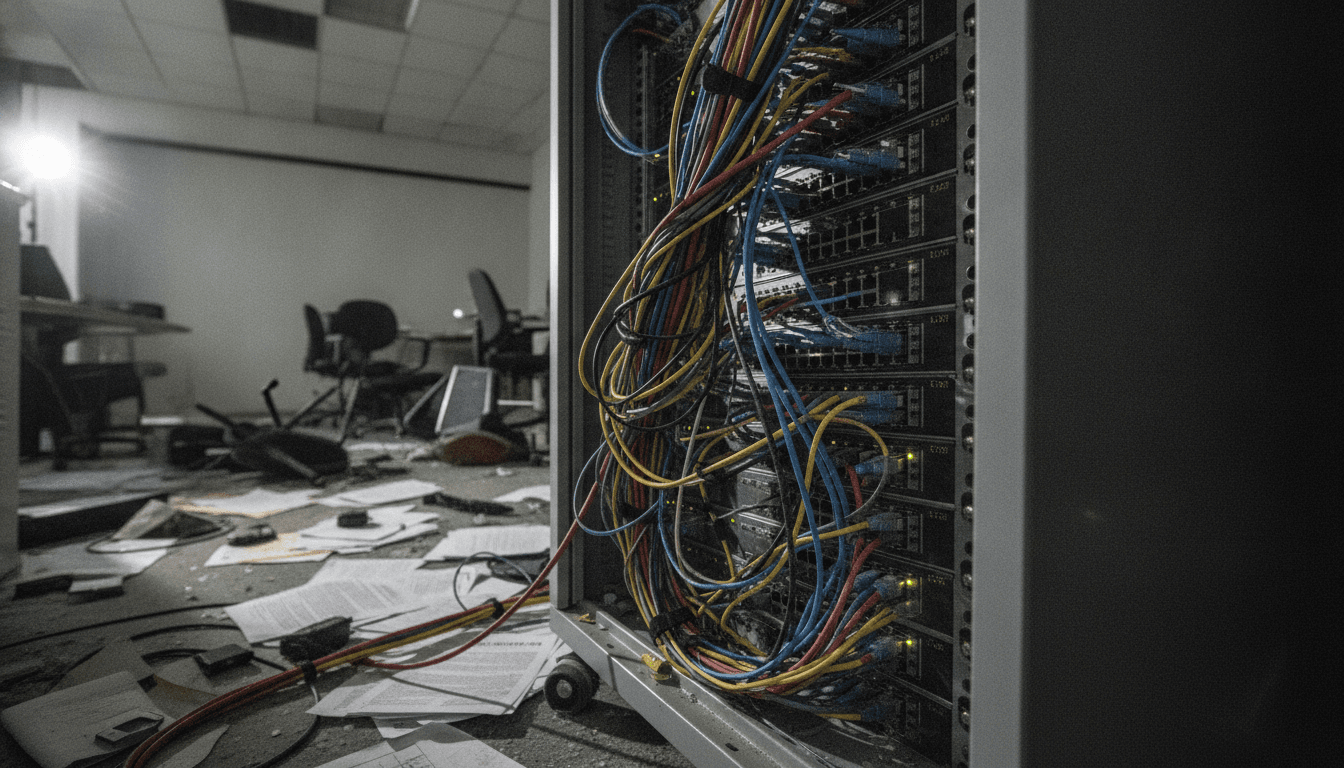
The investigation by the Dutch financial crime agency FIOD uncovered the alleged fraud by meticulously tracking the transfer of IP prefixes and infrastructure from the sanctioned Stark Industries Solutions Ltd. to WorkTitans B.V. Internal data reviewed by the Dutch newspaper de Volkskrant further solidified the connection, identifying WorkTitans and MIRhosting as key networks in pro-Russian cyberattacks on Danish government bodies between November 13-19, 2025, during the country’s municipal elections. Youssef Zinad and Andrey Nesterenko were arrested on May 18, 2026, and FIOD investigators subsequently seized over 800 servers in a coordinated operation targeting WorkTitans B.V. on May 22, 2026. Related fraud investigations are ongoing across the continent.
“The sophisticated nature of this alleged sanctions evasion highlights the persistent challenges in combating cyber warfare and economic circumvention. Our focus remains on dismantling networks that enable hostile state-sponsored activities.”
While Youssef Z. has been released, he remains a key suspect in the ongoing investigation. Authorities have seized laptops, telephones, and the aforementioned servers as part of their evidence collection. No specific court dates have been set, and the potential sentence, should he be convicted, is yet to be determined. The investigation is expected to delve deeper into the full extent of the network and any other individuals involved.
This case serves as a stark reminder for businesses and individuals to remain vigilant against shell companies and deceptive business practices. Red flags such as a business operating outside its stated purpose, minimal website functionality, and a history of suspicious associations should trigger immediate scrutiny. Companies should conduct thorough due diligence on all partners and service providers, especially those with connections to high-risk regions or ambiguous corporate structures, to avoid inadvertently supporting illicit activities or violating international sanctions. The Financial Standard will continue to monitor this developing story for further updates.