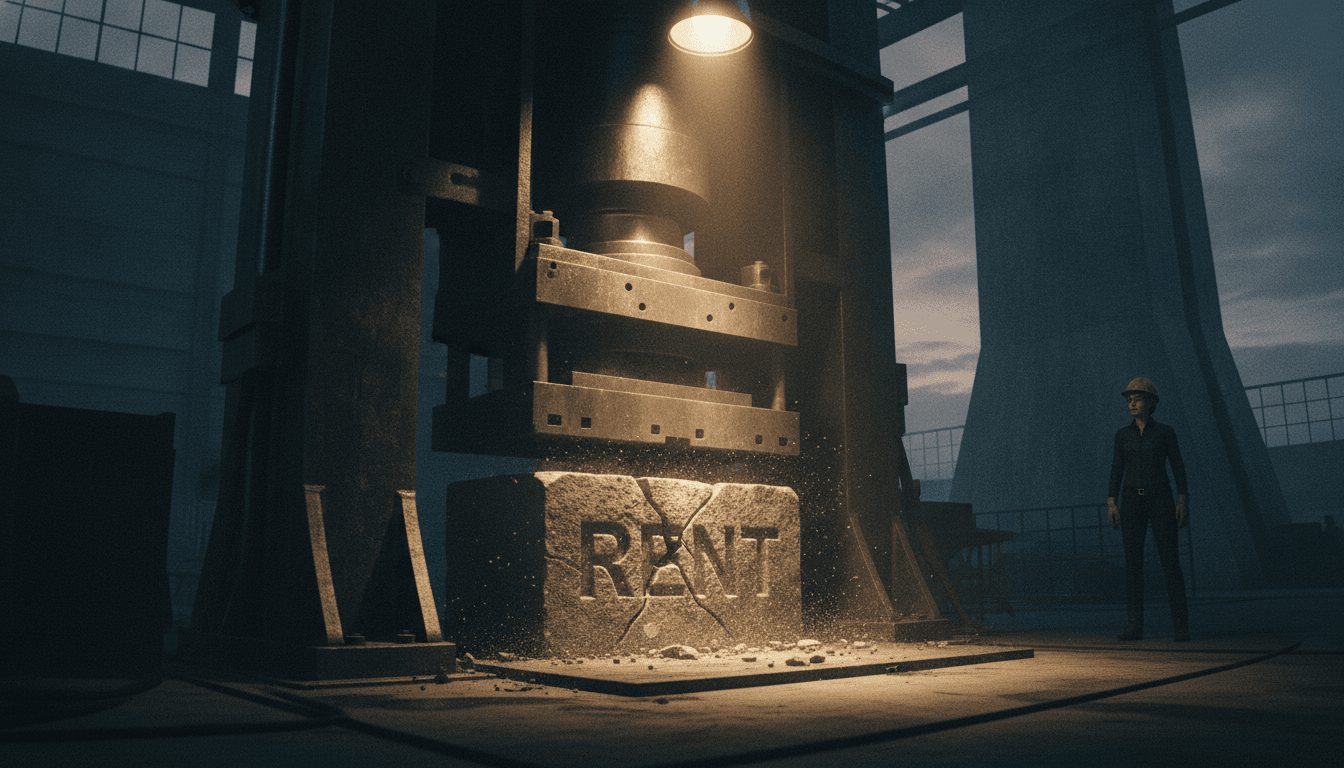
The UK rental market is experiencing an intensifying rent squeeze as landlord supply falls, according to the latest RICS UK Residential Market Survey for May. This critical imbalance, driven by rising tenant demand and a declining pool of available rental properties, is pushing rent expectations to a one-year high, signaling continued pressure on renters across the nation.
The Royal Institution of Chartered Surveyors (RICS) report, released on June 11, 2026, reveals a net balance of +14% for tenant demand, while new landlord instructions registered a deeply negative -28%. This stark divergence has propelled rent expectations to +36%, a figure not seen since May of the previous year. The data underscores a challenging environment for tenants, who face fierce competition for a shrinking supply of homes.
The Story: Supply-Demand Imbalance Deepens
The core of the current crisis lies in the widening gap between tenant demand and landlord supply. While tenant interest continues to grow, landlords are increasingly withdrawing from the market. This trend is not new but appears to be accelerating, with significant implications for affordability and availability.
House prices, meanwhile, continued their downward trend, with the net balance remaining at -35% for the second consecutive month. While Northern Ireland bucked this trend with reported price growth, regions like the South East and East Anglia experienced stronger downward pressure. Near-term sales expectations showed a slight improvement, moving to -25% from previous readings, and over 12 months, sales expectations entered neutral territory at +2%. However, price expectations for the next three months remained weak, with -45% of respondents anticipating further declines.
Tarrant Parsons, RICS’s head of market research and analysis, commented on the broader market sentiment, stating, “The latest survey data suggest the recent downturn in activity may be beginning to stabilise, with several key indicators broadly holding steady. However, as they remain in negative territory, it would be premature to interpret this as the start of a recovery.” He also highlighted the lingering uncertainty around interest rates: “The decline in CPI inflation to 2.8% in April provided some temporary relief, but the Bank of England has signalled that further inflationary pressures are likely as higher energy costs continue to pass through. Against this backdrop, the prospect of further rate rises cannot be dismissed, and until there is greater clarity, market sentiment is likely to remain fragile.”
Impact Analysis: The Rental Market Squeeze
The implications of this supply-demand dynamic are profound for the broader real estate landscape, particularly for the rental sector. As landlord supply falls, the competitive pressure on tenants intensifies, leading directly to higher rents. This situation is exacerbated by government interventions, which some industry experts argue have inadvertently worsened conditions for renters.
Tom Bill, head of UK residential research at Knight Frank, observed,
“The Renters’ Rights Act has led to tight supply in the lettings market as more landlords sell up, which has ultimately made life tougher for tenants by pushing rents higher. The prospect of stricter regulations around energy performance certificates means other landlords are considering doing the same, which will keep upwards pressure on rents. It highlights the unintended consequences of government interventions in the housing market.”
Echoing this sentiment, Tomer Aboody, director of specialist lender MT Finance, pointed to the impact of fiscal policies. “As the Chancellor targets landlords further with higher stamp duty for those buying second homes, would-be tenants are seeing rents increase as a consequence of lower supply. This demonstrates that further punishing landlords has the opposite impact to what the market actually needs. Until there comes a time when the government doesn’t regard landlords as the enemy, the fallout will be felt by tenants.”
The sales market also remains weak, with new buyer enquiries flatlining at -34% in May, unchanged from April. Agreed sales held steady at -37%, and completion times lengthened to 21.5 weeks – the longest since 2017. This suggests a broader slowdown, but the rental market’s specific pressures stand out.
Context & Background: A Decade of Disincentives
The current challenges facing the rental market are not isolated incidents but rather the culmination of years of policy shifts and economic pressures. Since 2016, changes such as Section 24, which curtailed mortgage interest relief for landlords, have significantly impacted the profitability of buy-to-let investments. This, coupled with increasing regulatory burdens and the prospect of further measures like stricter Energy Performance Certificate (EPC) requirements, has prompted a notable exodus of landlords from the private rented sector.
One commenter on Property118.com, ‘Recardo’, noted, “I had 6 family rental properties in 2016 and started to sell after section 24. This effectively meant having to pay tax on the mortgages as if it was an income. More and more regulations with no help from councils to evict bad tenants. All properties sold by last year as things were looking bad for small decent landlord.” This anecdotal evidence supports the broader RICS findings that landlord supply falls have been a long-term trend.
The consequence of this sustained reduction in rental stock is a tightening market for tenants. With fewer properties available, competition intensifies, driving up rental prices at a time when many households are already grappling with broader cost-of-living increases. This dynamic creates a vicious cycle where policy aimed at improving tenant rights or housing quality inadvertently reduces options and affordability for the very people it seeks to help. For more context on evolving housing policies, see our analysis of recent real estate legislation.
What’s Next: Fragile Sentiment and Further Squeeze
Looking ahead, the outlook for the UK rental market remains precarious. The RICS survey indicates that while the downturn in overall activity might be stabilising, a recovery is far from certain. The Bank of England’s cautious stance on inflation and potential future rate rises will continue to cast a shadow over market sentiment, affecting both homeowners and landlords.
For tenants, the immediate future points to a continued rent squeeze. The persistent decline in landlord instructions, coupled with robust tenant demand, suggests that rental price growth is likely to remain strong. Dror Avital of GalimAI highlights that the -28% instructions reading likely understates future rent pressure, as homes sold by leveraged landlords rarely re-enter the rental market. This structural shift in the housing stock will ensure that the imbalance persists, potentially for several years.
The government faces a delicate balancing act: addressing housing affordability and tenant welfare without further alienating private landlords, who provide a significant portion of the UK’s rental housing. Without a coordinated strategy that encourages investment in the private rented sector while also promoting new build supply, the current pressures on tenants are unlikely to abate.
Key Takeaway: The Unintended Consequences of Policy
The critical takeaway from the latest RICS report is the tangible impact of policy decisions on the delicate balance of the housing market. While legislative efforts often aim to protect tenants and improve housing standards, the consistent reduction in landlord supply, exacerbated by measures like the Renters’ Rights Act and historical tax changes, has created an environment where the very people meant to be helped face escalating rents and fewer choices. The ongoing rent squeeze is a clear illustration of how well-intentioned interventions can lead to significant unintended consequences, demanding a more holistic and nuanced approach to housing policy in the UK.