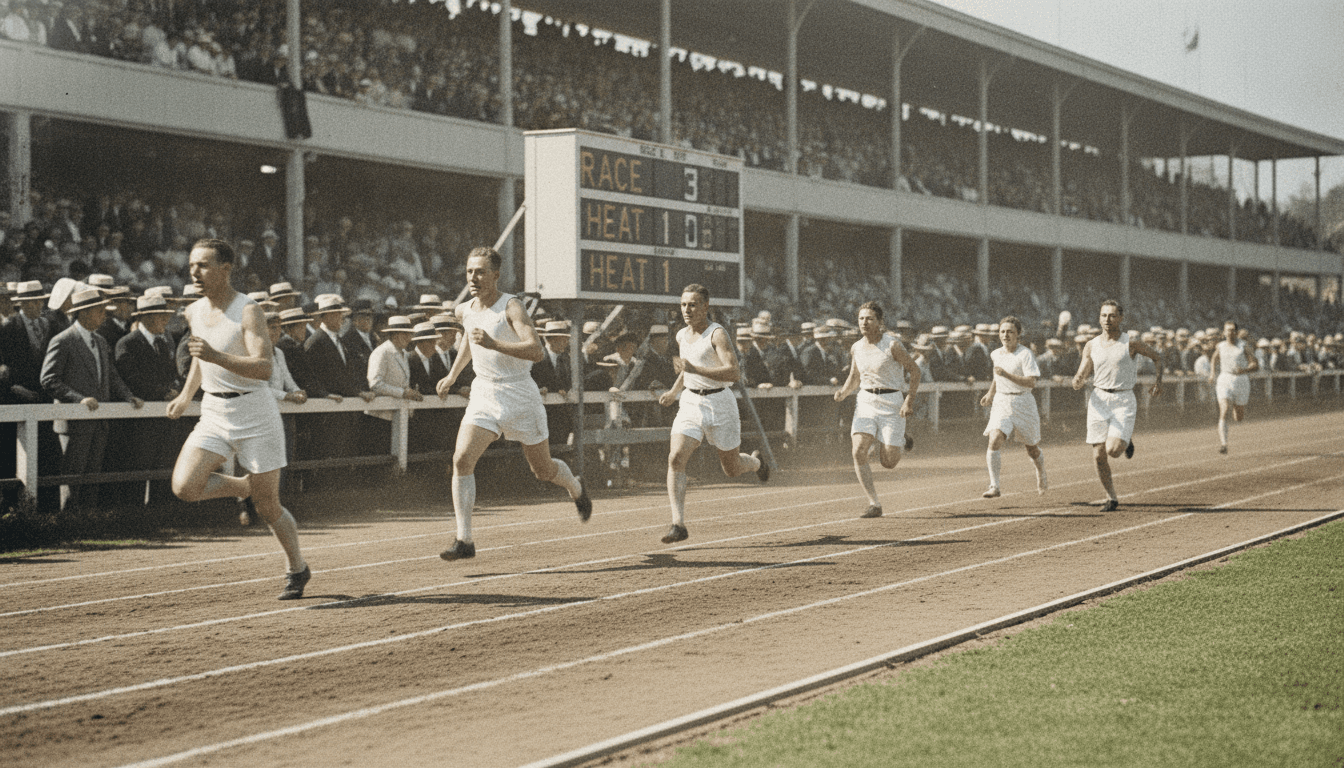
Exploring financial lessons from Chariots of Fire reveals a narrative rich with themes of determination, strategic planning, and the pursuit of excellence, all of which hold significant relevance for investors and business leaders today. The 1981 Academy Award-winning film, recently featured on Naked Capitalism’s ‘Sunday Morning Movie’ series, transcends its historical sports drama genre to offer timeless insights into overcoming adversity and achieving ambitious goals – principles fundamental to robust financial strategy.
The Enduring Appeal of Chariots of Fire
Hugh Hudson’s directorial debut, Chariots of Fire, is celebrated for its breathtaking visuals and meticulous recreation of early 20th-century aristocratic England and the 1924 Paris Olympics. The film centers on two British Olympic runners, Harold Abrahams and Eric Liddell, whose journeys are propelled by contrasting motivations rooted in their religious identities and social standings. Abrahams, a Jewish man from a working-class background, faces overt bigotry as he strives for acceptance and victory at Cambridge and on the world stage. Liddell, a devout Scottish missionary, runs to honor God, viewing his athletic gifts as divine. Their separate paths converge in a powerful testament to individual integrity and supreme determination.
“Visually breathtaking, with each frame mimicking a grand painting, and technically crafted with serene precision and care… Chariots of Fire is absolutely sublime and a masterful work of artistic historical cinema.”
The narrative skillfully intertwines their personal struggles with the competitive spirit of the Olympics, illustrating how deep-seated convictions can fuel extraordinary achievement. For finance professionals, this narrative underscores the importance of a clear mission and unwavering commitment in navigating volatile markets and complex investment landscapes. Just as these athletes trained relentlessly, financial success often hinges on consistent discipline and a long-term vision.
Strategic Planning and Performance in Finance
The film’s depiction of the runners’ training regimens and competitive strategies offers a compelling analogy for financial planning. Both Abrahams and Liddell meticulously prepare, understanding that success is a culmination of sustained effort and strategic execution. In the financial world, this translates to thorough market research, diversified portfolios, and adaptability in response to economic shifts. The ‘race’ for financial freedom or market dominance is not merely about raw talent but about the disciplined application of knowledge and strategy.
Furthermore, the film highlights the role of individual integrity, a value that resonates deeply within the financial sector. The ‘snobby establishment’ depicted in the film, while not always portrayed favorably, ultimately witnesses the triumph of these ‘social outsiders’ through sheer merit and dedication. This serves as a powerful reminder that in finance, ethical conduct and genuine skill ultimately command respect and yield sustainable success, even in the face of systemic biases or challenges.
Beyond the Finish Line: Legacy and Inspiration
While the film itself may evoke varied personal reactions, its core message of perseverance against odds remains universally inspiring. The bonus documentary, ‘The Real Chariots of Fire,’ further enriches this narrative by delving into the actual lives of Eric Liddell and Harold Abrahams, revealing the profound historical context behind their Olympic triumphs. Understanding the true stories behind such cinematic epics can provide deeper insights into the human elements that drive success, whether on the track or in the trading room.
Ultimately, the financial lessons from Chariots of Fire are about more than just winning; they are about the journey, the struggles, and the unwavering belief in one’s capacity to achieve. For anyone in finance, the film serves as a powerful metaphor for the dedication required to navigate economic challenges and build lasting value.