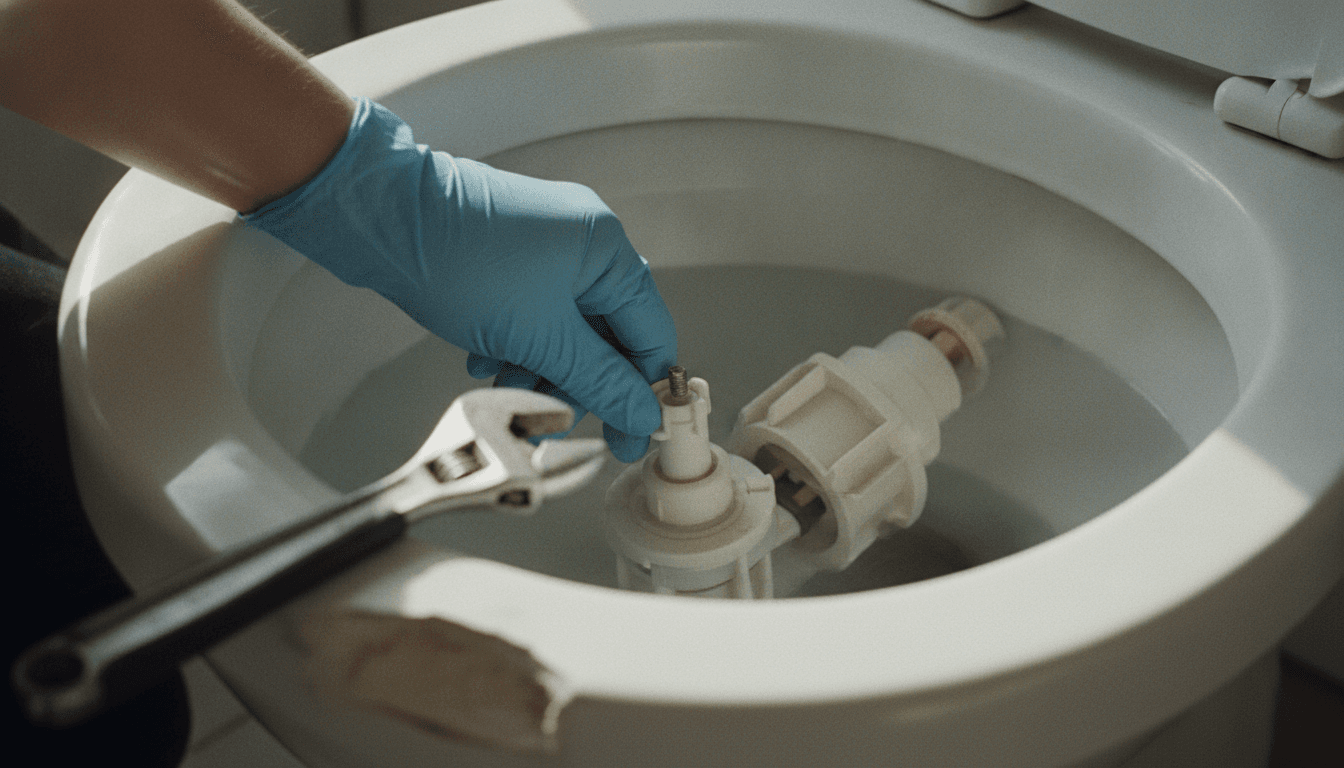
Cistern repair charges are at the heart of a recent consumer dilemma, as a homeowner questions whether to pay a second fee to a plumber who, after fixing one toilet issue, seemingly created another. The initial problem involved a constantly refilling and hissing toilet cistern, prompting a $160 diagnostic and repair fee. While the continuous water flow was resolved, a new malfunction emerged: the homeowner now has to manually reset the cistern after every flush.
Navigating Unexpected Cistern Repair Charges
This situation mirrors a common frustration for consumers: paying for a service that doesn’t fully resolve the underlying issue or, worse, introduces a new one. In this instance, the plumbing company sent a technician who insisted the new problem was non-existent. However, the operational reality for the homeowner suggests otherwise. Most fair-minded customers would consider a job incomplete if the original functionality isn’t restored, or if new problems arise immediately after the service.
The dilemma for the homeowner is whether to challenge the plumbing company’s demand for another $160 visit. While components can wear out and lead to cascading issues, the immediate succession of the new problem following the repair raises questions about the completeness or efficacy of the initial service. It’s crucial to distinguish between an entirely new, unrelated fault and a direct consequence or oversight from the previous work.
“Most customers would regard the job as incomplete rather than fixed if a new issue arises immediately after a repair.”
When faced with such a scenario, consumers should advocate for themselves. A reasonable first step is to communicate clearly with the plumbing company, emphasizing that the toilet still does not function properly after their intervention. The focus should be on the unresolved functionality rather than directly accusing the plumber of causing the new issue, which can be difficult to prove. Given the direct timeline, requesting a follow-up visit without an additional diagnostic fee is a justifiable position.
Understanding Diagnostic Fees in Plumbing Services
Service companies, including plumbers, often charge diagnostic or investigation fees to cover the time, labor, and expertise required to identify a problem. This flat rate aims to protect both the company from endless free visits and the customer from over-inflated hourly rates for complex diagnoses. However, these fees typically anticipate a path to resolution, not a partial fix followed by another charge for a related problem.
For a related Finance news perspective, consumers should consider the context of the initial charge. Replacing a toilet cistern can cost significantly more, ranging from $160 to $500. While the initial $160 was at the lower end, demanding another $160 for what appears to be an incomplete repair or a directly consequential issue seems disproportionate. If the company remains unyielding, seeking a second opinion from another plumber might clarify whether the new problem is truly separate or a direct result of the previous work, helping to justify or contest further cistern repair charges.
When to Seek a Second Opinion on Toilet Repairs
If the plumbing company refuses to revisit the issue under the original fee, a second opinion becomes invaluable. A different plumber might identify the root cause or offer a solution that the initial company overlooked. This approach empowers the homeowner to make an informed decision, potentially saving money and ensuring the toilet functions correctly. Businesses thrive on repeat custom, which is often earned by addressing customer concerns satisfactorily, especially when initial repairs fall short.
Ultimately, while plumbing problems can be complex, and components do wear out, a service should aim to restore full functionality. When a repair leaves a new, immediate issue, consumers have a right to question additional fees and seek a complete resolution. Clear communication and a willingness to explore alternative solutions are key to navigating these financial and practical challenges.