A major UK Japan investment deal, valued at an impressive £18 billion, is poised to redefine economic cooperation between the two nations, signaling a profound deepening of their strategic partnership. Announced ahead of a pivotal meeting between UK Prime Minister Keir Starmer and Japanese Prime Minister Sanae Takaichi, this agreement is projected to generate tens of thousands of jobs and inject significant momentum into key sectors across the United Kingdom.
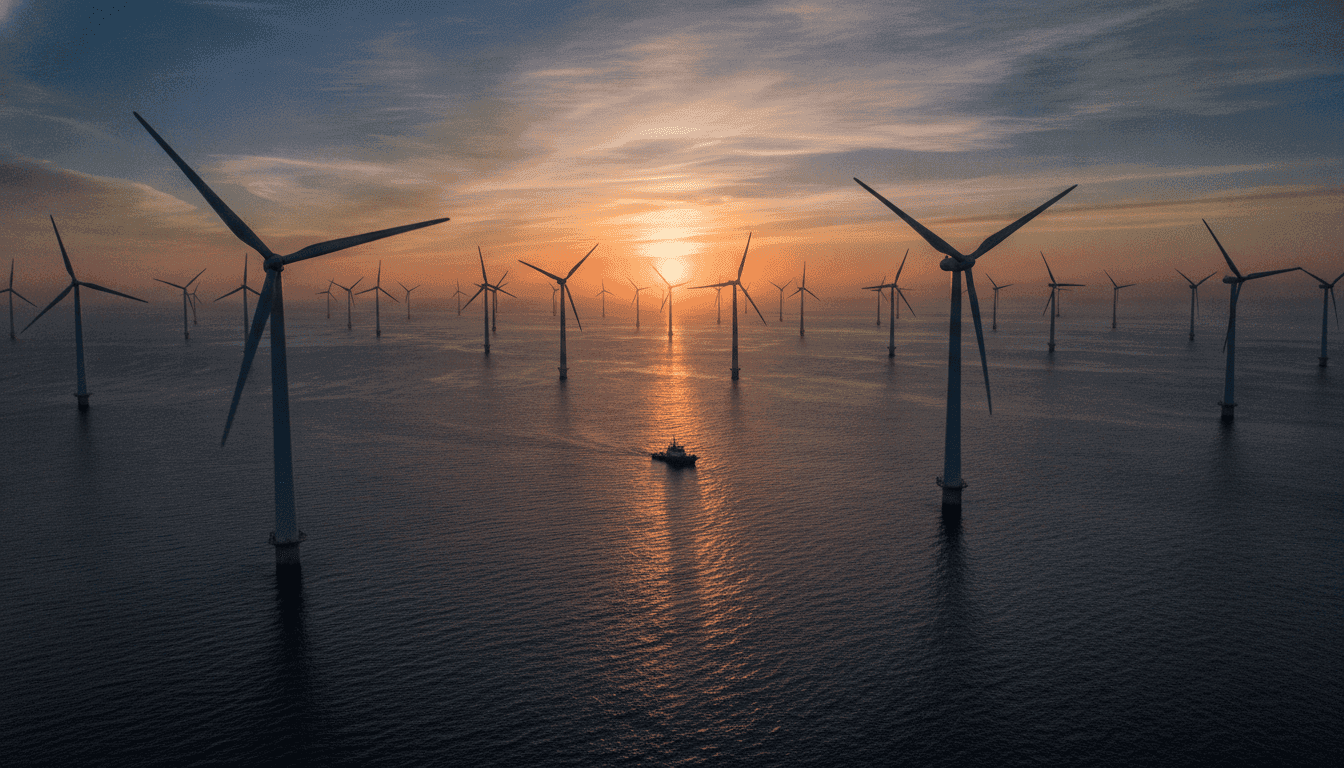
The monumental £18 billion (approximately $24 billion) commitment is strategically channeled into three primary areas: clean energy, infrastructure, and financial services. A substantial portion, up to £9 billion, is earmarked for the development of 5.9 gigawatts of floating offshore wind projects. These ambitious ventures, concentrated particularly in Scotland and the Celtic Sea, hold the potential to power an estimated 8 million homes, underscoring a significant leap towards the UK’s clean energy ambitions.
Beyond renewable power, Japan has committed over £9 billion to a five-year investment pipeline targeting UK infrastructure and financial services. This dual focus highlights a comprehensive approach to bolstering the British economy, from foundational physical assets to its globally recognized financial hub. Complementing these financial injections is the launch of a new technology partnership, poised to drive collaboration in cutting-edge fields such as Artificial Intelligence (AI), semiconductors, and quantum computing. A notable component of this partnership involves collaboration between the UK Semiconductor Centre and Rapidus, Japan’s advanced 2nm semiconductor manufacturing facility, aiming to establish a direct pathway for UK semiconductor manufacturing. This move is critical for strengthening the resilience of the UK’s burgeoning semiconductor sector.
Several corporate heavyweights are also set to deepen their engagement. Hitachi Energy, Rolls-Royce, and Eisai are expected to announce separate investments and collaborations spanning power grid expansion, next-generation nuclear technology, and life sciences. Rolls-Royce, for instance, will work directly with Japan’s Atomic Energy Agency on advanced nuclear solutions. The UK government anticipates that this extensive agreement will support the creation of tens of thousands of jobs across the offshore wind, infrastructure, and financial services sectors, providing a much-needed boost to employment and economic activity.
The Strategic Imperative Behind the UK Japan Investment Deal
This substantial investment deal is not merely transactional; it represents a strategic alignment between two G7 economies and close security partners. For the UK, it’s a clear signal of intent to attract significant foreign investment into its burgeoning clean energy sector, aligning directly with long-term energy security goals and ambitious renewable power generation targets. Prime Minister Starmer emphasized that the partnership will advance collaboration on technology, research, and industry, cementing the two nations’ roles as global leaders in innovation.
From Japan’s perspective, the increased overseas investment in energy and infrastructure projects is a calculated move to secure long-term growth opportunities and actively support the global energy transition. This mutual benefit forms the bedrock of an enduring economic relationship, building upon existing frameworks like the Comprehensive Economic Partnership Agreement (CEPA), signed in 2020. CEPA, hailed as the UK’s first post-Brexit trade deal as an independent trading nation, laid the groundwork for this deeper economic engagement and was seen as a crucial stepping stone to the UK’s accession to the Comprehensive and Progressive Agreement for Trans-Pacific Partnership (CPTPP), of which Japan is a prominent member. For more trending stories, visit our news section.
“This partnership is a testament to the enduring bond between the UK and Japan, driving innovation and sustainable growth across critical sectors for decades to come.”
The market impact of this deal is expected to be profound, particularly in the British economy’s clean energy and advanced technology sectors. The substantial focus on offshore wind projects aligns perfectly with the global surge in renewable energy spending, driven by climate targets and the imperative to reduce reliance on fossil fuels. The technology partnership, encompassing AI, semiconductors, and quantum computing, is designed to leverage the UK’s strengths in R&D and software with Japan’s renowned expertise in advanced manufacturing. This synergy is viewed as crucial for fortifying the UK’s semiconductor sector against future disruptions.
Future Horizons and Economic Resilience
While the immediate economic impact of such large-scale investments can take time to fully materialize, the overarching sentiment among experts is overwhelmingly positive. This UK Japan investment deal represents a significant vote of confidence in the UK economy from Japanese investors, arriving at a time when the British economy has faced various challenges. The long-term benefits are projected to include sustained job creation, enhanced technological capabilities, and a more resilient energy infrastructure.
As Prime Minister Starmer and Prime Minister Takaichi meet at Downing Street on Sunday, June 14, 2026, ahead of the G7 summit in France, the agreement underscores a shared vision for a future defined by innovation, sustainability, and robust international partnerships. The implementation of these projects, particularly the ambitious offshore wind farms and the semiconductor collaboration, will be closely watched as key indicators of the deal’s success. This strategic alliance is set to not only boost the economies of both nations but also to contribute significantly to global efforts in climate change mitigation and technological advancement, setting a precedent for future international economic collaborations.